
Mastering Skiing: Common Mistakes Beginners Make and How to Avoid Them
January 23, 2025 | Skiing, Skiing Tips
Skiing is an exhilarating sport that combines adventure, skill, and the beauty of snowy slopes. However, for beginners, the learning curve can be steep, and common mistakes can slow progress or even dampen the fun. Whether you’re taking your first ski trip or aiming to refine your skills, this article will help you avoid pitfalls and learn to ski with confidence.
Let’s explore the common mistakes beginner skiers make and provide actionable tips to set you on the right track for an enjoyable skiing journey.
Why Do Beginners Struggle When Learning to Ski?
For first-time skiers, the mechanics of skiing can feel counterintuitive. Navigating downhill slopes and understanding weight distribution are key challenges that beginners often find difficult. The steep learning curve is largely due to unfamiliarity with basic techniques, like carving and maintaining the correct weight on each ski.
Fear can also play a role. Many beginners lean back instinctively on a slope, but this reduces control and increases the risk of falling. With proper guidance and practice, these challenges can be overcome, transforming your learning journey into an enjoyable experience.
Most Common Mistakes Made by Beginner Skiers
Beginner skiers often make mistakes that can hinder their progress or even lead to bad habits. One of the most common issues is poor weight distribution. Placing too much weight on the back of the skis or failing to apply pressure to the outside ski during turns can reduce control and stability.
Another common mistake is widening the ski stance too much. While it might feel more stable, keeping the skis too far apart makes turning and carving harder. Beginners also tend to neglect using their ski poles effectively, which can disrupt rhythm and balance on the piste.
How to Find the Right Level of Ski Slope for Your Skill Level
Choosing the right slope is critical for beginner skiers. Starting on slopes that are too steep can feel overwhelming, while overly flat slopes might not provide enough challenge to develop key skills. Green runs are the best starting point, offering gentle gradients ideal for practicing turns and stops.
Once confidence builds, you can move to slightly steeper pistes. The goal is to progress gradually while maintaining control and learning at a comfortable pace. Ski instructors often recommend staying on beginner-friendly slopes until you’ve mastered the basics.
Role of Your Upper Body in Skiing Success
The upper body plays a vital role in maintaining balance and executing smooth turns. First-time skiers often twist their upper body excessively, disrupting the alignment needed for effective downhill skiing.
To improve, focus on keeping your torso stable and letting your legs handle the movement. This technique not only improves control but also ensures that pressure on the skis is distributed evenly. A stable upper body is essential for executing clean and carving turns.
Ski Tips for Maintaining Balance and Control
Balance is a cornerstone of successful skiing. To maintain control, it’s important to understand weight distribution and positioning. Keep your weight centered over the skis, with slight forward pressure on your ski boots. This ensures stability and allows for quick adjustments.
Avoid putting too much weight on the inside ski, as this can cause you to lose control during turns. A slight flex in your knees will also help absorb shocks and maintain agility as you navigate different terrains.
Why Leaning Back Is a Common Mistake
Leaning back is one of the most common mistakes beginners make, often due to a natural reaction to the fear of the slope. Unfortunately, this reduces control over your skis and increases the likelihood of falling.
Instead, focus on keeping your weight forward. Visualize your center of gravity staying over your skis, which will help you remain balanced. Practicing round turns on flatter slopes can boost confidence and reduce the tendency to lean back.
How Far Apart Should Your Skis Be?
Maintaining the correct distance between your skis is crucial for stability and control. Many beginners keep their skis too far apart, which makes maneuvering and turning more difficult. On the other hand, keeping your skis too close together reduces balance.
A good rule of thumb is to keep your skis shoulder-width apart. This stance provides stability without compromising agility, making it easier to navigate slopes confidently. Practice this technique on gentle slopes before advancing to steeper terrain.
Importance of Using Ski Poles Correctly
Ski poles are not just accessories; they are important tools for rhythm and balance. Beginners often overlook proper pole usage, which can disrupt their skiing mechanics. The right technique involves planting the poles gently before shifting your weight to make turns.
While poles can assist with balance, relying too heavily on them can create bad habits. Working with a ski instructor to refine your pole technique will ensure you use them effectively without over-dependence.
When to Progress to Steeper Slopes
Deciding when to advance to steeper slopes is a common challenge for beginners. Moving too quickly can lead to frustration or even injury, while staying on easy runs for too long may limit your progress. Confidence and control are key indicators that you’re ready to take on more challenging terrain.
Before progressing, ensure you can make controlled turns and stop effectively. Listen to feedback from instructors or experienced skiers to assess your readiness. Gradual progression is the safest way to build skills while avoiding unnecessary risks.
How to Avoid Losing Control of the Piste
Losing control is a common concern for beginner skiers. To maintain control, it’s essential to focus on proper technique and body alignment. Keep your weight evenly distributed and avoid sudden, jerky movements.
Carving techniques can help you control your speed and direction on the piste. These involve pressing down on the edges of your skis to create smooth, curved turns. Practice these techniques on gentle slopes until you feel confident in your ability to handle more challenging runs.
More Posts
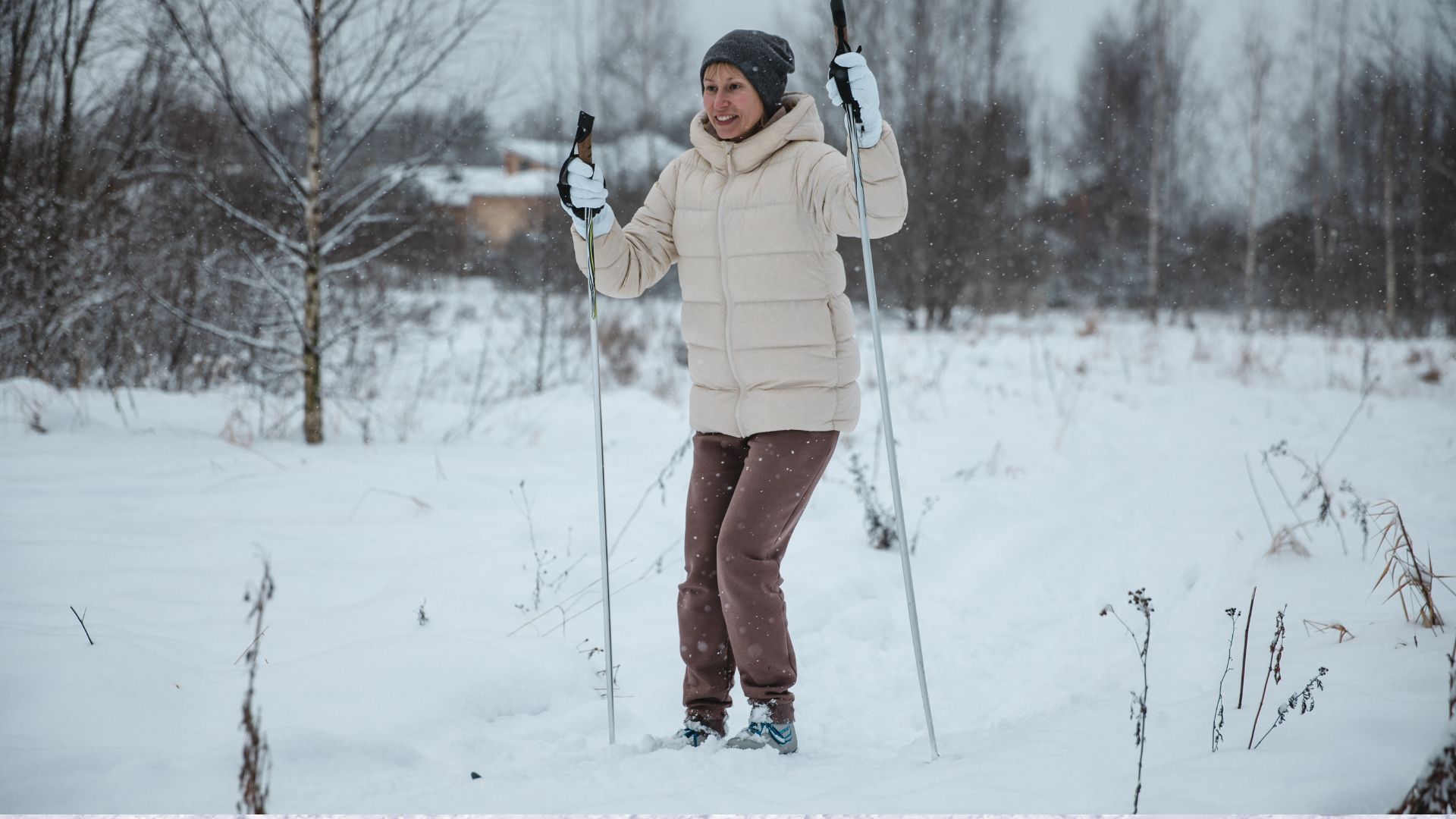
Cross‑Country Skiing: Techniques for Beginners
Cross‑country skiing is an exciting and rewarding winter sport that offers both a great workout...
read More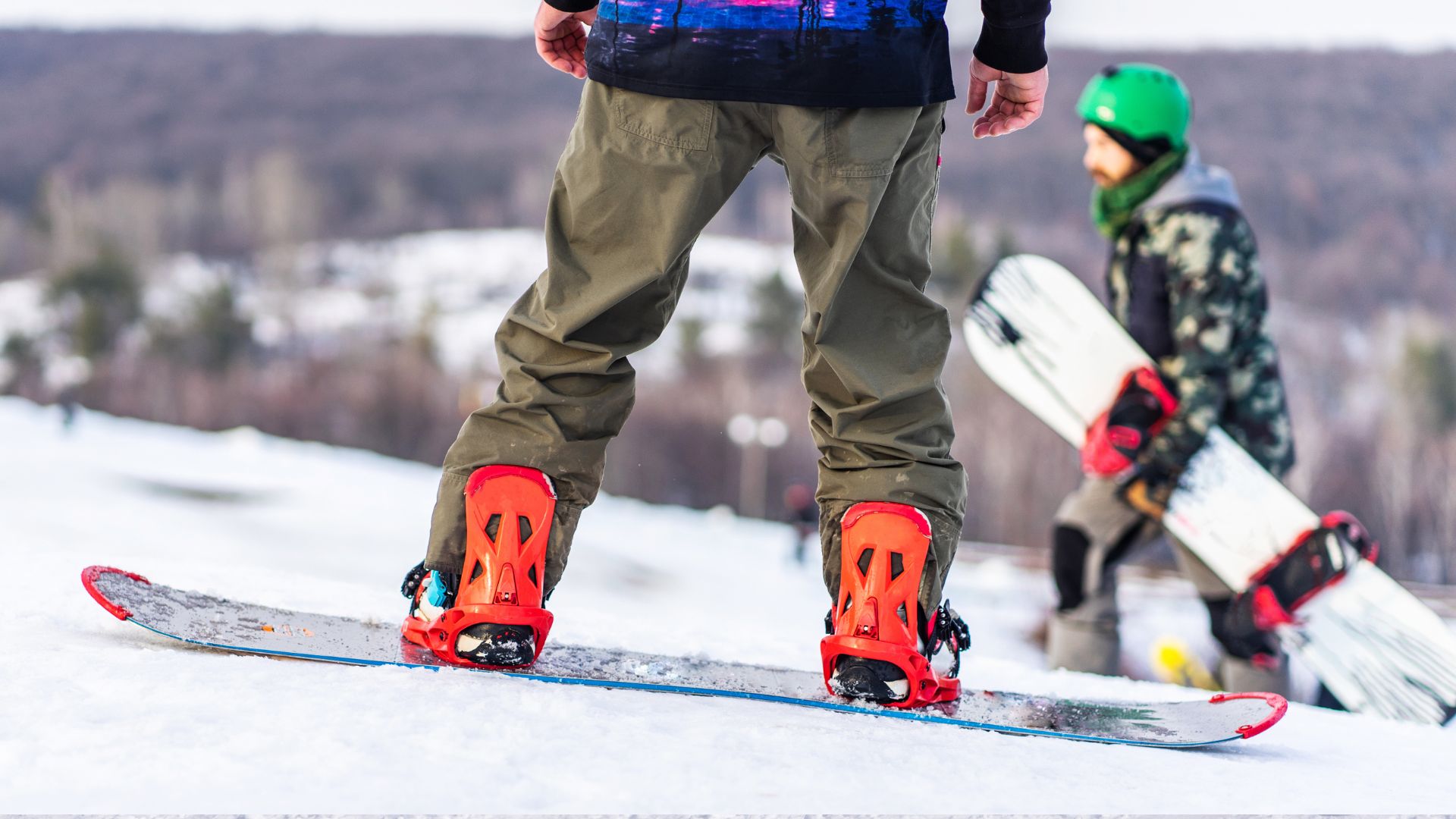
Snowboarding Boots: Essential Gear for 2026
Snowboarding boots are an essential part of your snowboarding gear, offering comfort, support, and performance...
read More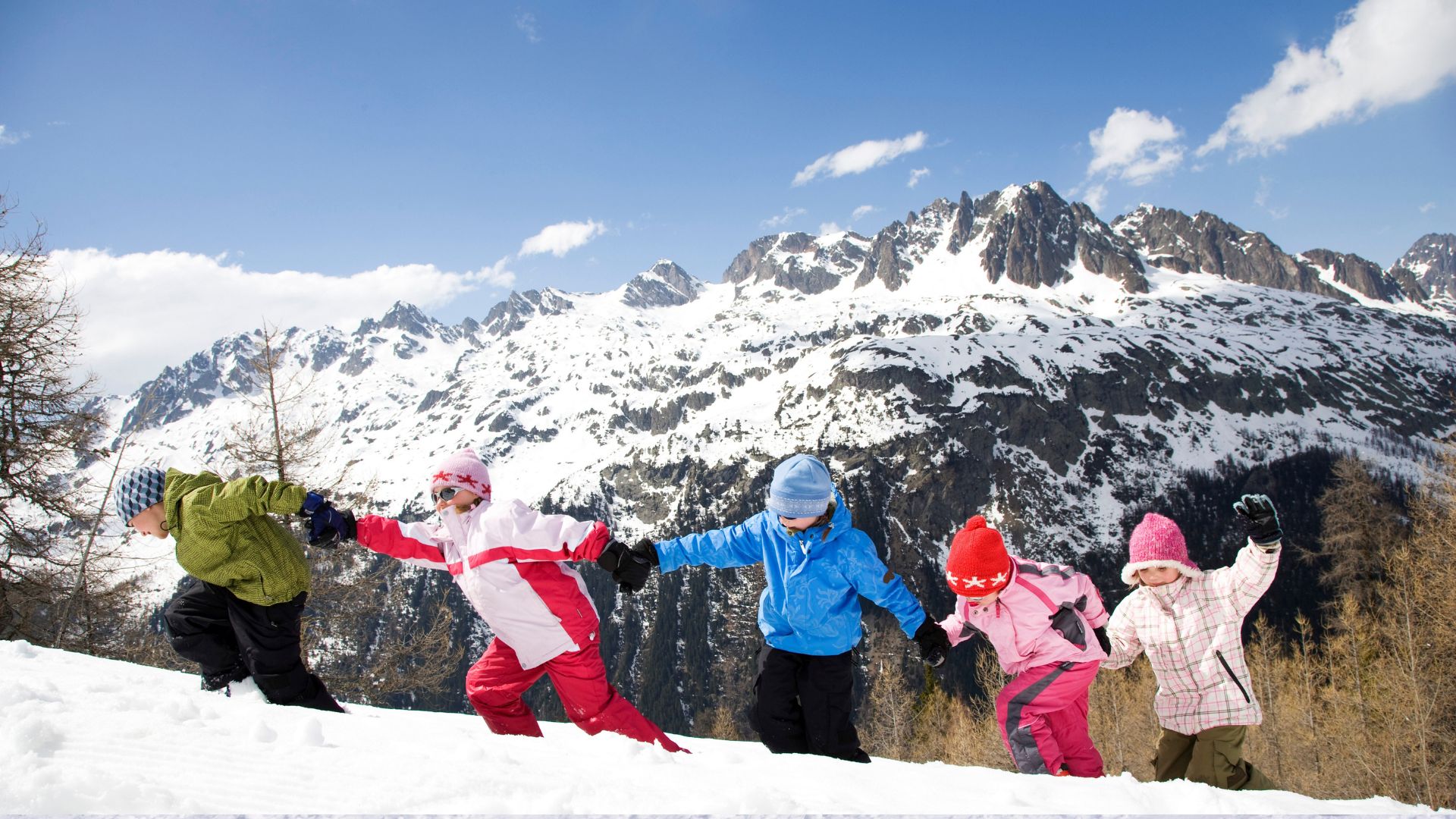
Best Kids Ski Schools: A Parent’s Complete Guide
Teaching your child how to ski is about more than just learning a new sport—it’s...
read More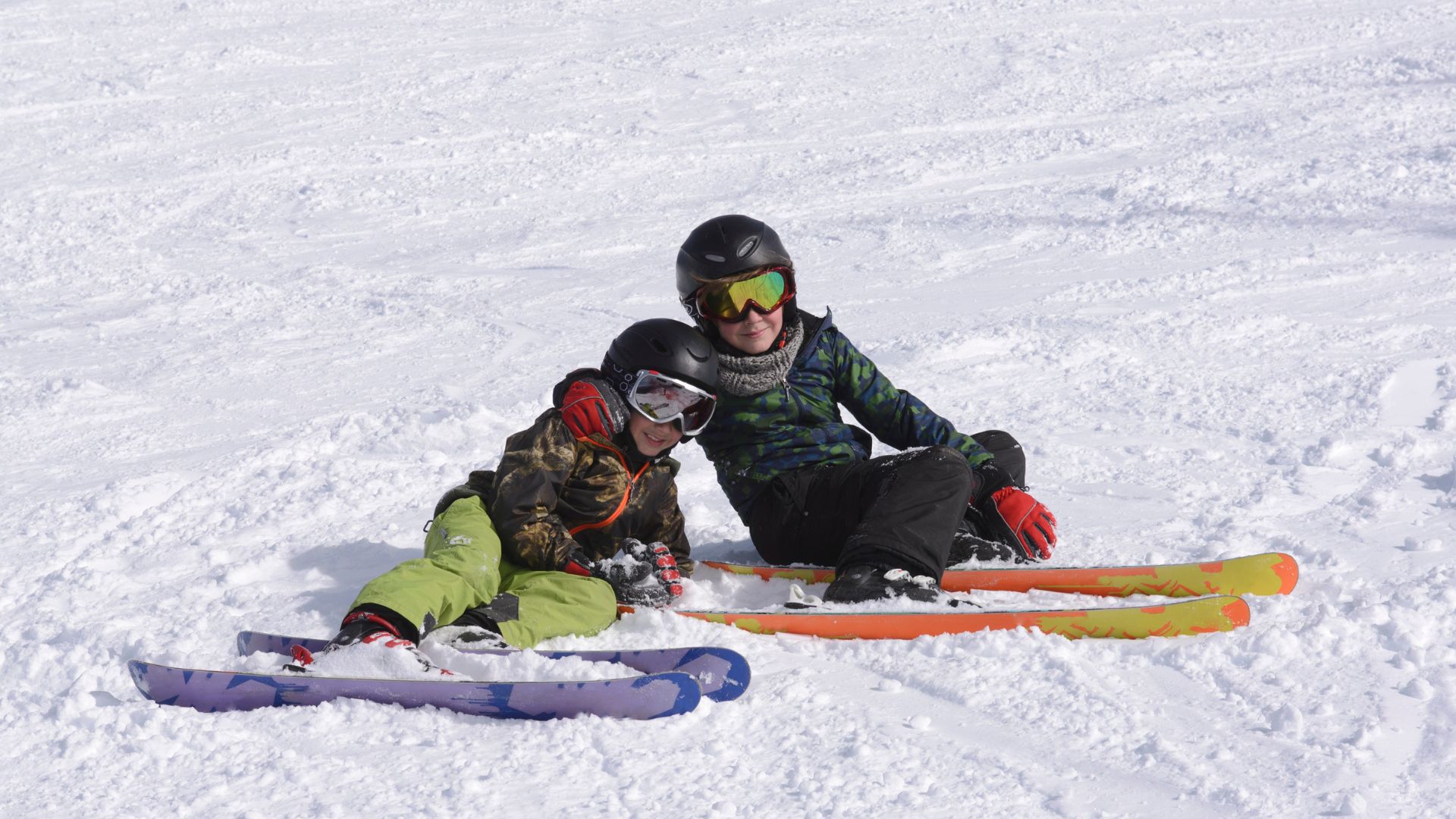
Adventure Ski & Snowboard School: Everything You Need to Know
Winter sports offer more than just excitement—they create confidence, discipline, and unforgettable experiences. Choosing an...
read More
Best Ski Schools for Kids: What Truly Matters for Young Skiers
When children learn to ski the right way, it can shape how they feel about...
read More
Understanding Skiing Boarding Schools and How They Work
Education does not always follow a traditional classroom-only path. For students who thrive in structured...
read More