
How Adaptive Skiing Works: A Complete Guide to Inclusive Skiing
February 17, 2025 | Skiing, Skis
Adaptive skiing is a fantastic sport that enables individuals with disabilities to enjoy the thrill of skiing and snowboarding. This guide will explain in detail how adaptive skiing works, including the equipment, techniques, and instruction required to make skiing accessible to everyone.
What is Adaptive Skiing?
Adaptive skiing is a form of skiing that has been modified to accommodate individuals with different types of disabilities. It involves specialized equipment and adaptive techniques to help skiers navigate the slopes safely and effectively. Many ski resorts now offer adaptive programs to ensure accessibility for all.
How Does Adaptive Skiing Work?
Adaptive skiing uses customized equipment such as sit-skis, outriggers, and bi-skis to enable individuals with mobility impairments to ski. Adaptive ski instructors provide specialized training to help skiers learn how to use the equipment, maintain balance, and maneuver effectively on different types of terrain. Skiing schools often have dedicated programs for adaptive skiing, making it easier for ski beginners to get started.
Essential Adaptive Ski Equipment
Equipment plays a crucial role in adaptive skiing. Depending on the skier’s impairment and ability, different types of equipment can be used. Sit-skis and monoski allow individuals with lower-body impairments to sit while skiing and control movements with their upper body. Bi-skis and dual-skis provide extra stability for skiers who require additional support. Outriggers, which are forearm crutches with small ski tips, assist with balance and turning. Additional adaptations, such as straps and customized poles, help skiers steer and maintain control. Snowboard modifications are also available for adaptive riders.
The Role of Ski Instructors in Adaptive Skiing
Adaptive ski instructors are trained professionals who provide tailored instruction to help individuals with disabilities ski safely. They assist with equipment fitting, technique training for balance and movement control, and implementing safety equipment to prevent injuries and enhance confidence on the slopes.
Techniques Used in Adaptive Skiing
Depending on the skier’s needs and abilities, different skiing techniques are used. Sit skiing utilizes a sit-ski for individuals who cannot use their lower limbs, allowing them to ski while seated. Stand-up skiing is suitable for individuals with limb differences or balance impairments who can ski with support. 3-track and 4-track skiing use one or two skis combined with outriggers for balance and control, offering flexibility based on the skier’s mobility level. Adaptive techniques can also be applied to snowboard training for those interested in snowboarding.
The Importance of Training and Lessons
Training is essential for adaptive skiing, and most skiers start with professional instruction. Lessons focus on basic skiing techniques for controlling speed and direction, proper load and lift procedures for safely using ski lifts and progression from beginner to advanced adaptive skiing skills. With continued instruction, skiers gain confidence and refine their techniques over time.
Competitive Adaptive Skiing
Adaptive skiing is also a competitive sport, with opportunities for skiers to participate in events such as slalom races that require quick turns and precision, downhill skiing for high-speed competition, and Paralympic events that showcase top-level adaptive athletes. These competitions provide an opportunity for athletes to test their skills and push their limits.
The Role of Ski Federations
Ski federations play a crucial role in promoting and governing adaptive skiing. They ensure accessibility to skiing facilities and events, regulate competitions to maintain fairness, and support athletes in training and development. Their efforts help create an inclusive environment for adaptive skiers worldwide.
Conclusion
Adaptive skiing modifies traditional skiing to accommodate individuals with disabilities. Specialized equipment such as sit-skis, bi-skis, and insutriggers make skiing accessible to everyone. Ski instructors provide tailored lessons to help adaptive skiers progress, and training focuses on balance, control, and safety. Competitive opportunities exist for those looking to participate in adaptive ski racing. By understanding how adaptive skiing works, individuals with disabilities can confidently take to the slopes and enjoy the exhilaration of skiing.
More Posts
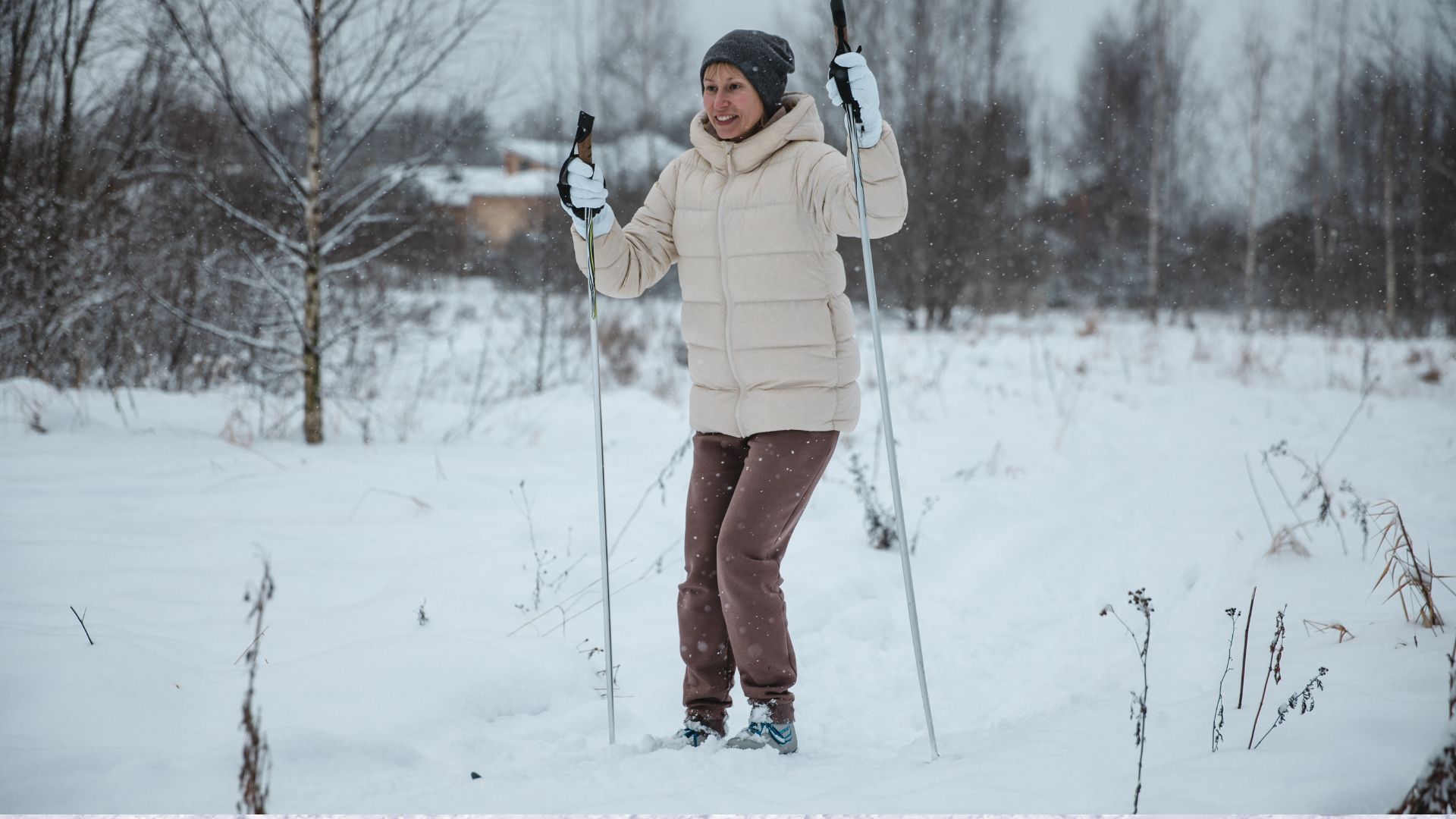
Cross‑Country Skiing: Techniques for Beginners
Cross‑country skiing is an exciting and rewarding winter sport that offers both a great workout...
read More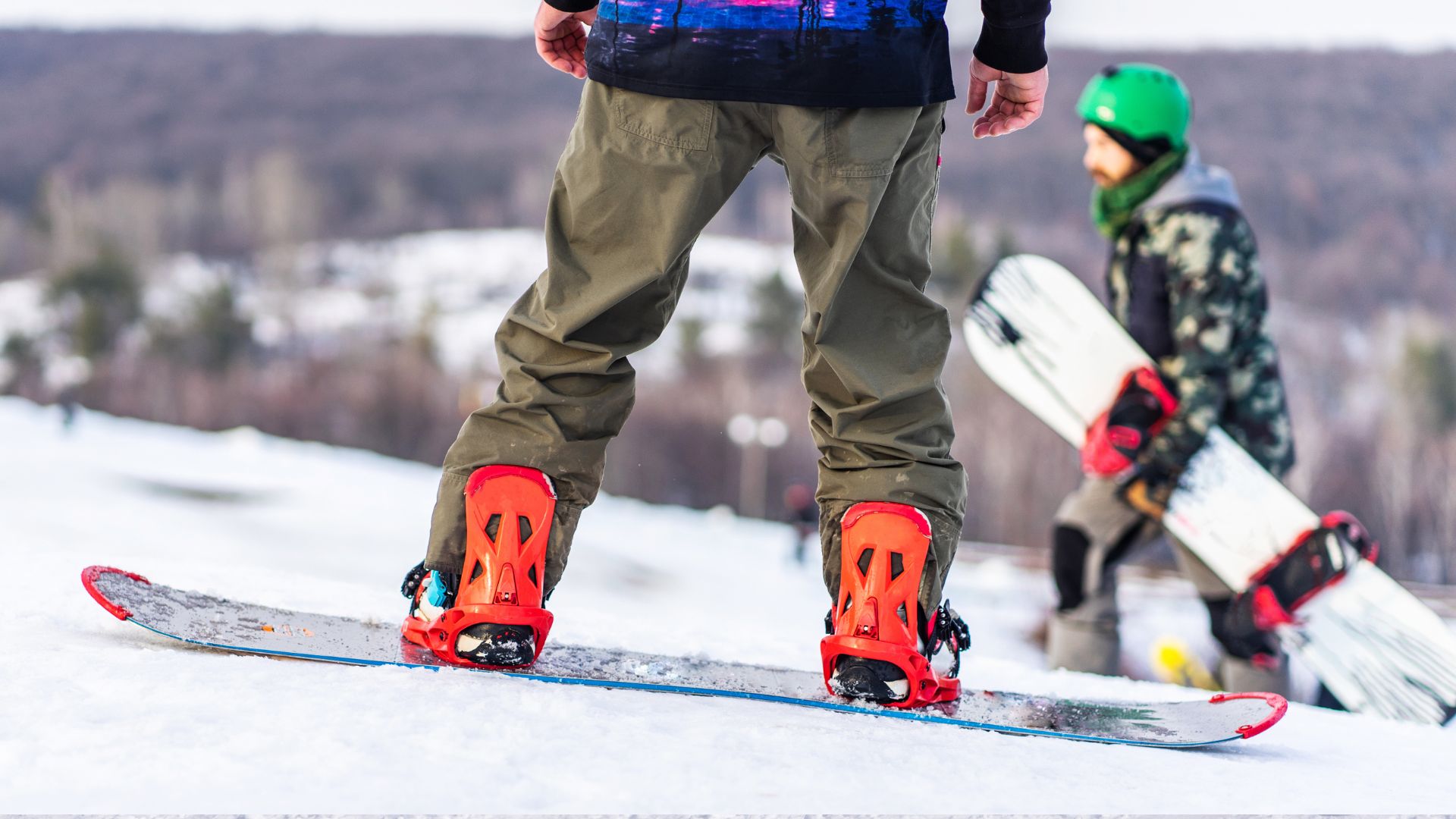
Snowboarding Boots: Essential Gear for 2026
Snowboarding boots are an essential part of your snowboarding gear, offering comfort, support, and performance...
read More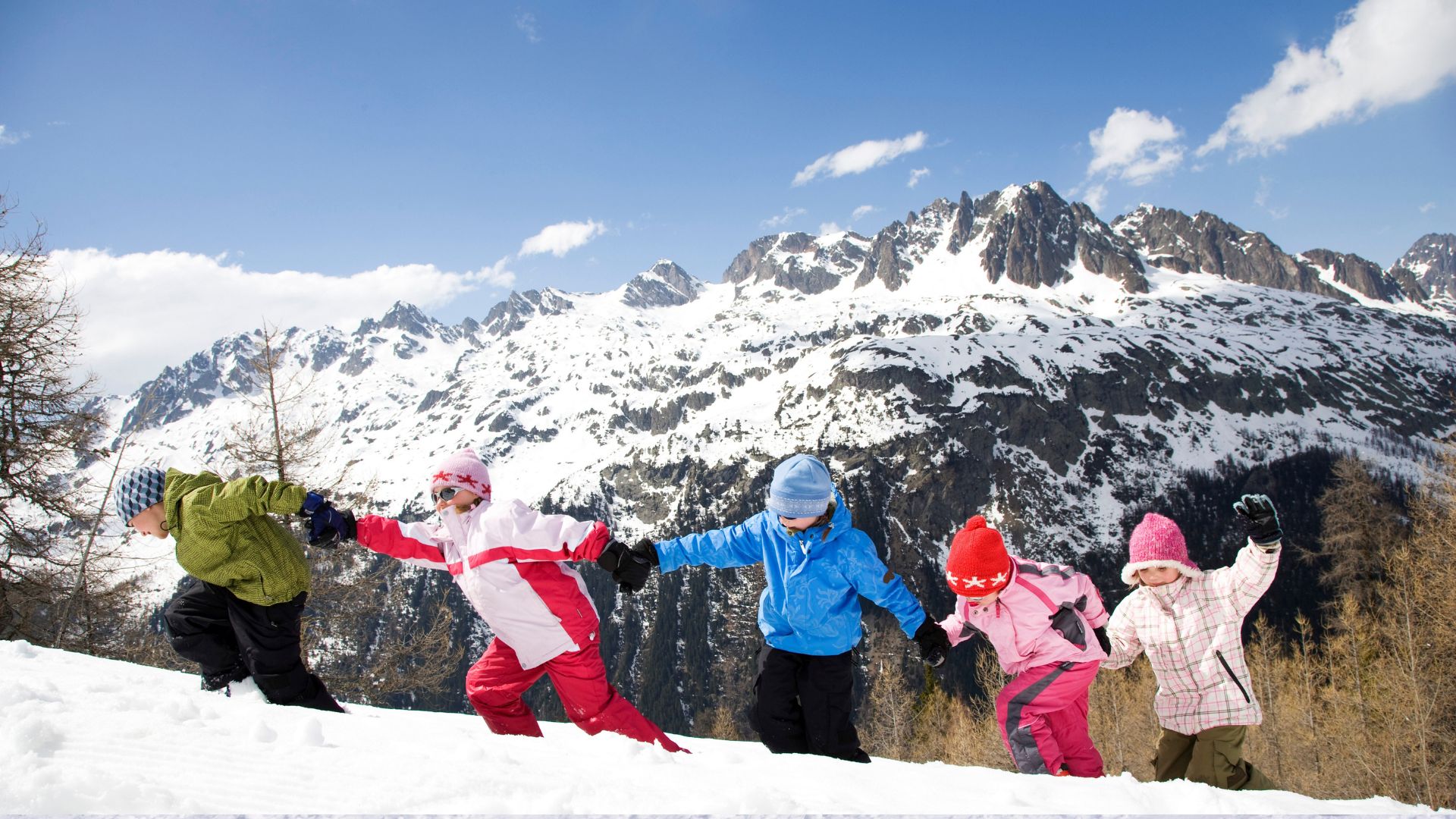
Best Kids Ski Schools: A Parent’s Complete Guide
Teaching your child how to ski is about more than just learning a new sport—it’s...
read More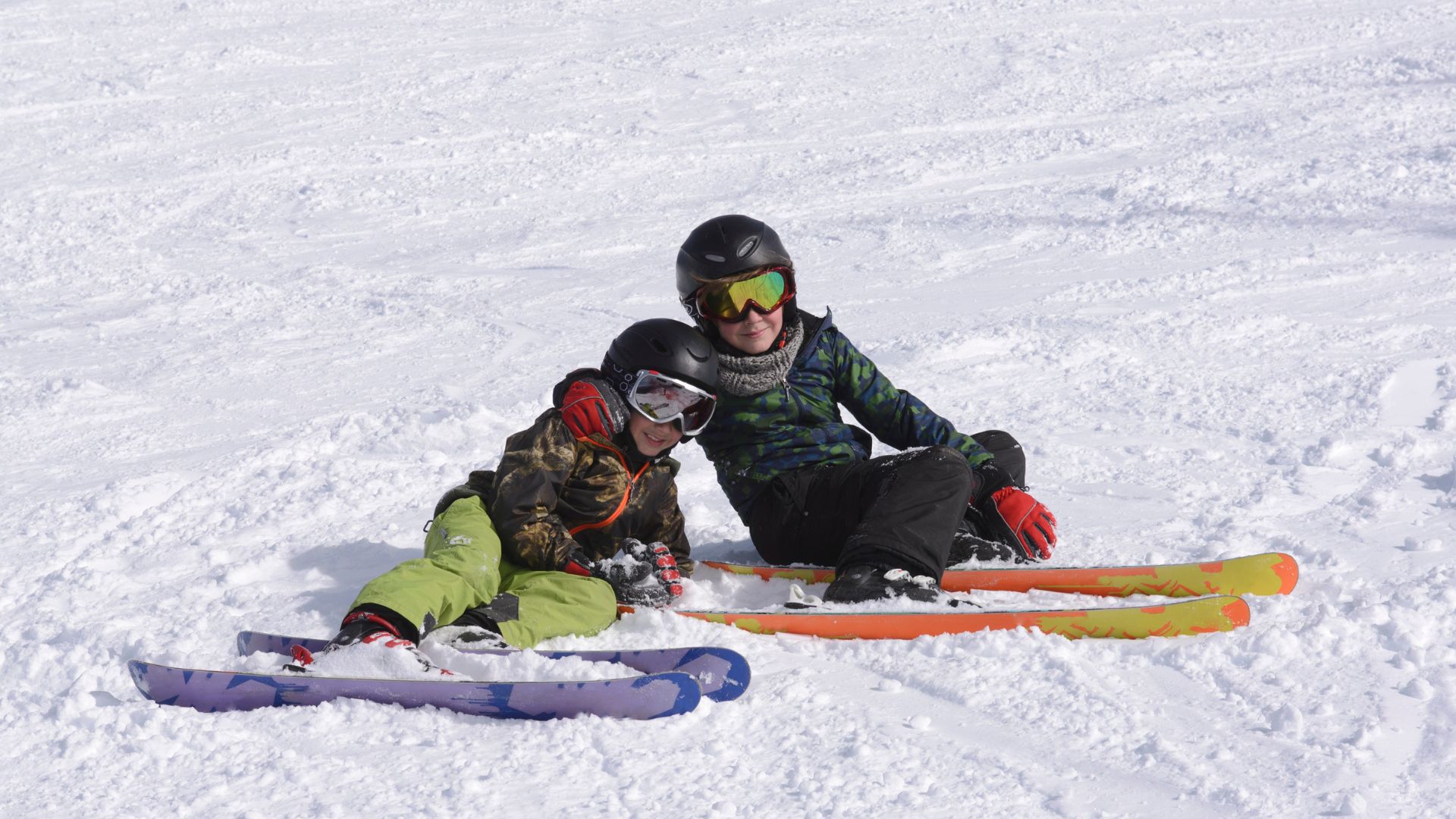
Adventure Ski & Snowboard School: Everything You Need to Know
Winter sports offer more than just excitement—they create confidence, discipline, and unforgettable experiences. Choosing an...
read More
Best Ski Schools for Kids: What Truly Matters for Young Skiers
When children learn to ski the right way, it can shape how they feel about...
read More
Understanding Skiing Boarding Schools and How They Work
Education does not always follow a traditional classroom-only path. For students who thrive in structured...
read More