
How to Control Speed While Skiing: Top Tips for Better Control
March 17, 2025 | Skiing, Skiing Technique, Skiing Tips
Skiing is an exhilarating sport, but without proper speed control, it can quickly become dangerous. Whether you’re an intermediate skier looking to improve or an advanced skier tackling a steeper slope, knowing how to control your speed is crucial for safety and confidence. This guide will provide expert tips and techniques to help you control your speed and enjoy the slopes with ease whilst skiing.
Why Speed Control is Important in Skiing
Speed control is not just about comfort—it’s about safety. Unchecked speed can lead to falls, collisions, and loss of control, especially on steep slopes or crowded ski resorts. By learning proper techniques to manage your speed, you’ll ski with more confidence and reduce the risk of injury.
Good speed management also allows you to conserve energy. Skiing efficiently means you can enjoy longer runs without tiring out too quickly. Whether you’re skiing on groomed runs or backcountry terrain, controlling speed is essential for a smooth experience.
Understanding How Speed Builds on Different Slopes
Speed varies depending on the slope’s gradient, snow conditions, and your skiing technique. Here’s how different factors impact your speed:
- Steep slopes: Gravity accelerates you faster, requiring constant control.
- Flat slopes: You need to use more effort to maintain movement.
- Icy or hard-packed snow: Reduced friction makes it harder to slow down.
- Powder snow: Increased resistance helps slow your descent naturally.
Being aware of these factors allows you to adjust your technique accordingly and prevent unexpected acceleration.
Choosing the Right Turn Shape
One of the most effective ways to slow down is by adjusting your turn shape:
- Short, quick turns help manage speed on steep slopes.
- Wide, rounded turns reduce acceleration and provide more stability.
- Zig-zag skiing (across the hill) slows you down compared to skiing straight down the fall line.
Try to stick to a turn pattern that allows for gradual speed reduction rather than abrupt stops.
Using Edge Control and Skid Turns Effectively
Edge control is key to maintaining a safe speed. The more you engage your ski edges, the more control you have over your descent. Skid turns are particularly useful for controlling speed:
- Skid turns involve turning while allowing the skis to slide slightly sideways, reducing speed without stopping completely.
- Carved turns are better for maintaining speed but offer less braking power.
- Hockey stops can be used to come to a quick halt if needed.
Practicing skid turns on moderate terrain before moving to steeper runs will help you gain confidence in speed management.
Role of Body Position in Controlling Speed
Your body position plays a huge role in speed control. Follow these key principles:
- Stay balanced over your skis to prevent unnecessary acceleration.
- Keep your weight slightly forward—leaning back can cause you to lose control.
- Bend your knees and absorb terrain changes to avoid jerky movements.
Upper body stability is also important. Your upper body should remain facing downhill while your legs and skis control the turns.
How to Use Pole Plants for Stability and Control
A well-timed pole plant can help initiate turns and maintain rhythm. This technique is especially useful in steep or icy conditions.
- Plant your pole at the start of each turn to guide your movement.
- Use the pole for balance rather than leaning too much on it.
- Maintain a steady rhythm by keeping your pole plants consistent.
This technique helps skiers control their speed by adding structure to their descent.
Braking Techniques
When you need to slow down quickly, braking techniques come in handy:
- Hockey stop: Turn both skis sharply sideways to come to an immediate stop.
- Side slipping: Keep your skis parallel while sliding down sideways to gradually reduce speed.
- Wedge turn (snowplow): A beginner-friendly technique that reduces speed by pointing the ski tips inward.
Practicing these techniques on gentle slopes before trying them on steep terrain will help you feel more in control.
Managing Speed in Icy or Steep Terrain
Icy or steep conditions require extra caution. Here’s how to stay in control:
- Use short, controlled turns rather than long, sweeping arcs.
- Engage your edges early to prevent slipping.
- Stay relaxed and avoid stiff movements, which can cause a loss of balance.
If the conditions are particularly icy, try to find softer snow patches for better grip.
Common Mistakes That Lead to Losing Control
Many skiers struggle with speed control due to these common mistakes:
- Leaning back too much can reduces edge engagement.
- Skiing straight down the fall line instead of turning to manage speed.
- Not using pole plants can lead to unstructured movements.
- Overturning or panicking can disrupt rhythm and stability.
Being aware of these mistakes and correcting them will greatly improve your ability to ski safely.
Expert Tips for Building Confidence and Mastering Speed Management
Ski instructors and professionals recommend:
- Booking lessons with a ski instructor to refine technique.
- Practicing turns on less steep terrain before moving to challenging slopes.
- Watching online tutorials from contributing experts to analyze techniques.
- Taking breaks when needed to maintain focus and avoid fatigue.
By incorporating these techniques and practicing regularly, you’ll be able to ski with better control and confidence.
More Posts
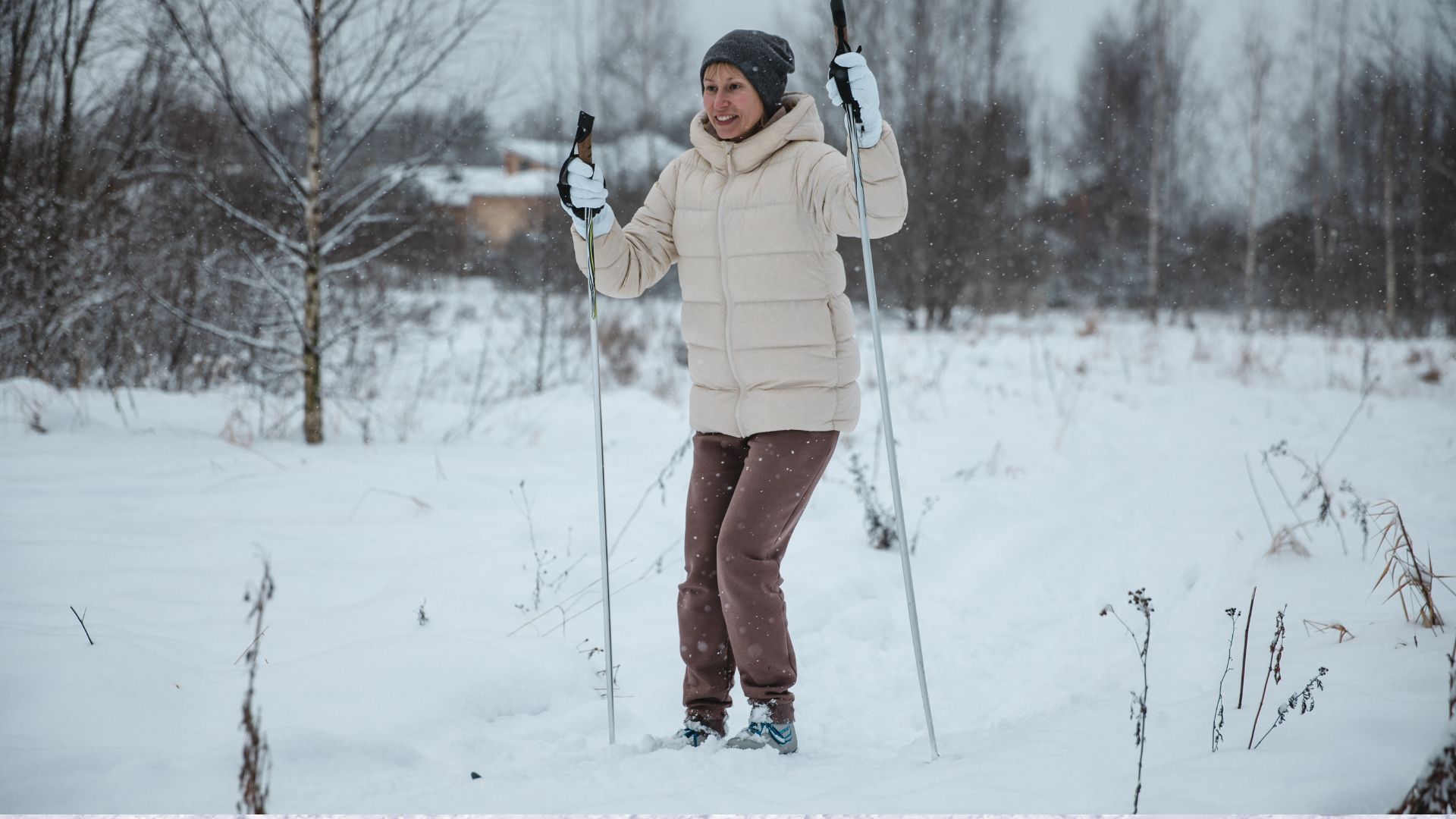
Cross‑Country Skiing: Techniques for Beginners
Cross‑country skiing is an exciting and rewarding winter sport that offers both a great workout...
read More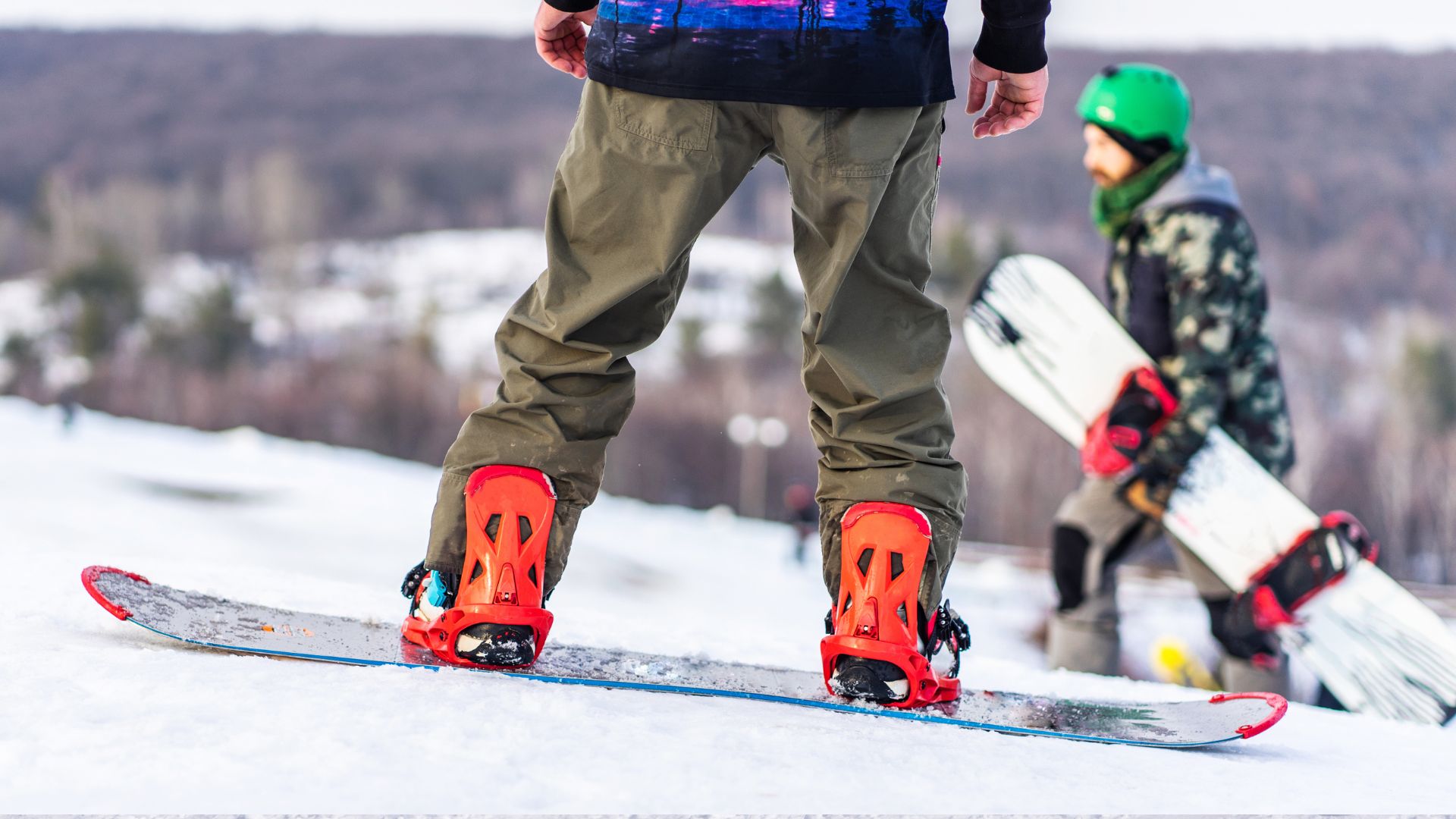
Snowboarding Boots: Essential Gear for 2026
Snowboarding boots are an essential part of your snowboarding gear, offering comfort, support, and performance...
read More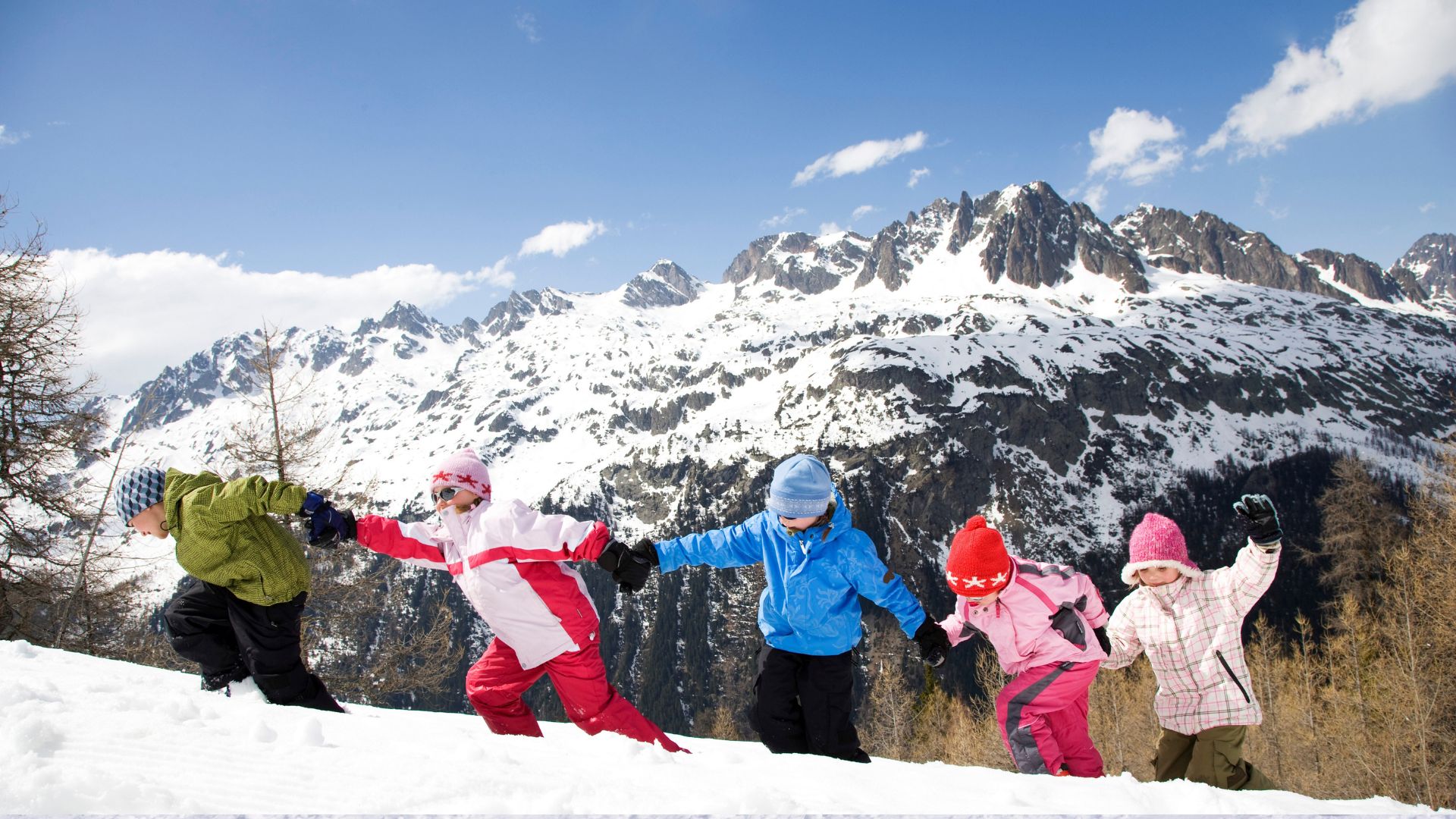
Best Kids Ski Schools: A Parent’s Complete Guide
Teaching your child how to ski is about more than just learning a new sport—it’s...
read More
Adventure Ski & Snowboard School: Everything You Need to Know
Winter sports offer more than just excitement—they create confidence, discipline, and unforgettable experiences. Choosing an...
read More
Best Ski Schools for Kids: What Truly Matters for Young Skiers
When children learn to ski the right way, it can shape how they feel about...
read More
Understanding Skiing Boarding Schools and How They Work
Education does not always follow a traditional classroom-only path. For students who thrive in structured...
read More