
Stay Hydrated While Skiing: Essential Tips for Skiers and Snowboarders
March 25, 2025 | Skiing, Skiing Tips
Skiing and snowboarding are exhilarating winter sports, but they come with physical demands that make proper hydration crucial. The cold weather, high altitude, and intense physical activity can quickly dehydrate you if you’re not careful. This guide will explore why staying hydrated on the slopes is vital, how much water you need, and the best ways to carry water while skiing. Whether you’re a beginner or a seasoned skier, these hydration tips will help you maximize your fun and performance on the mountain.
Why Is Hydration Important for Skiers and Snowboarders?
Skiing and other winter sports involve significant physical exertion, causing fluid loss through sweat and breath. The dry air at high altitudes can also make you dehydrate faster. Staying properly hydrated ensures better endurance, prevents fatigue, and helps you feel your best throughout your skiing day.
How Much Water Do You Need to Drink While Skiing?
Many people underestimate how much water they need when engaging in winter sports. A general reference point is to drink about 8-12 ounces per hour while skiing. Since they don’t feel as thirsty in cold weather, skiers often forget to drink enough. To stay hydrated throughout the day, start drinking water before you hit the slopes and continue at regular intervals.
Read More: What Is a Ski Instructor? Understanding the Role And Ski Instructor Qualification
Signs of Dehydration While Skiing
Dehydration can sneak up on you, especially in cold weather. Some key signs to watch for include:
- Dry mouth and chapped lips
- Dizziness or lightheadedness
- Fatigue and muscle cramps
- Headaches
- Decreased performance on the mountain
If you experience any of these symptoms, you need to drink more water immediately.
Best Ways to Carry Water While Skiing
Carrying water can be tricky when you’re skiing, but there are a few convenient hydration packs and other options to consider:
- Hydration packs: A CamelBak or another hydration pack with an insulated tube allows for hands-free drinking while skiing.
- Water bottles: A Nalgene bottle stored in your ski pack can be an alternative, though you’ll need to stop so much to drink.
- Ski jacket with a hydration system: Some ski jackets come with built-in reservoirs for easy access to water.
Preparing Before You Ski
To stay hydrated while skiing, pre-game your hydration before hitting the slopes. Start drinking water early in the day, and consider taking in extra fluids the night before your ski trip. Drink mixes containing electrolytes can also help maintain a proper balance of electrolytes in your body.
Electrolytes and Hydration: Why They Matter
While plain water is essential, you shouldn’t forget electrolytes. Calcium and potassium play key roles in muscle function and hydration levels. Taking in electrolyte-rich fluids like fruit juice or sports drinks can help replenish what you lose while skiing.
Read More: How to Practice Skiing at Home: Get Fit for the Ski Season Without Leaving Your House
How to Avoid Overdressing and Dehydration
Wearing too many layers can make you sweat a lot, leading to fluid loss. Overdress too much, and you’ll need to drink extra water to compensate. Instead, wear moisture-wicking ski pants and ski jackets to regulate body temperature effectively.
Hydration Tips for a Long Day on the Slopes
- Carry water with you at all times.
- Take a quick drink every 30-45 minutes.
- Use a hydration pack for convenient access to water.
- Avoid caffeine and alcohol, as they can dehydrate you faster.
- Pay attention to how thirsty you are and drink water before you feel too thirsty.
Role of Altitude in Dehydration While Skiing
High-altitude skiing destinations can cause fluid loss faster than lower elevations. The dry air and increased respiration rates mean you need to drink more water to compensate. A litre of water may not be enough for a long day on the slopes, so plan accordingly.
Final Thoughts
Proper hydration is crucial for an enjoyable ski season. Whether you’re skiing or snowboarding, keeping water handy and drinking regularly will help you maintain energy and performance. To summarize:
- Start drinking water before you ski.
- Carry a hydration pack or water bottle.
- Balance your electrolytes with the right drinks.
- Watch for signs of dehydration.
- Adjust for high-altitude conditions.
By following these hydration tips, you can ensure a safer, more enjoyable skiing experience. So, the next time you hit the slopes, don’t forget to drink water and stay hydrated!
More Posts
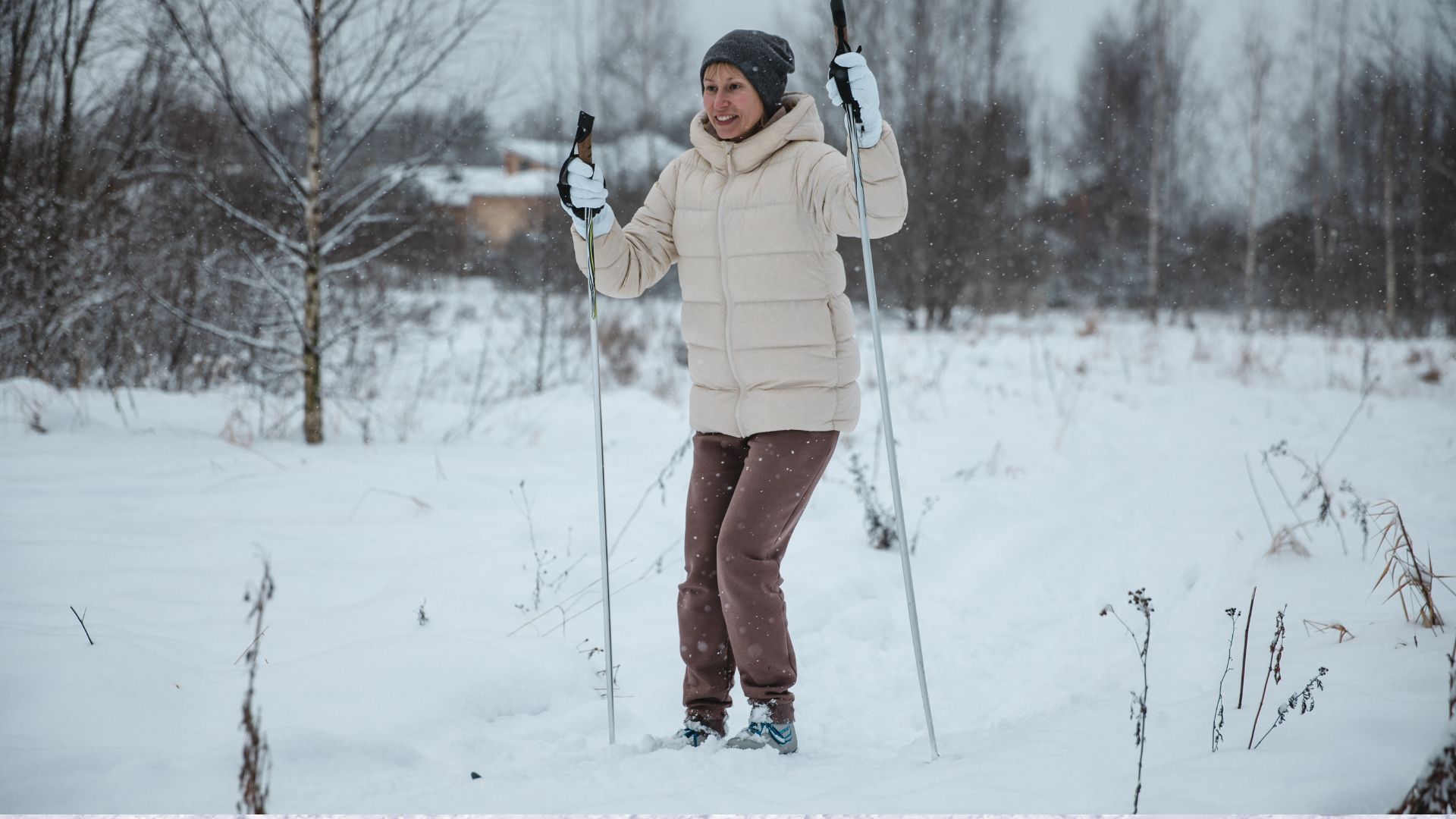
Cross‑Country Skiing: Techniques for Beginners
Cross‑country skiing is an exciting and rewarding winter sport that offers both a great workout...
read More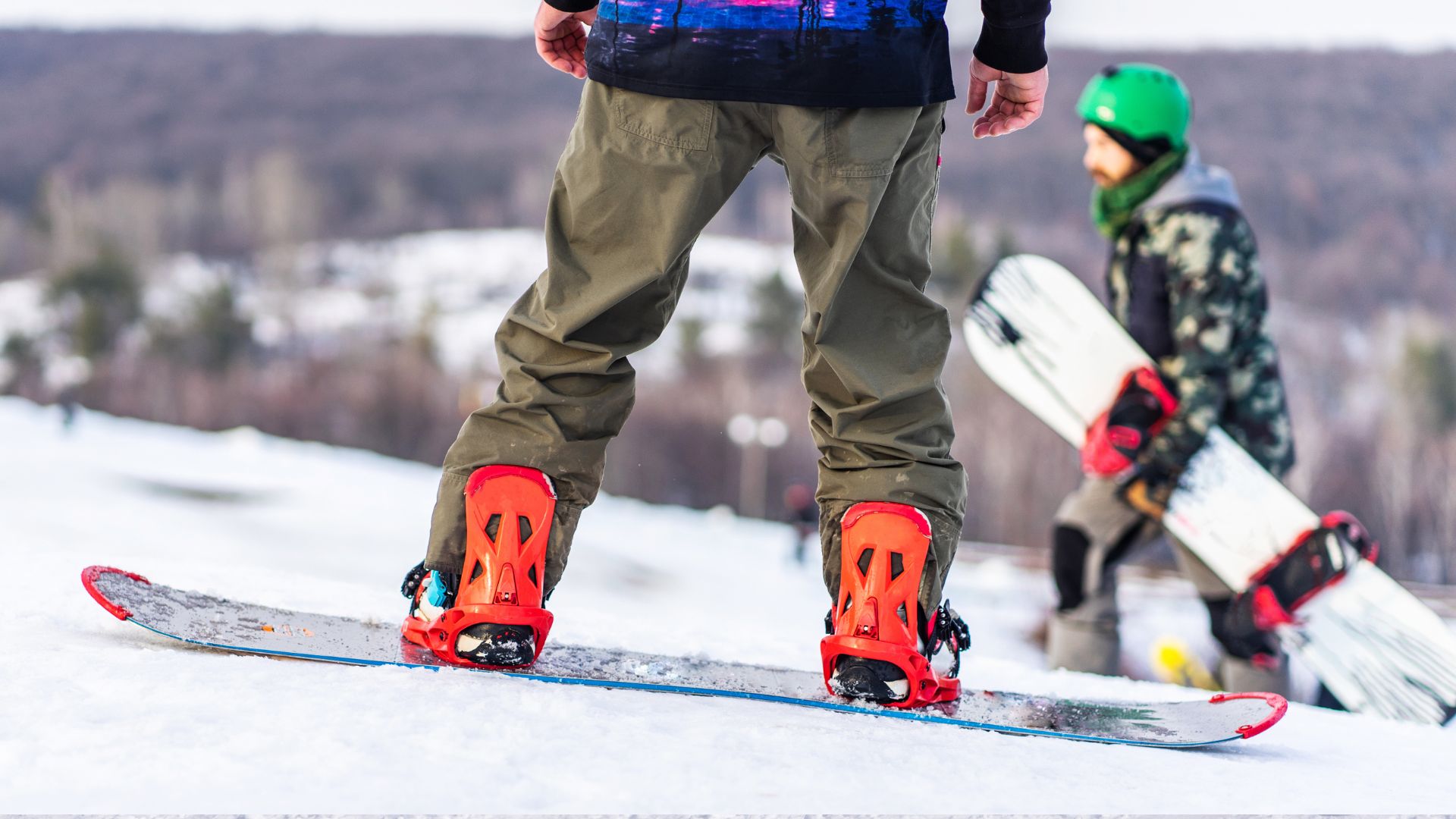
Snowboarding Boots: Essential Gear for 2026
Snowboarding boots are an essential part of your snowboarding gear, offering comfort, support, and performance...
read More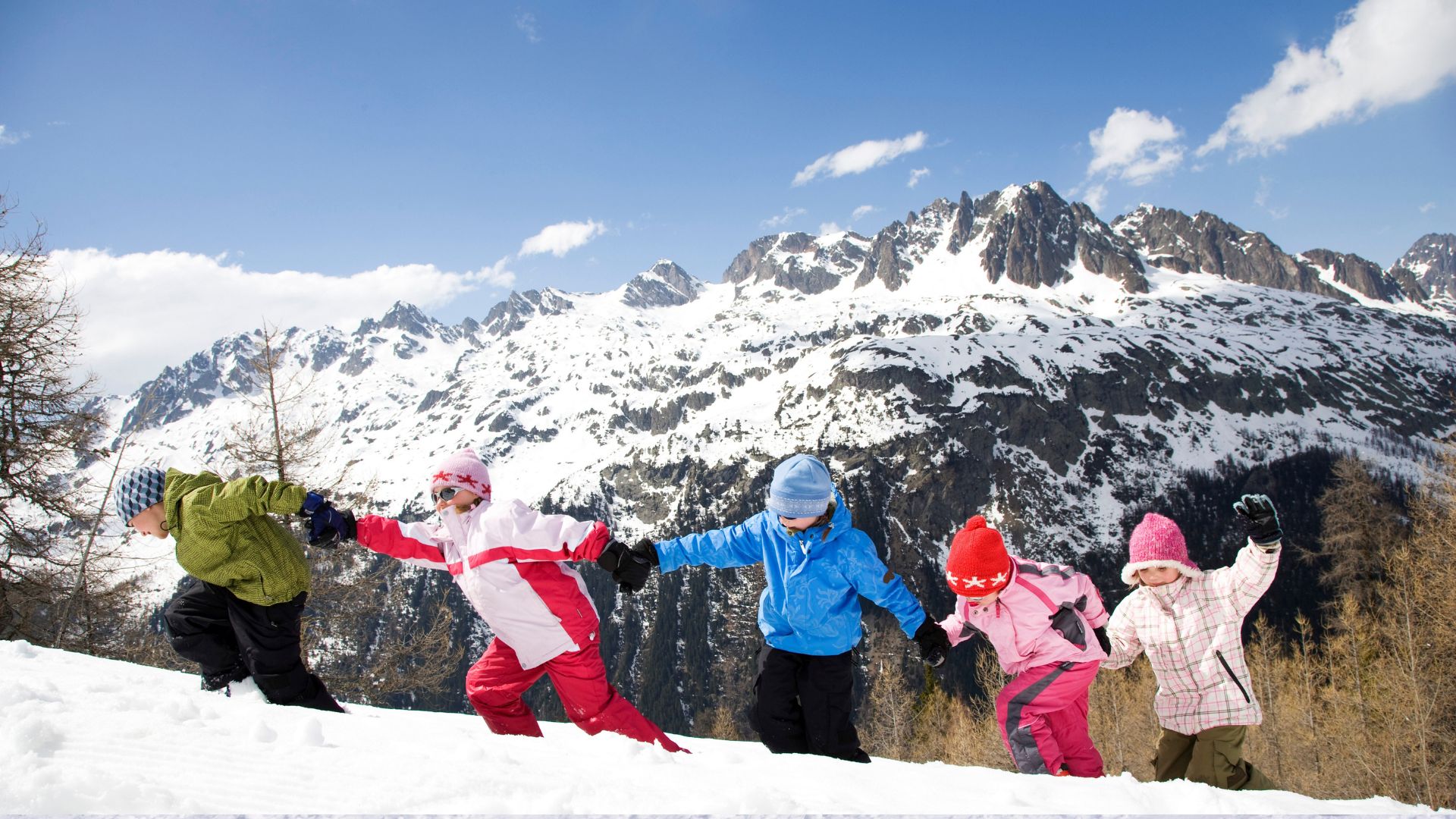
Best Kids Ski Schools: A Parent’s Complete Guide
Teaching your child how to ski is about more than just learning a new sport—it’s...
read More
Adventure Ski & Snowboard School: Everything You Need to Know
Winter sports offer more than just excitement—they create confidence, discipline, and unforgettable experiences. Choosing an...
read More
Best Ski Schools for Kids: What Truly Matters for Young Skiers
When children learn to ski the right way, it can shape how they feel about...
read More
Understanding Skiing Boarding Schools and How They Work
Education does not always follow a traditional classroom-only path. For students who thrive in structured...
read More