
How to Choose Alpine Skis: Your Ultimate Guide
July 14, 2025 | Alpine Skiing
Buying the perfect pair of alpine skis can feel overwhelming, especially with so many options, styles, and specs out there. Whether you’re a beginner hitting the slopes for the first time or an experienced skier looking to upgrade, this guide to buying alpine skis will walk you through everything you need to know. From ski size charts to ski design, we’ll help you understand how to choose skis that match your ski level, terrain preference, and skiing goals.
Different Types of Skis
Understanding the different types of alpine skis is the first step in choosing the right pair. Skis are designed for specific terrains and skiing styles:
- All-mountain skis are the most versatile. These skis are designed to handle a variety of conditions, from groomed runs to off-piste adventures.
- Powder skis are wider and have a rockered tip and tail to float better in deep snow.
- Carving skis are perfect for piste ski lovers who enjoy making tight, clean turns on groomed trails.
- Freeride skis are similar to powder skis but built for more aggressive off-piste skiing.
- Touring skis or alpine touring skis are lightweight for ski touring and often feature skins and tech bindings for uphill travel.
- Park and pipe skis are made for freestyle skiing and tricks in terrain parks.
Each type of alpine ski has unique features, so think about the terrain you like to ski before making your decision.
How Do You Choose Alpine Skis Based on Your Skill Level?
Your experience as a skier matters a lot when you buy skis. For beginners, it’s best to choose beginner-intermediate alpine skis that are easy to control. These skis are typically softer and have a more forgiving ski design.
Intermediate and advanced skiers can look into more performance-oriented alpine skis, including carving skis, all-mountain skis, or even alpine touring setups, depending on their goals. These skis are designed to handle higher speeds, steeper slopes, and mixed conditions.
If you’re going to own one ski, an all-mountain alpine ski is often the best choice due to its balance between versatility and performance.
How Important Is Ski Length When You Buy Alpine Skis?
Ski length is one of the most important factors in finding your perfect setup. The length of the ski influences control, speed, and overall comfort on the slope.
As a general rule:
- Shorter skis are easier to maneuver and better for beginners or lighter skiers.
- Longer skis are more stable at speed and offer better performance in deep snow or off-piste conditions.
Always consult a ski size chart to get a recommended length based on your height and weight. Many ski manufacturers also provide custom sizing tools.
What Does a Ski Size Chart Include?
A ski size chart or size chart, helps you match your ski size to your height and weight. It’s a critical tool for choosing ski length, especially if you’re shopping online.
Most charts break recommendations into categories by skill level (e.g., beginner, intermediate, advanced) and by type (e.g., alpine ski, powder ski, etc.). A proper ski length ensures balance and responsiveness. Always compare charts across different ski manufacturers, as sizing recommendations may vary.
How Does Terrain Affect Which Alpine Skis You Should Choose?
The terrain you like to ski plays a huge role in your alpine ski selection. If you’re sticking to groomers, carving skis or piste skis are a solid choice. They have a narrow ski width and are designed for high control.
If you’re into backcountry skiing, you’ll want touring skis or alpine touring skis that are light and easy to climb with. For off-piste terrain with deep snow, powder skis with wide underfoot and rockered tip and tail provide superior flotation.
For skiers who enjoy a bit of everything, all-mountain alpine skis are perfect because they perform decently in both groomed and ungroomed terrain.
What Are the Key Ski Dimensions?
When evaluating a pair of alpine skis, you’ll notice three key ski dimensions: the tip and tail, the middle of the ski (waist), and overall length.
- Tip and tail: Affect how well the ski initiates and exits a turn.
- Middle of the ski: The ski width underfoot, which determines edge control and floatation.
- Overall shape of a ski: This includes sidecut radius, which influences how tight or wide your turns will be.
A ski’s dimensions can tell you a lot about its performance on different types of terrain.
Rockered vs. Camber Alpine Skis
Modern ski design includes variations like rockered skis and cambered skis. A rockered ski curves upward at the tip and tail, which helps with flotation in deep snow and quick turn initiation.
Camber skis have a slight arch underfoot, giving them better edge grip and responsiveness on groomed snow. Many skis come with a hybrid of both for balanced performance. Depending on the type of alpine ski, you might choose a fully rockered, cambered, or hybrid profile.
Touring Skis vs. Traditional Alpine Skis
Touring skis and alpine skis differ primarily in their weight and design. Alpine touring skis are built for ski touring—ascending mountains under your own power—so they need to be lightweight and efficient.
They often have special bindings that allow for free-heel movement during climbs and lock down for descents. Traditional alpine skis are heavier, more stable, and designed for lift-accessed terrain. If you’re planning backcountry skiing or earning your turns, touring skis are a must-have.
Are Powder Skis Worth It?
If you frequently ski in deep snow, then yes, powder skis are worth the investment. These skis are typically wider, with a rockered tip and tail that helps them float on top of snow rather than sink.
Many powder skis have a wide ski profile, making them less ideal for hardpack conditions. But if your playground is fresh snow or ungroomed bowls, skis in the powder category will transform your experience. Some skiers even keep a dedicated pair of skis just for powder days.
What Should Beginners Look for When Buying Alpine Skis?
If you’re a beginner, your priorities should be ease of use, control, and forgiveness. That usually means:
- Choosing shorter skis for better maneuverability
- Picking carving skis or piste skis with a moderate sidecut
- Avoiding overly stiff or long skis
Beginner-intermediate alpine skis are typically softer, more flexible, and easier to learn on. It’s also smart to consult with ski pros or rent first to see what you like before you commit to buying alpine skis.
Ready to test your new skis on the slopes? Contact us to find certified instructors and top-rated ski schools near you. Book today and ski with confidence!
Final Thoughts
Choosing alpine skis doesn’t have to be intimidating. Once you know your skiing style, skill level, and the conditions you prefer, selecting the right skis becomes a strategic and exciting step toward better days on the mountain. With the right knowledge and tools like ski size charts and expert advice, you’re now equipped to make a smart choice and fully enjoy every ride down the slope.
More Posts
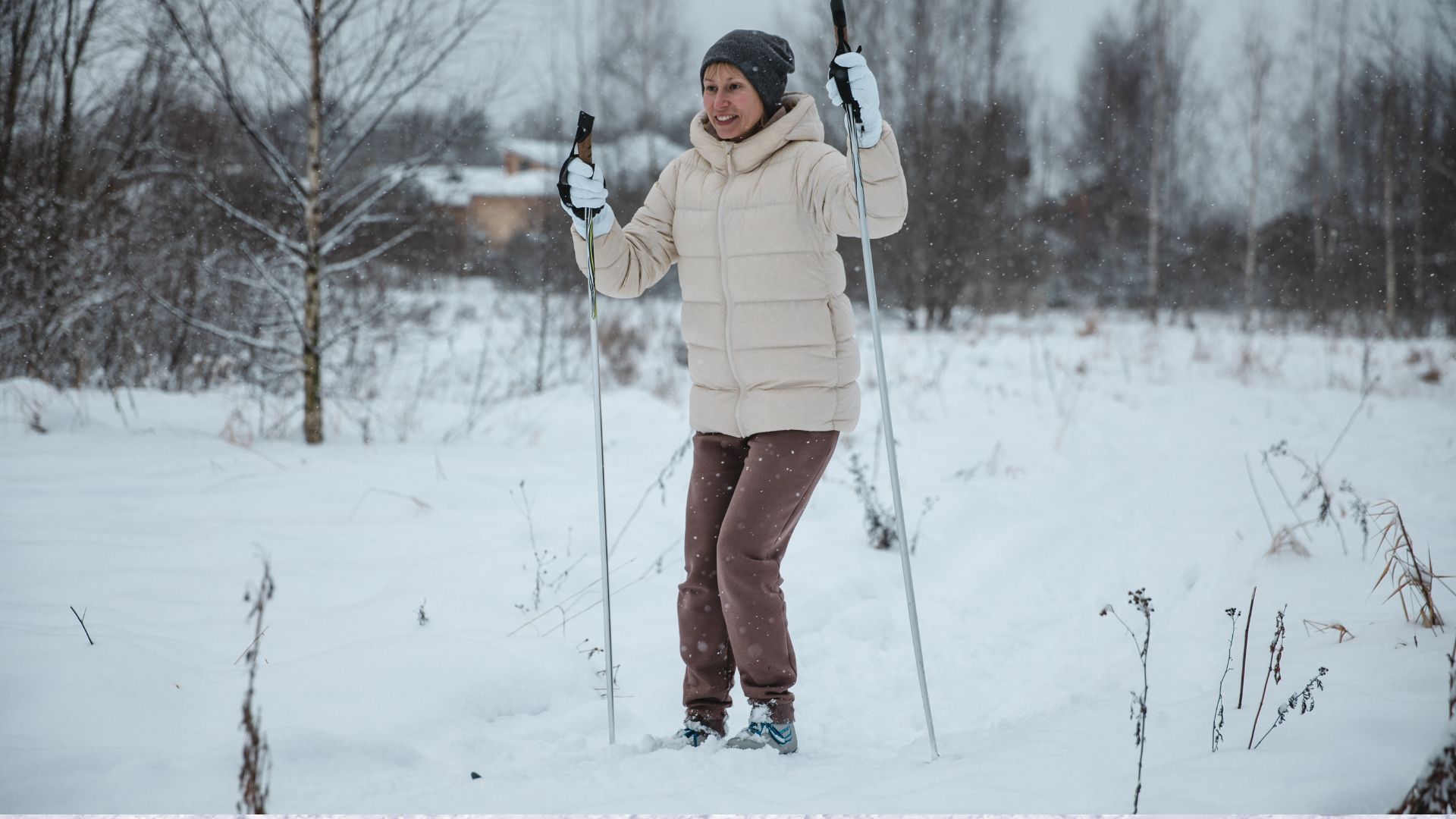
Cross‑Country Skiing: Techniques for Beginners
Cross‑country skiing is an exciting and rewarding winter sport that offers both a great workout...
read More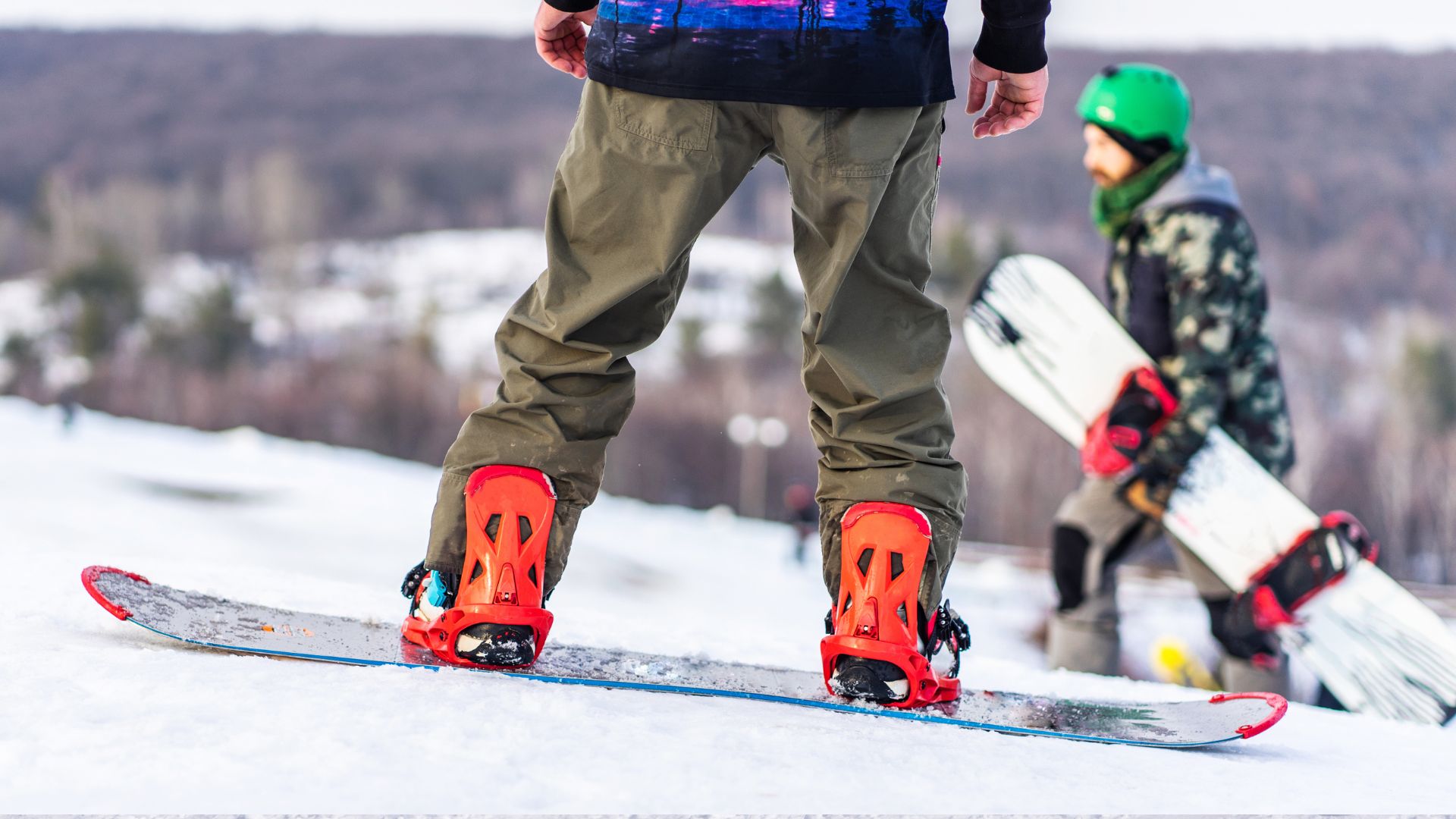
Snowboarding Boots: Essential Gear for 2026
Snowboarding boots are an essential part of your snowboarding gear, offering comfort, support, and performance...
read More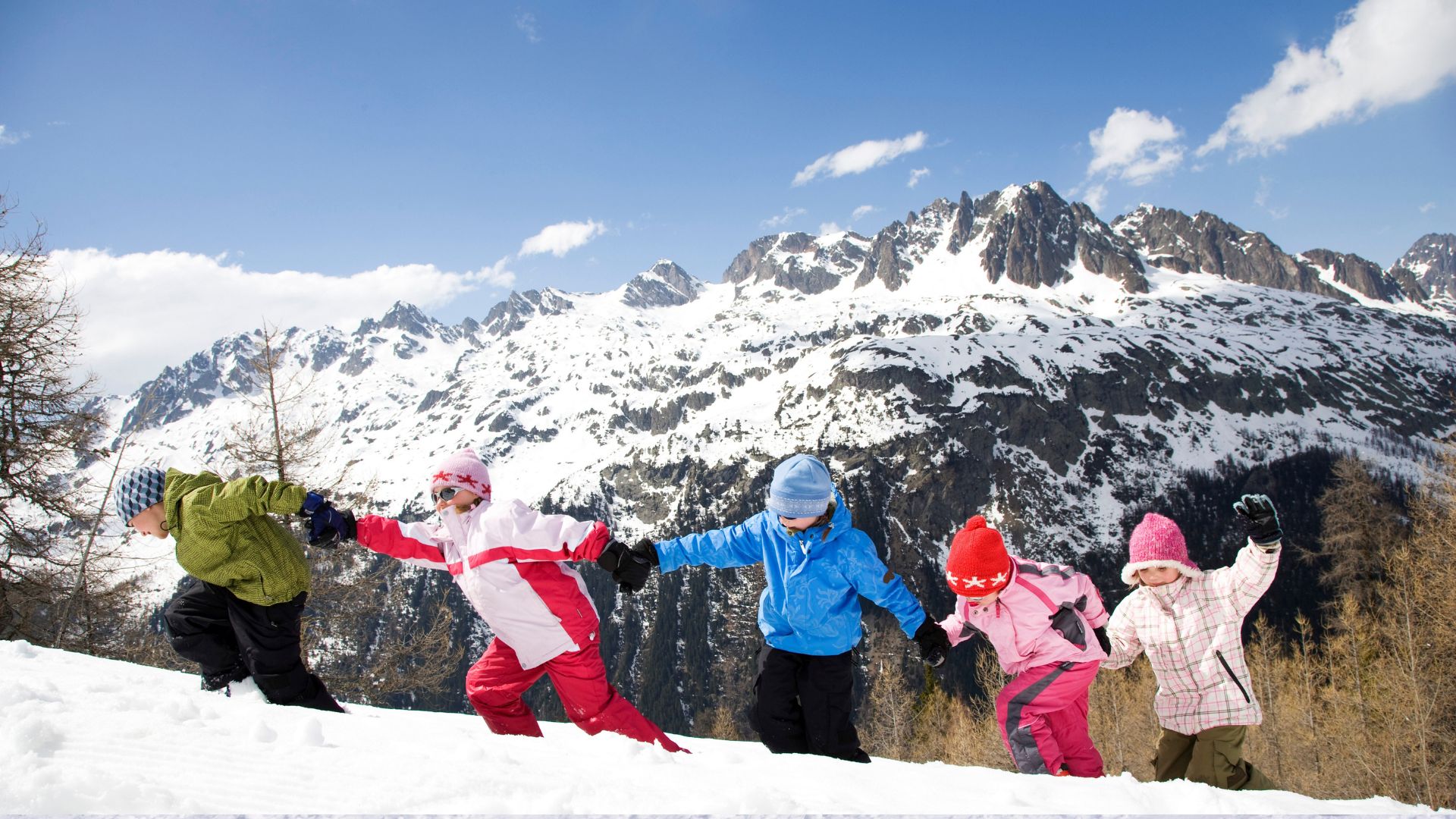
Best Kids Ski Schools: A Parent’s Complete Guide
Teaching your child how to ski is about more than just learning a new sport—it’s...
read More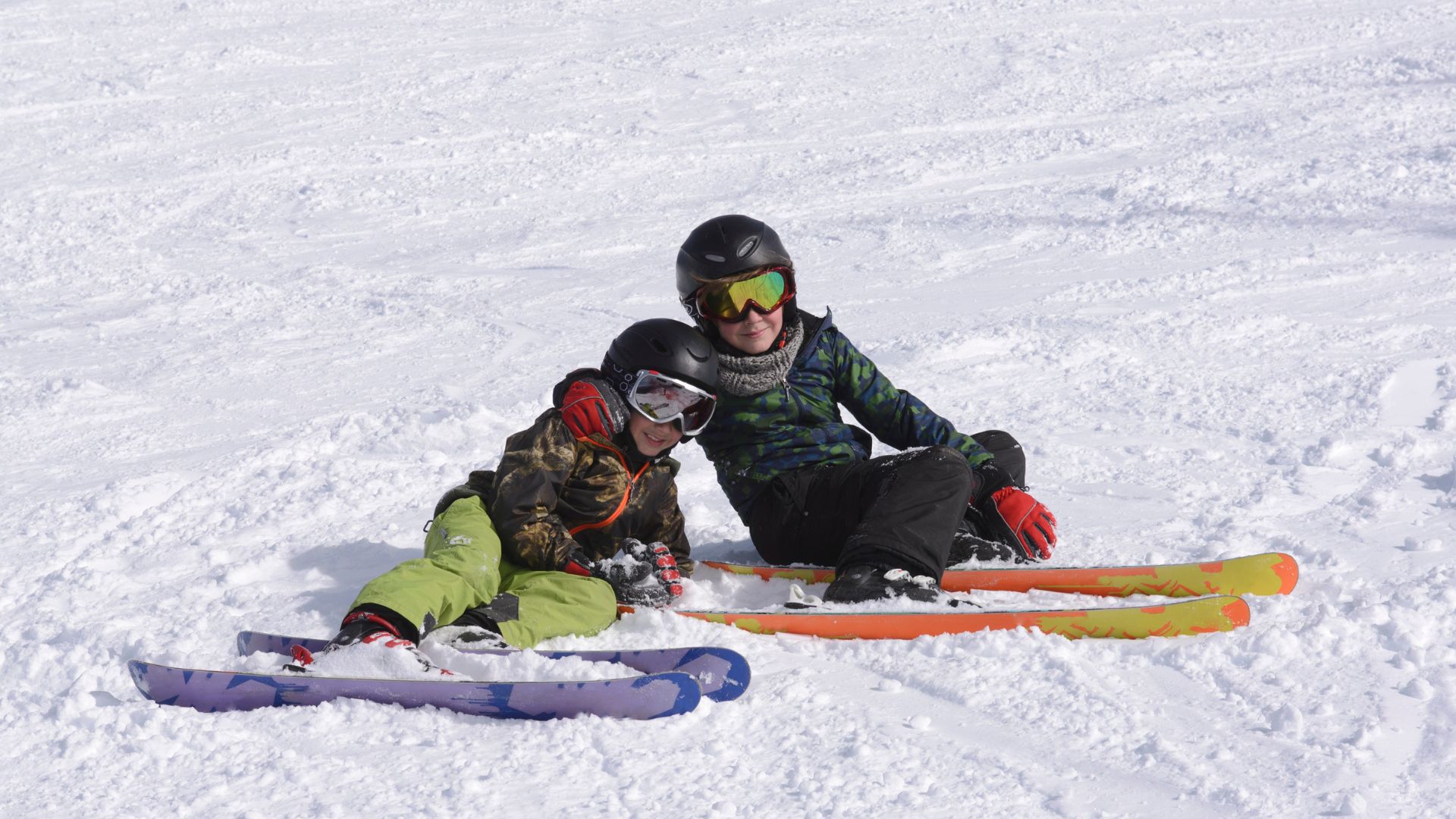
Adventure Ski & Snowboard School: Everything You Need to Know
Winter sports offer more than just excitement—they create confidence, discipline, and unforgettable experiences. Choosing an...
read More
Best Ski Schools for Kids: What Truly Matters for Young Skiers
When children learn to ski the right way, it can shape how they feel about...
read More
Understanding Skiing Boarding Schools and How They Work
Education does not always follow a traditional classroom-only path. For students who thrive in structured...
read More