What Is the Difference Between Alpine and Freestyle Skiing?

July 22, 2025 | Alpine Skiing, Freestyle Skiing

Skiing is more than just a winter sport — it’s a whole world of adrenaline, skill, and variety. Among the many types of skiing, two of the most popular and widely practiced disciplines are alpine skiing and freestyle skiing. While they both involve gliding down snowy slopes, they are vastly different in technique, purpose, equipment, and style.

In this article, we’ll break down what is the difference between alpine and freestyle skiing, helping you understand which discipline fits your personality, goals, and skiing experience. Whether you’re a beginner, an aspiring competitor, or simply someone curious about the different skiing styles, this guide will answer all your questions.

Basics of Alpine Skiing and Freestyle Skiing

Let’s start with the foundations.

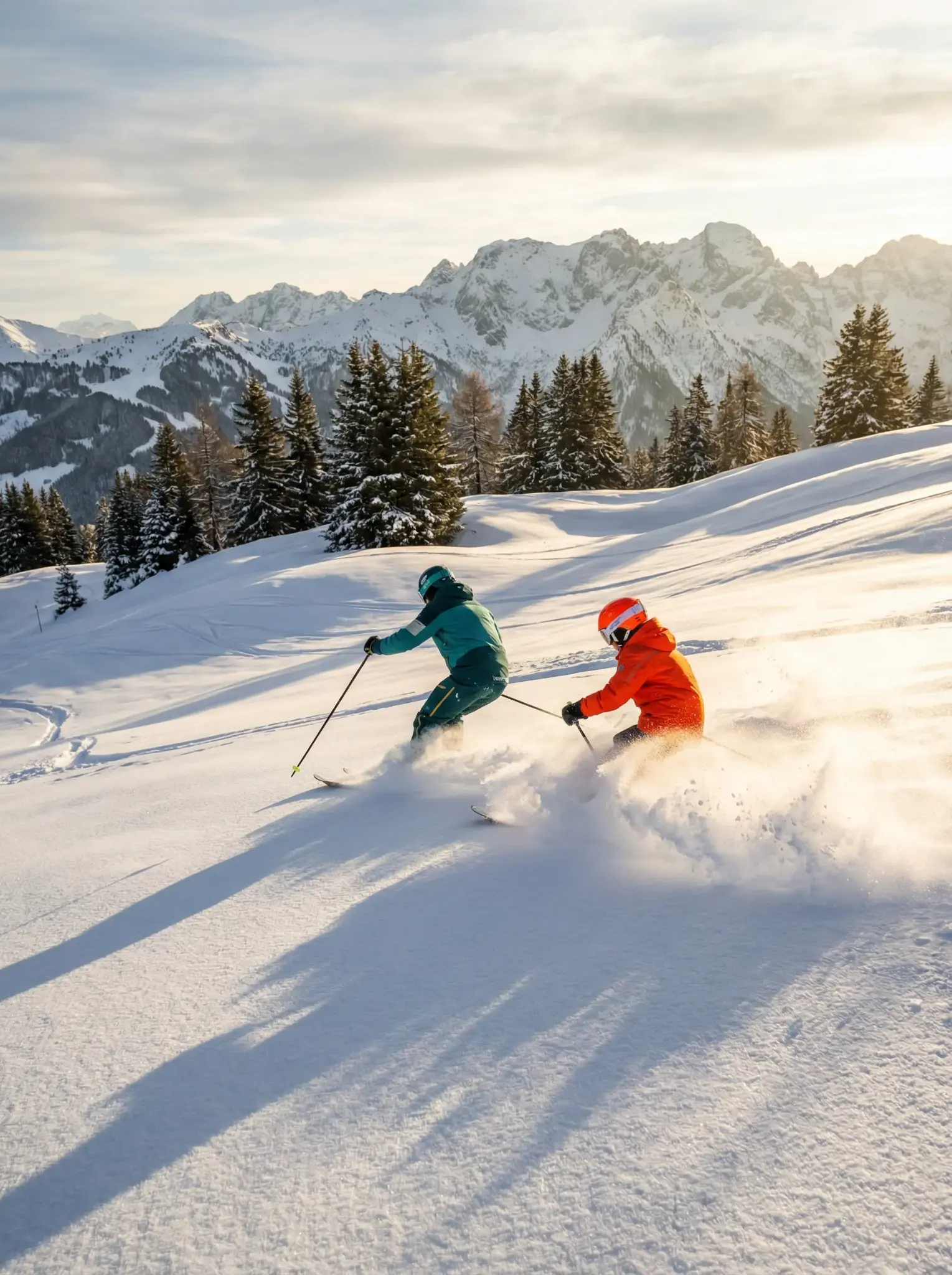
Alpine skiing, also known as downhill skiing, is one of the oldest and most traditional types of skiing. It involves skiing down groomed slopes with fixed-heel bindings that keep the boot securely attached to the ski. The primary goal is speed and control.

Freestyle skiing, on the other hand, is a newer ski discipline that combines skiing with artistic and acrobatic moves. It’s all about expressing creativity through jumps, flips, and spins, usually performed on terrain parks or special courses. It includes sub-disciplines like moguls, slopestyle, halfpipe, aerial, and big air.

While both are performed on snow and use poles and skis, they offer completely different skiing experiences.

Purposes of Alpine and Freestyle Skiing

The core objective behind each type of skiing says a lot about its nature.

  • Alpine skiing is focused on speed, precision, and timing. It’s often a competitive sport involving races like slalom, giant slalom, super-G, and downhill events. Whether in a ski resort or the Olympic Games, the emphasis is on finishing the course as fast as possible.
  • Freestyle skiing is about performance and creativity. Athletes are judged based on aerial maneuvers, technique, difficulty, and style. It’s more about how impressively you ski than how fast.

So, while alpine skiing tests your racing skills, freestyle skiing evaluates your ability to perform stylish tricks in the air.

Techniques Used in Alpine vs. Freestyle Skiing

Each discipline requires a different set of skiing techniques.

In alpine skiing, the emphasis is on tight turns, edge control, weight distribution, and carving. The skier must shift their body efficiently to navigate gates or steep slopes at high speed. You’ll often see deep carvings with minimal vertical movement.

In freestyle skiing, technique varies by event. In mogul skiing, skiers use rapid, short turns while maintaining rhythm over bumps, and perform aerials off jumps. In slopestyle and halfpipe, the focus shifts to jumps, grabs, spins, and rail slides, requiring excellent balance and agility.

Simply put, alpine skiing is more about grip and speed, while freestyle skiing is about air, style, and adaptability.

 Types of Equipment Used in Each Skiing Discipline

There are notable differences in bindings, skis, and poles used in these two skiing types.

  • Alpine ski gear includes stiff boots, fixed-heel bindings, and directional skis that help maintain control at high speeds. The skis are usually longer, with a narrow waist and a sidecut designed for turning.
  • Freestyle skiing equipment is designed for flexibility and shock absorption. Skis are typically twin-tipped (upturned at both ends) to allow skiing backward (switch). Boots are softer, and bindings allow more movement. Poles are optional in some freestyle events.

In freestyle, especially in terrain parks, helmets and padded gear are also essential due to the nature of aerial stunts and performing aerial tricks.

What Are the Differences in Terrain and Slopes?

Alpine skiing is mainly performed on marked slopes and trails within a ski resort. The terrain is groomed, and courses are clearly defined with gates or poles.

In contrast, freestyle skiing often takes place in terrain parks or specially constructed competition zones. These areas feature jumps, rails, halfpipes, and moguls. Some freestyle events also happen on off-piste skiing or backcountry terrain, though it’s less common.

Terrain for alpine is fast and smooth, while freestyle terrain is dynamic and built for tricks.

How Are Alpine and Freestyle Skiing Judged in Competition?

Alpine skiing competitions are time-based. Skiers are judged solely on their finish times. Missing a gate or falling means disqualification or time penalties. It’s clear-cut and objective.

Freestyle skiing competitions are judged on:

  • Difficulty of tricks
  • Execution and technique
  • Creativity and style
  • Landing quality

Each skiing event has scoring rules. For example, in aerial competitions, judges score the jump based on the height, flips, and the skier’s landing. In slopestyle, a skier’s run across multiple features is judged holistically.

Which Discipline Is More Beginner-Friendly?

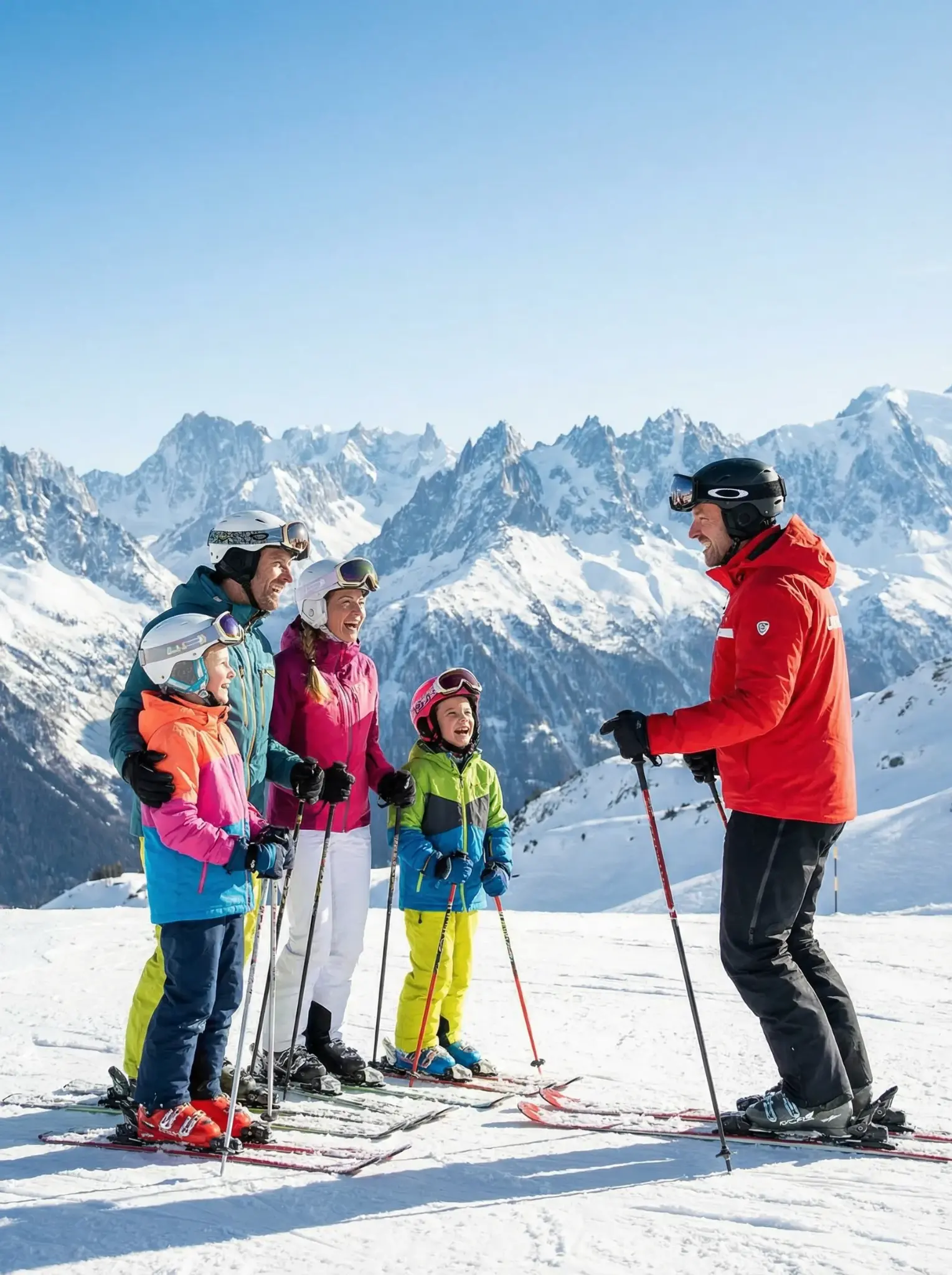
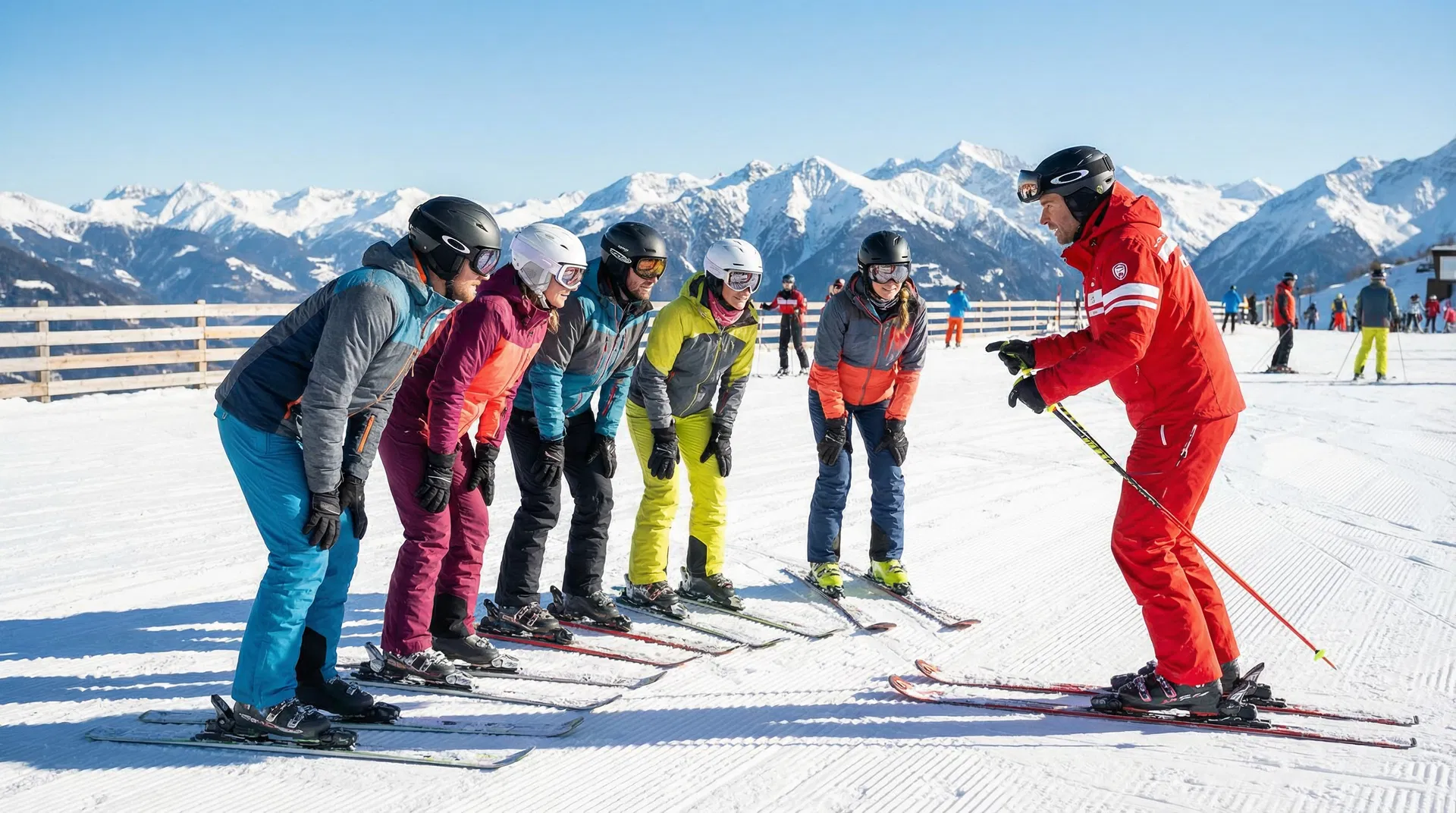
If you’re a beginner, alpine skiing is generally more accessible. Most ski resorts offer beginner runs (green slopes), lessons, and rental gear for those new to the sport. The structured environment helps ease learning.

Freestyle skiing typically requires more skiing skills before attempting. Trying jumps or rails without foundational skills can be dangerous. That said, once you’re comfortable on skis, freestyle offers a fun, creative way to level up your skiing experience.

How Are Alpine and Freestyle Featured in the Winter Olympics?

Both disciplines are major highlights of the Winter Olympics, but they appear in different forms:

Alpine Skiing Events:

  • Slalom
  • Giant Slalom
  • Super-G
  • Downhill
  • Alpine skiing competition for both men and women

Freestyle Skiing Events:

  • Moguls
  • Aerials
  • Slopestyle
  • Big Air
  • Halfpipe
  • Ski cross

Alpine ski events are usually about speed and time. In contrast, freestyle skiing is where the crowd sees spectacular jumps and flips. Both are thrilling, but for different reasons.

Type of Skiing You Should Choose: Alpine or Freestyle

If you:

  • Enjoy speed, control, and racing → Try alpine skiing
  • Love jumps, tricks, and being expressive → Go for freestyle skiing

Alpine ski disciplines are great for those who like structure, progression, and pushing limits through precision. It’s perfect if you enjoy competitive racing or descending from the top of a mountain with grace and efficiency.

Freestyle skiing suits adventurers, creatives, and adrenaline junkies. If you come from a snowboarding background, it may feel more natural.

Some skiers enjoy both — starting with alpine and adding freestyle to their skillset for more variety.

Can You Transition Between the Two Skiing Styles?

Yes — many do.

Starting with alpine skiing builds your base: control, carving, and balance. Once you’re confident, transitioning to freestyle skiing becomes easier. You’ll need to adapt to new equipment like twin-tip skis and develop aerial awareness, but the fundamentals overlap.

In fact, many pro freestyle skiing athletes began as alpine skiers before making the switch. And vice versa — some freestyle skiers move into alpine touring or backcountry skiing as they seek new challenges.

Conclusion

Alpine and freestyle skiing may share the same snowy playground, but they offer completely different experiences. Alpine skiing is all about speed, structure, and control—ideal for those who love precision and racing. Freestyle skiing, on the other hand, thrives on creativity, agility, and flair, attracting those who seek thrills, jumps, and style.

Whether you’re drawn to the clean, fast lines of alpine or the expressive, gravity-defying tricks of freestyle, understanding the disfferences helps you choose the path that suits your personality and goals. And if you’re adventurous enough, there’s no rule saying you can’t enjoy the best of both worlds.

cross‑country skiing
Cross‑Country Skiing: Techniques for Beginners

Cross‑country skiing is an exciting and rewarding winter sport that offers both a great workout...

read More
Snowboarding Boots
Snowboarding Boots: Essential Gear for 2026

Snowboarding boots are an essential part of your snowboarding gear, offering comfort, support, and performance...

read More
Best Kids Ski Schools
Best Kids Ski Schools: A Parent’s Complete Guide

Teaching your child how to ski is about more than just learning a new sport—it’s...

read More
Adventure Ski & Snowboard School
Adventure Ski & Snowboard School: Everything You Need to Know

Winter sports offer more than just excitement—they create confidence, discipline, and unforgettable experiences. Choosing an...

read More
Best Ski Schools for Kids
Best Ski Schools for Kids: What Truly Matters for Young Skiers

When children learn to ski the right way, it can shape how they feel about...

read More
Skiing Boarding Schools
Understanding Skiing Boarding Schools and How They Work

Education does not always follow a traditional classroom-only path. For students who thrive in structured...

read More

Help Us Improve Our Accuracy

If you are aware of an error or have a correction please do not hesitate to let us know using the form below or send us an email at error@findaskischool.com We aim to provide the most up-to-date information on our pages and our communities member’s input is key to this.

Activities
Activities
Available Languages
Languages
Experience Levels
Experience Levels
Age Ranges
Accepted Age Ranges
Select a Country
Countries
Select a Country
Countries