How to Avoid Altitude Sickness While Skiing
October 24, 2025 | Skiing Tips
Skiing is an exhilarating winter sport, but for many, skiing at high altitude can bring a hidden risk: altitude sickness while skiing. Understanding how to prevent and manage it is crucial for a safe and enjoyable experience. In this guide, we’ll explore expert advice on how to avoid altitude sickness while skiing, along with practical tips for altitude sickness prevention, preparing for high-altitude skiing, and remedies to help you stay safe on the slopes.
Understanding Altitude Sickness
Altitude sickness, also known as acute mountain sickness, occurs when your body struggles to adjust to lower oxygen levels at higher elevations. Common causes of altitude sickness include ascending too quickly, dehydration, physical exertion, and lack of acclimatisation. Symptoms often appear within hours and can range from mild headaches, nausea, and dizziness to severe complications in rare cases.
Recognising the signs early allows you to take preventive action before your ski trip becomes uncomfortable or unsafe.
How to Prepare for High-Altitude Skiing
Proper preparation is the first step in altitude sickness prevention. Follow these essential tips before you hit the slopes:
- Gradual Ascent: Avoid going straight from a low altitude to a high ski resort. Spend a day or two at a moderate elevation to acclimatise.
- Stay Hydrated: Drink plenty of water and avoid alcohol or excessive caffeine. Hydration helps your body adjust more efficiently.
- Balanced Diet: Eat light, carbohydrate-rich meals to provide your body with extra energy at high altitudes. Avoid heavy or greasy foods.
- Rest and Sleep: Fatigue can worsen symptoms, so ensure adequate sleep before and during your skiing trip.
- Fitness Level: Being physically prepared improves endurance and tolerance to high altitudes. Consider light cardio exercises leading up to your trip.
Practical Tips for Skiing at High Altitude
Once at the ski resort, taking preventive measures can make all the difference in how to avoid altitude sickness while skiing:
- Start Slowly: Begin with easier runs and low-intensity skiing to allow your body to adjust.
- Monitor Symptoms: Headaches, nausea, and dizziness are early signs. Don’t ignore them. Descend immediately if symptoms worsen.
- Use Supplemental Oxygen: Some resorts offer oxygen stations, which can provide relief if required.
- Medication: For frequent high-altitude skiers, consult a doctor about acetazolamide (Diamox) for prevention.
Book your ski lessons today with Find a Ski School and enjoy safe, high-altitude skiing!
Remedies for Altitude Sickness
If symptoms appear, several remedies for altitude sickness can help you recover:
- Rest and Descend Slowly: Taking a break or moving to a lower elevation is the most effective remedy.
- Hydrate and Eat Lightly: Drink water and eat easily digestible foods to maintain energy levels.
- Medication: Over-the-counter painkillers may help with headaches, but they don’t treat the underlying cause.
- Avoid Smoking: Smoking reduces oxygen intake, worsening symptoms.
Choosing the Right Ski Resorts
For beginners or those prone to altitude sickness, consider ski resorts with low elevation. Skiing at lower altitudes reduces the risk while still offering excellent slopes and winter fun. Resorts with gentle terrain are ideal for practising how to prepare for high-altitude skiing before attempting more challenging runs.
FAQs About Altitude Sickness While Skiing
Q1: Can altitude sickness affect anyone skiing at high elevations?
Yes, anyone can experience altitude sickness while skiing, regardless of age or fitness, although acclimatisation reduces risk.
Q2: How long does it take to acclimatise at high altitude?
Most people adapt within 24–48 hours. Gradual ascent and proper hydration speed up the process.
Q3: Are children more prone to altitude sickness?
Children can be susceptible. Monitor them closely and ensure proper rest, hydration, and gradual exposure to higher slopes.
Q4: Can I continue skiing if I feel mild symptoms?
It’s best to rest or descend. Ignoring symptoms may lead to severe complications.
Ready to hit the slopes safely? Plan your lessons with Find a Ski School for expert guidance!
Conclusion
How to avoid altitude sickness while skiing requires preparation, awareness, and gradual adaptation. By understanding the causes of altitude sickness, following preventive tips, and knowing remedies, you can fully enjoy your high-altitude ski adventure with confidence. Always listen to your body, plan accordingly, and make safety your top priority.
With these strategies and the right ski school guidance from Find a Ski School, you can make your winter skiing experience both thrilling and safe.
More Posts
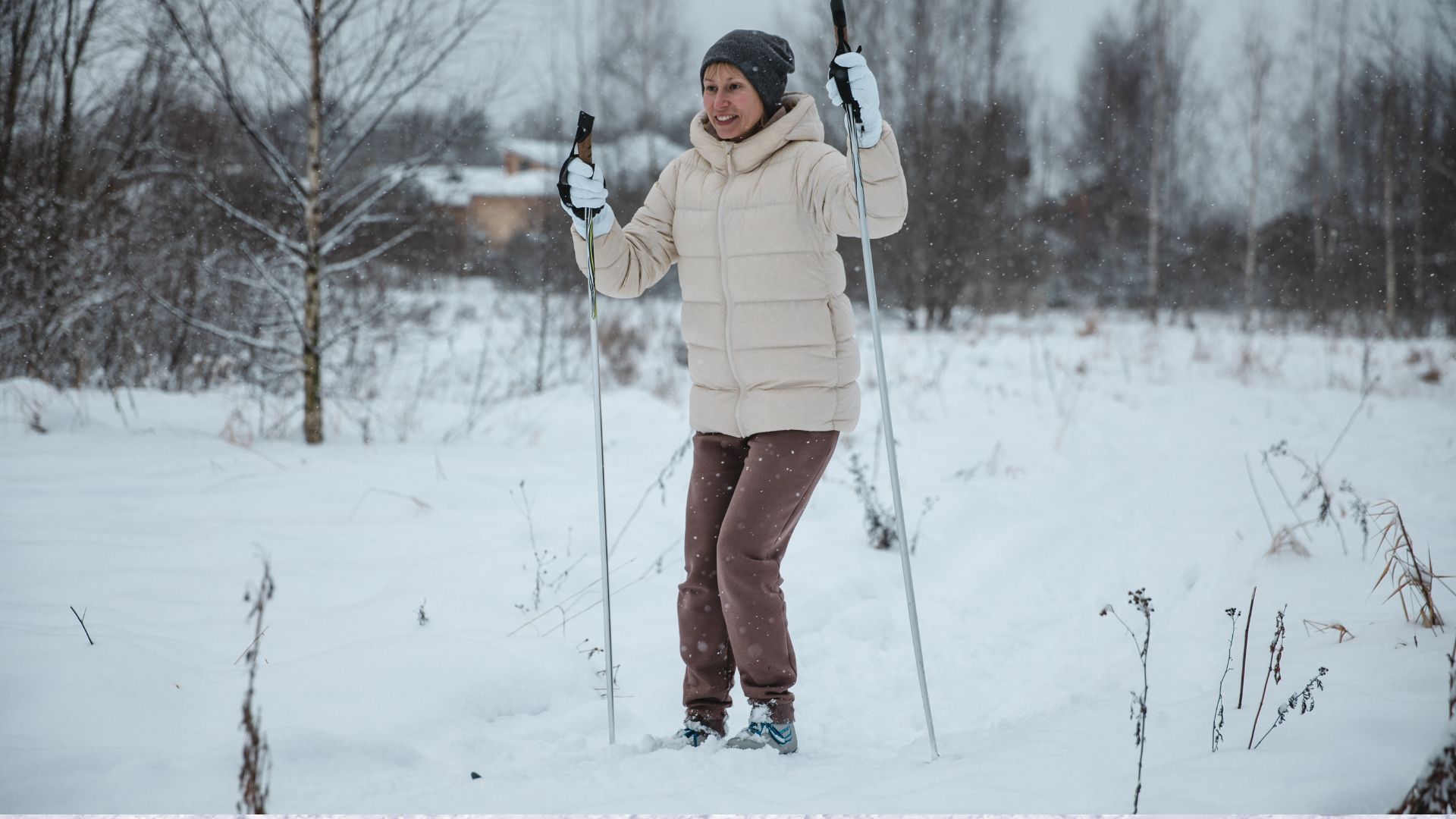
Cross‑Country Skiing: Techniques for Beginners
Cross‑country skiing is an exciting and rewarding winter sport that offers both a great workout...
read More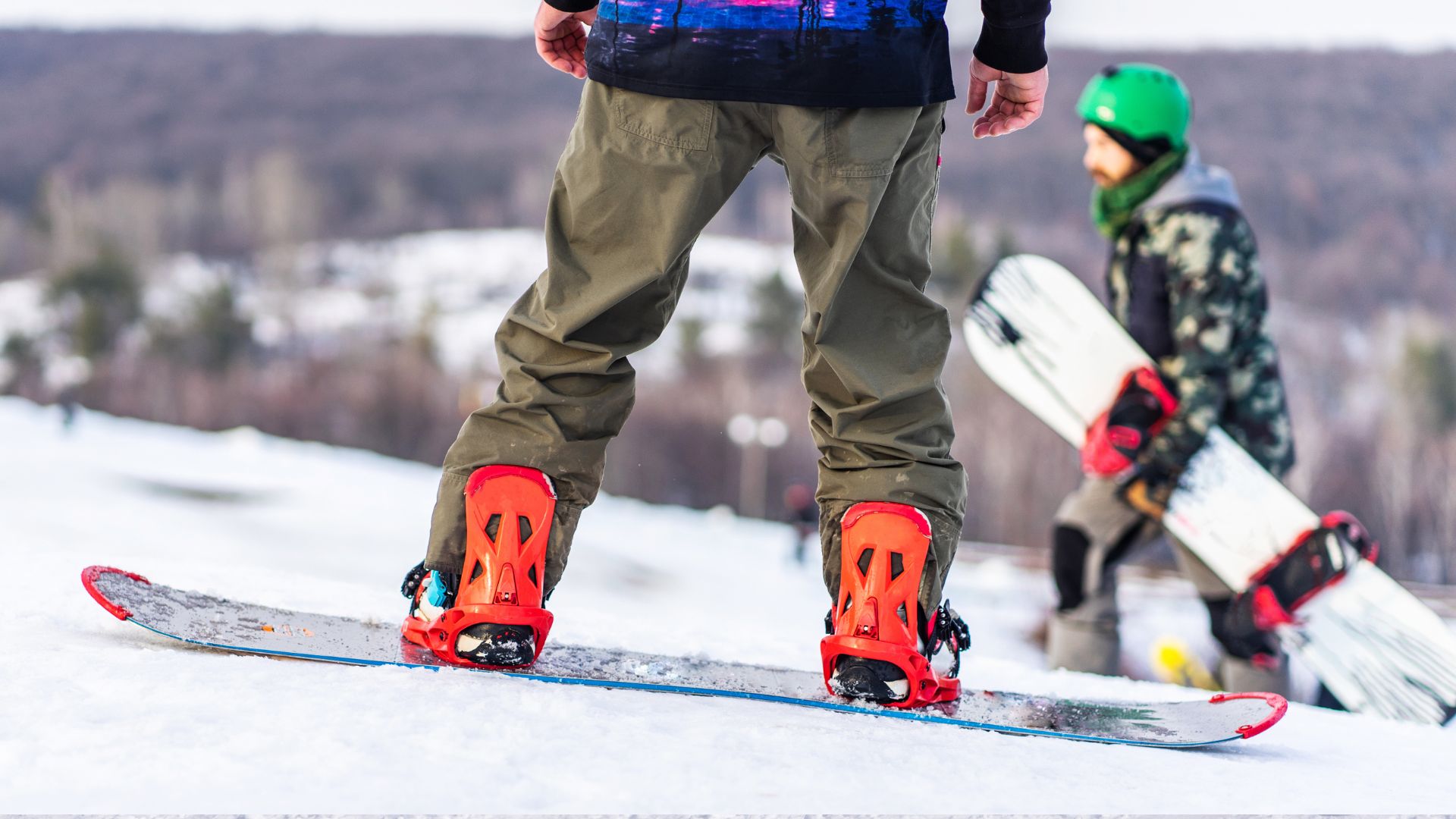
Snowboarding Boots: Essential Gear for 2026
Snowboarding boots are an essential part of your snowboarding gear, offering comfort, support, and performance...
read More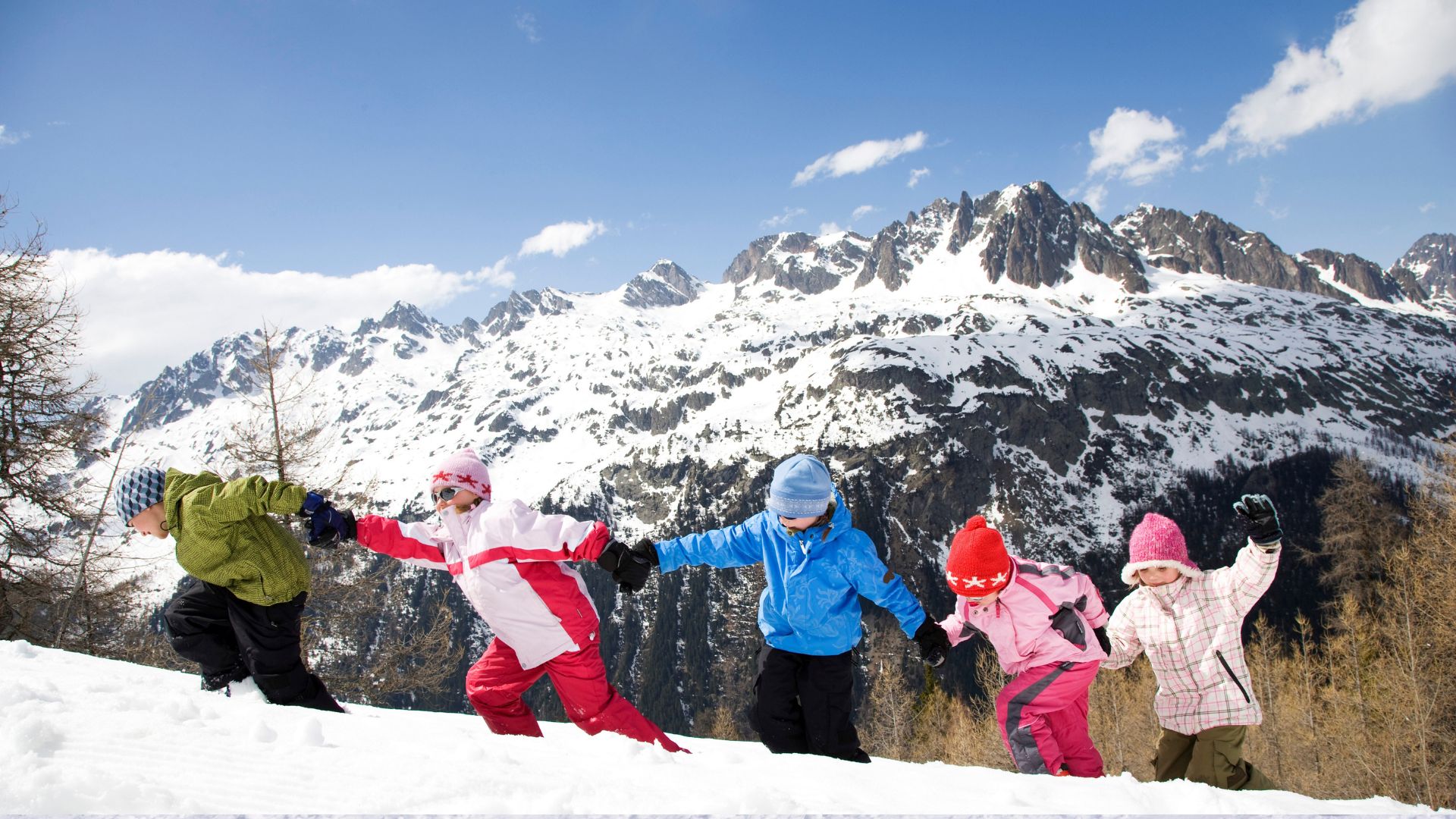
Best Kids Ski Schools: A Parent’s Complete Guide
Teaching your child how to ski is about more than just learning a new sport—it’s...
read More
Adventure Ski & Snowboard School: Everything You Need to Know
Winter sports offer more than just excitement—they create confidence, discipline, and unforgettable experiences. Choosing an...
read More
Best Ski Schools for Kids: What Truly Matters for Young Skiers
When children learn to ski the right way, it can shape how they feel about...
read More
Understanding Skiing Boarding Schools and How They Work
Education does not always follow a traditional classroom-only path. For students who thrive in structured...
read More