
Advanced Skiing Mistakes to Avoid for Better Technique and Safety
May 28, 2025 | Advanced Skiing Tips, Skiing
Advanced skiing is an exciting and challenging stage of your skiing journey. As an intermediate to advanced skier, you push your skills on steeper slopes, varied terrain, and faster speeds. However, even experienced skiers can fall into common mistakes that hold back their progress or increase injury risk. This post covers the most frequent advanced skiing mistakes and shares expert advice to help you improve your skiing technique, balance, and control.
If you want to fine-tune your skills, avoid frustrating pitfalls, and ski more confidently, this ultimate guide to advanced skiing mistakes is for you.
Most common mistakes advanced skiers make
As you advance from intermediate to advanced skiing, common mistakes like leaning too far back can reduce control and cause the skis to skid. Keeping your weight centered and forward is key for balance on steep slopes and quick turns. Many skiers also misuse their poles, which are essential for timing turns and maintaining rhythm. Additionally, jerky turn transitions and stiff knees lead to awkward skiing. Avoiding these errors will help you ski more smoothly and confidently.
Mistake 1: Leaning Too Far Back
One of the most common mistakes advanced skiers make is leaning too far back. When your weight shifts behind your feet, your skis lose effective edge contact with the snow. This causes skidding, less control, and instability, especially on steeper or faster slopes.
To fix this, focus on keeping your weight centered over the midfoot, slightly forward over the big toe area. Press your shins gently into the front of your boots to encourage a forward stance. This ensures better contact with the snow, improves your edge angle, and helps maintain control during turns.
Mistake 2: Stiff Knees and Ankles
Failing to maintain proper flex in your knees and ankles is a critical error. When your legs are too stiff, you lose the ability to absorb bumps and changes in terrain. This reduces your control and makes skiing exhausting.
Keep your knees and ankles flexed, allowing for smooth flexing and extending motions. This dynamic movement helps absorb shocks, maintain constant pressure on your skis, and improve your turn shape. Practicing flexion drills on gentler slopes can help develop this essential skill.
Mistake 3: Poor Balance and Weight Distribution
Balance is crucial in advanced skiing. Many skiers tend to over-rely on their ski poles or upper body for stability, which compromises their balance and weight distribution.
Improving your balance starts with engaging your core and focusing on keeping your center of mass over your skis. Practice skiing on one ski or carving turns to develop leg strength and stability. Good balance allows you to maintain pressure on your edges and respond effectively to terrain changes.
Mistake 4: Incorrect Use of Ski Poles
Using your ski poles incorrectly is a subtle but impactful mistake. Many advanced skiers plant their poles too late, too early, or without rhythm, disrupting their skiing flow.
The key is to plant your poles just before the start of a new turn. This timed pole plant initiates your turn transition and guides your upper body smoothly into the next movement. Proper pole usage is especially important on challenging terrain where rhythm is critical.
Mistake 5: Twisting the Upper Body
A stable and quiet upper body is essential for precise skiing. A common mistake is twisting your shoulders or turning your head across the slope instead of facing downhill.
Keep your shoulders and head aligned with the slope direction. This helps isolate leg movement for sharper turns and better control. Looking ahead downhill also improves your anticipation of terrain changes.
Mistake 6: Jerky Turn Transitions
Abrupt or jerky turn transitions waste energy and reduce efficiency. Instead of a smooth release and application of pressure between turns, many skiers make sudden movements that interrupt their flow.
Focus on extending your legs towards the end of the turn and then smoothly flexing to begin the next. Keep weight shifting gradually from one ski to the other and maintain consistent edge pressure throughout.
Mistake 7: Not Adjusting to Steep or Variable Terrain
Steep and variable terrain requires quick adaptation. Some advanced skiers try to use the same technique everywhere, leading to control loss.
On steep slopes, use shorter, quicker turns with consistent flex and maintain a forward stance. Adjust your edge angle and pressure on the outside ski according to snow conditions. These adjustments improve grip and control on moguls, icy patches, or variable snow.
Mistake 8: Neglecting Pressure Control and Edge Angle
Controlling pressure on your skis and fine-tuning your edge angle is crucial for carving and speed management. Too little pressure causes skids, while excessive edge angle without control leads to falls.
Work on applying steady pressure on your outside ski during turns, increasing your edge angle smoothly through the apex of each turn. This helps you maintain grip and control on various snow types and slopes.
Mistake 9: Overlooking Drill Practice and Technique Refinement
Even advanced skiers can improve by practicing drills. Skipping targeted exercises means missing opportunities to fix mistakes.
Try drills focused on flexing and extending, balance, and pole planting to develop muscle memory and refine your technique. Regular feedback, especially through a ski school or instructor, accelerates progress.
Mistake 10: Failing to Maintain Focus and Rhythm
Lastly, losing focus or rhythm during skiing can cause many errors. Advanced skiing requires consistent attention to technique, timing, and terrain.
Stay mentally engaged, maintain a steady rhythm with your turns, and adapt smoothly to changes in slope or conditions. This will improve endurance and overall skiing quality.
Conclusion
Advancing your skiing skills means paying close attention to common mistakes that can hold you back. Leaning too far back, misusing ski poles, and stiff, jerky turns all reduce your control and make skiing more difficult, especially on challenging terrain. By keeping your weight centered and forward, using your poles to maintain rhythm, and focusing on smooth, flexible turn transitions, you’ll greatly improve your technique.
Remember, becoming an advanced skier takes time and practice. Avoiding these mistakes will not only help you ski more efficiently but also increase your confidence and enjoyment on the slopes. Keep refining your skills, stay mindful of your body position, and embrace the challenge—your progress will be well worth it.
More Posts
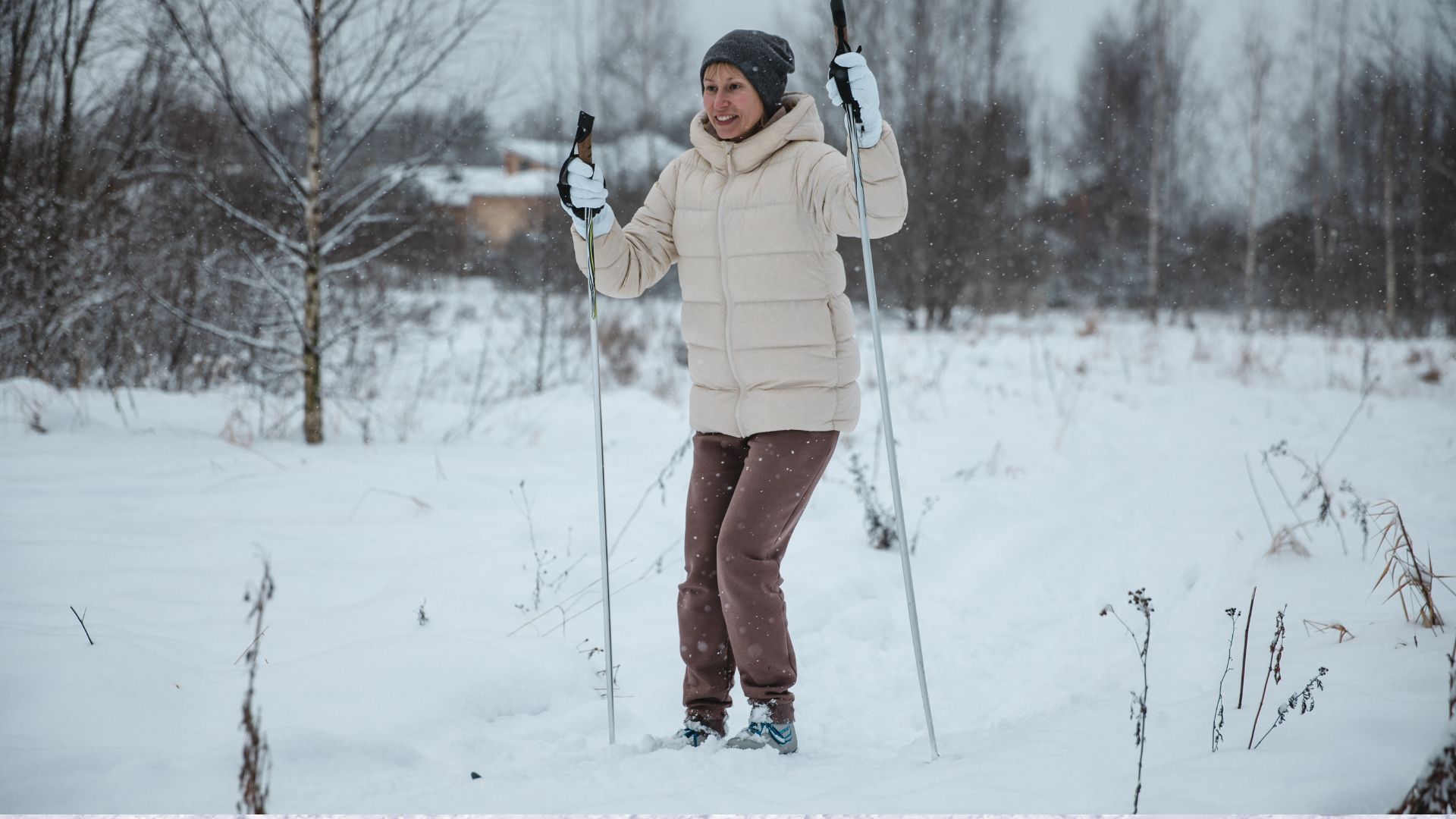
Cross‑Country Skiing: Techniques for Beginners
Cross‑country skiing is an exciting and rewarding winter sport that offers both a great workout...
read More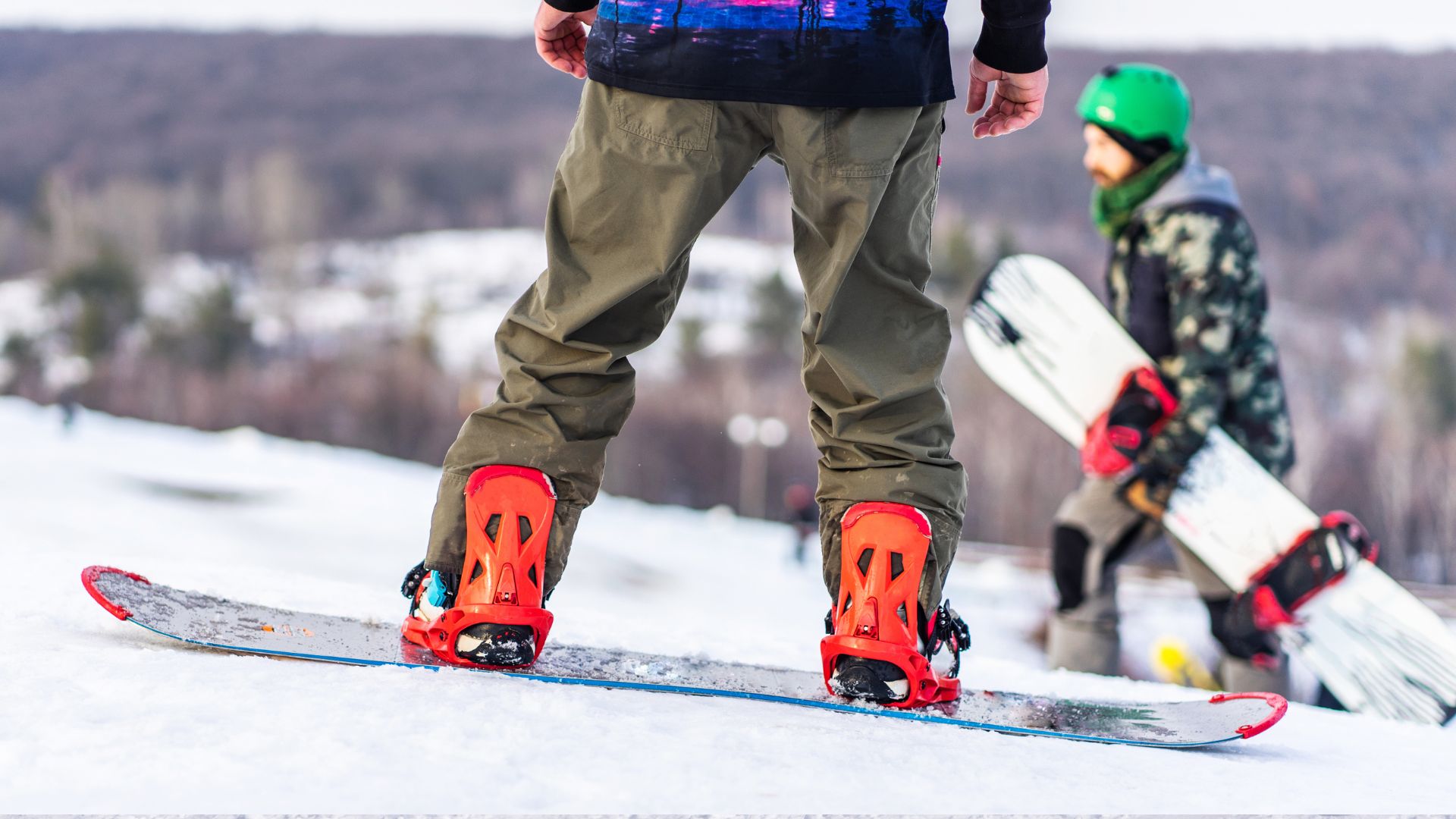
Snowboarding Boots: Essential Gear for 2026
Snowboarding boots are an essential part of your snowboarding gear, offering comfort, support, and performance...
read More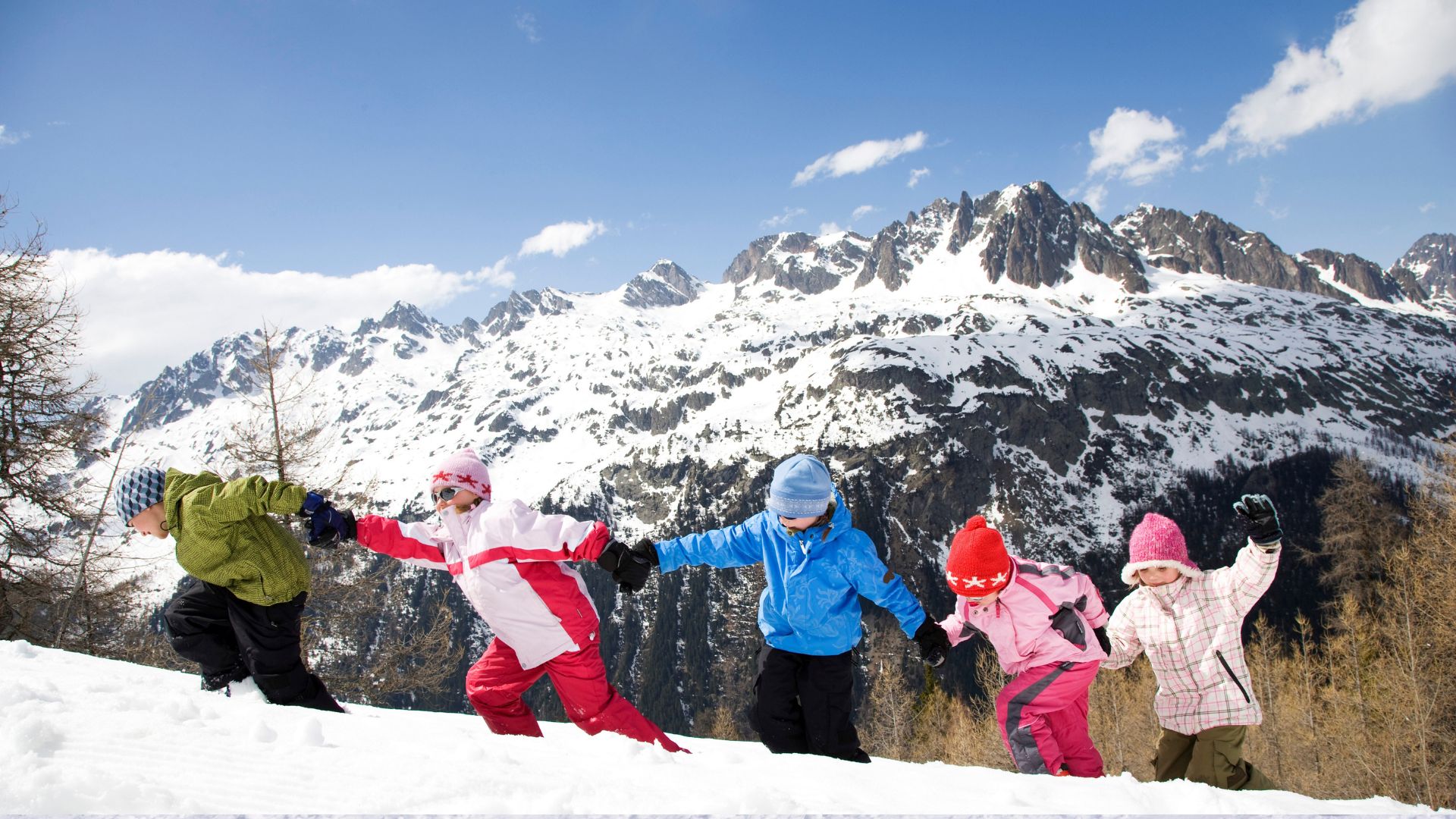
Best Kids Ski Schools: A Parent’s Complete Guide
Teaching your child how to ski is about more than just learning a new sport—it’s...
read More
Adventure Ski & Snowboard School: Everything You Need to Know
Winter sports offer more than just excitement—they create confidence, discipline, and unforgettable experiences. Choosing an...
read More
Best Ski Schools for Kids: What Truly Matters for Young Skiers
When children learn to ski the right way, it can shape how they feel about...
read More
Understanding Skiing Boarding Schools and How They Work
Education does not always follow a traditional classroom-only path. For students who thrive in structured...
read More