
The Caloric Impact of Skiing: Does It Really Burn Calories?
September 10, 2024 | Skiing Fitness
Understanding the Caloric Impact of Skiing
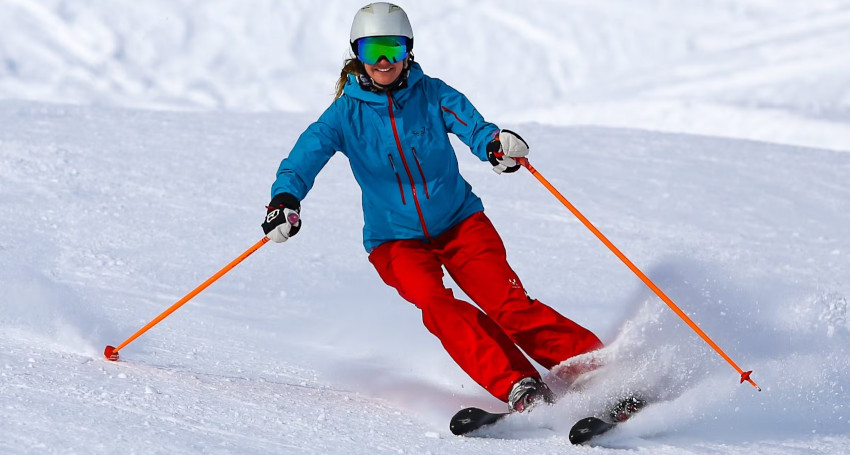
Skiing, a popular winter sport, is renowned for its substantial caloric burn, contributing significantly to energy expenditure. This high-intensity physical activity demands considerable physical exertion, leading to a remarkable number of calories burned. The caloric impact of skiing is influenced by various factors such as the intensity of the exercise, the individual’s weight, and environmental conditions. The estimation of calories burned during skiing can be achieved through wearable technology that monitors heart rate and calculates the estimated energy expenditure. For a more precise understanding of the caloric impact of this winter sport, laboratory studies can provide metabolic measurements. These studies measure an individual’s oxygen consumption and carbon dioxide production while skiing, which can then be used to calculate the calories burned. Skiing’s caloric impact extends beyond weight loss. This winter sport engages multiple muscle groups, enhancing strength and endurance. The high-intensity nature of this physical activity boosts cardiovascular health by elevating heart rate and improving blood flow, contributing to overall fitness and health.
What is a calorie and a kilojoule?
A calorie, often used to quantify the energy content of foods and beverages, is a unit of energy. Scientifically, a calorie is defined as the amount of energy needed to increase the temperature of one gram of water by one degree Celsius. However, in the realm of nutrition and exercise, calorie typically refers to kilocalories, which equate to 1,000 small calories. Contrarily, a kilojoule is an energy unit utilized in the International System of Units (SI). One kilojoule equals 1,000 joules. Regarding dietary energy, one kilocalorie corresponds to approximately 4.184 kilojoules. Hence, when comparing the energy content of foods or the energy expenditure of physical activities like skiing, it is crucial to ensure consistent units of measurement. Understanding these energy units is vital in comprehending the energy balance in the human body. The energy intake from food and beverages must equal the energy expenditure through basal metabolic rate, digestion, and physical activity to maintain a healthy body weight.
Does skiing qualify as good exercise?
Skiing is indeed an excellent form of exercise, offering both cardiovascular and strength-training benefits. This physical activity engages multiple muscle groups, including the core, legs, and arms, leading to improved strength and endurance. The high-intensity nature of skiing results in a significant calorie burn, contributing to weight loss and overall health. In addition to the physical benefits, skiing also provides mental health advantages. The outdoor environment and the focus required in this winter sport can alleviate stress and enhance mood. Furthermore, skiing is a social activity that can be enjoyed with friends and family, contributing to improved social well-being. However, it is essential to approach skiing with caution, like any exercise. The use of proper equipment, including helmets and protective gear, is crucial to prevent injuries. Individuals should ensure they are physically fit and adequately hydrated before engaging in this winter sport. Regular breaks are also recommended to prevent overexertion and fatigue.
Analyzing Calorie Burn in Different Skiing Types
Skiing, a popular winter sport, is a dynamic physical activity that significantly contributes to calorie burn and overall health. The energy expenditure associated with skiing varies depending on the type of skiing, making it a versatile fitness option. This analysis will explore the caloric burn associated with two common types of skiing: downhill and cross-country. The calorie burn during skiing is influenced by several factors, including the intensity of the exercise, duration, individual’s body weight, and environmental conditions. Winter sports like skiing often take place in cold conditions, which can increase the body’s energy expenditure and, subsequently, the calories burned. Understanding the caloric impact of skiing can be beneficial for those looking to tailor their winter fitness routines to specific goals. Whether the objective is weight loss, endurance training, or maintaining an active lifestyle, skiing can be a valuable addition to any fitness regimen.
How many calories does downhill skiing burn?
Downhill skiing, also known as alpine skiing, is characterized by periods of intense physical activity followed by rest periods. The calories burned during downhill skiing can vary greatly, depending on factors such as the skier’s weight, the intensity of the skiing, and the terrain. On average, a person weighing 150 pounds can expect to burn approximately 350 to 600 calories per hour of downhill skiing. This range accounts for variations in intensity and terrain. More challenging slopes or aggressive skiing techniques will result in a higher calorie burn. Despite the intermittent nature of downhill skiing, it remains a vigorous exercise that significantly contributes to daily energy expenditure. This winter sport can be a valuable component of a health and fitness regimen, promoting cardiovascular health and strength.
The caloric burn of cross-country skiing
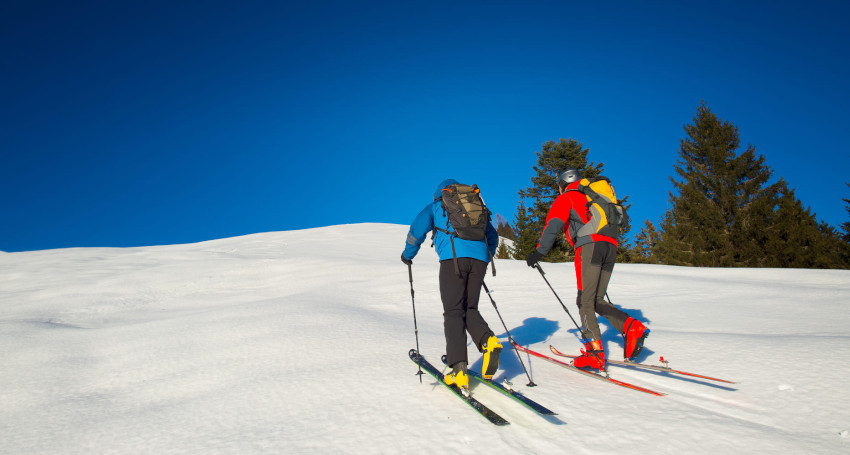
Cross-country skiing is one of the most physically demanding winter sports, engaging the entire body and requiring continuous effort. As a result, it is a highly effective exercise for burning calories. For a 150-pound individual, cross-country skiing can burn between 500 to 650 calories per hour. The higher end of this range would apply to more intense sessions, such as uphill skiing or racing. The continuous nature of cross-country skiing means that the calorie burn is sustained throughout the duration of the activity. Additionally, the full-body engagement required in cross-country skiing can lead to a greater calorie burn even after the activity has ended, a phenomenon known as the afterburn effect. This makes cross-country skiing a highly efficient exercise for energy expenditure and overall health.
Skiing vs Other Winter Sports: A Caloric Comparison
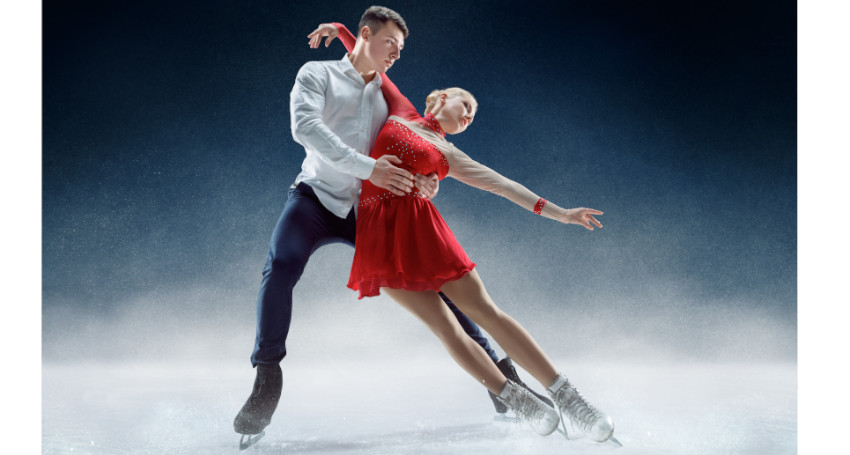
Skiing, a standout in winter sports, is renowned for its high caloric burn, making it an effective physical activity for fitness enthusiasts. The dynamic nature of skiing, coupled with the physical exertion it demands, results in considerable energy expenditure. While the exact number of calories burned during skiing can vary based on factors such as body weight, skiing technique, terrain, and speed, it is estimated that downhill skiing can burn between 300 to 600 calories per hour. This energy expenditure significantly surpasses many other winter sports, highlighting the efficacy of skiing as a calorie-burning exercise. Cross-country skiing, another variant, can burn even more calories, with estimates ranging from 600 to 1,000 calories per hour. This is due to the comprehensive workout it offers, engaging both the upper and lower body muscles. The constant movement and effort involved in cross-country skiing lead to a higher energy expenditure. In contrast, other winter sports such as ice hockey or ice skating burn fewer calories, with estimates ranging from 400 to 650 calories per hour. In conclusion, skiing, be it downhill or cross-country, is an efficient winter sport for burning calories. Its intensity and the comprehensive workout it provides make it an excellent choice for those aiming to maximize their caloric burn during the winter months, thereby contributing positively to their health and fitness levels.
Does skiing burn more calories than snowboarding?
Comparing skiing to snowboarding in terms of caloric burn reveals a difference in energy expenditure. Snowboarding, while being a demanding winter sport, generally burns fewer calories than skiing. On average, snowboarding can burn between 250 to 500 calories per hour, depending on factors such as the rider’s weight, the terrain, and the intensity of the ride. The difference in energy expenditure between skiing and snowboarding can be attributed to the differing physical demands of each sport. Skiing engages more muscles simultaneously, particularly in the core and lower body, leading to a higher caloric burn. Conversely, snowboarding primarily engages the lower body and requires less continuous movement, resulting in a lower energy expenditure. Therefore, while both skiing and snowboarding are effective exercises to burn calories during the winter months, skiing generally burns more calories. However, the choice between skiing and snowboarding should be based on personal preference, as both sports offer a fun and challenging workout contributing to one’s health and fitness.
Caloric burn in other winter sports
While skiing and snowboarding are popular choices for winter sports, there are several other options that also provide a good workout and burn calories. Ice skating, for example, can burn anywhere from 300 to 650 calories per hour, depending on the intensity of the skating. Ice hockey, another popular winter sport, can burn between 400 and 750 calories per hour. Snowshoeing, a less traditional winter sport, can also burn a significant number of calories. Depending on the speed and terrain, snowshoeing can burn between 400 and 1,000 calories per hour. This makes it comparable to cross-country skiing in terms of energy expenditure. In conclusion, while skiing and snowboarding may be the most well-known winter sports, there are several other options that also provide a good workout and burn a significant number of calories. The choice of sport should be based on personal preference, as all these sports provide a fun and challenging way to maintain physical activity during the winter months, thereby contributing to overall health and fitness.
The Role of Skiing in Weight Loss
Skiing, a prominent winter sport, plays a significant part in weight loss. This high-intensity physical activity, classified as a cardiovascular exercise, engages numerous major muscle groups, resulting in a comprehensive full-body workout. The activity of skiing is thus associated with a substantial calorie burn. The sustained effort required to navigate through snow, combined with the cold weather conditions, escalates the body’s energy expenditure, leading to a higher burn of calories. Furthermore, skiing integrates elements of resistance training, contributing to muscle development and fitness. The increase in muscle mass further amplifies the body’s metabolic rate, promoting weight loss even when the body is at rest. Additionally, the challenging nature of skiing stimulates the production of endorphins, the body’s natural mood enhancers. This can lead to a more positive mental outlook, which is often associated with successful weight loss. However, it’s vital to note that while skiing can contribute significantly to weight loss, it should not be considered a standalone solution. A balanced diet and regular exercise routine are crucial components of any successful weight loss plan. Skiing can serve as an enjoyable addition to a comprehensive health and fitness regime.
Is skiing effective for weight loss?
Skiing is indeed effective for weight loss. This winter sport is a high-energy physical activity that requires the use of large muscle groups, leading to a high caloric burn. An average person can burn between 300 to 600 calories per hour of skiing, depending on the intensity of the activity and the individual’s body weight. The resistance provided by the snow during skiing also aids in building muscle mass. This increased muscle mass can contribute to a higher resting metabolic rate, which means the body continues to burn calories even after the physical activity has ended. Hence, skiing can provide both immediate and long-term benefits for weight loss. However, the effectiveness of skiing for weight loss is contingent upon consistency and diet. Regular skiing, coupled with a balanced diet, can lead to significant weight loss over time. Conversely, occasional skiing or skiing combined with a high-calorie diet may not yield the desired weight loss results.
How many extra calories can I consume on a ski holiday without gaining weight?
The number of extra calories you can consume on a ski holiday without gaining weight largely depends on the intensity and duration of your skiing sessions. On average, a person can burn between 300 to 600 calories per hour while skiing. Therefore, if you ski for four hours a day, you could burn between 1,200 to 2,400 extra calories. However, it’s important to remember that these figures are averages and can vary greatly depending on factors such as your weight, metabolism, and the intensity of your skiing. Additionally, the body’s basal metabolic rate – the number of calories it needs to perform basic functions at rest – should also be taken into account when calculating total caloric expenditure. As such, it’s recommended to monitor your caloric intake closely during a ski holiday. While it may be tempting to indulge in high-calorie foods, maintaining a balanced diet can prevent weight gain and promote overall health. Consuming nutrient-dense foods can provide the energy required for skiing, without leading to excess calorie consumption.
Skiing as a Workout
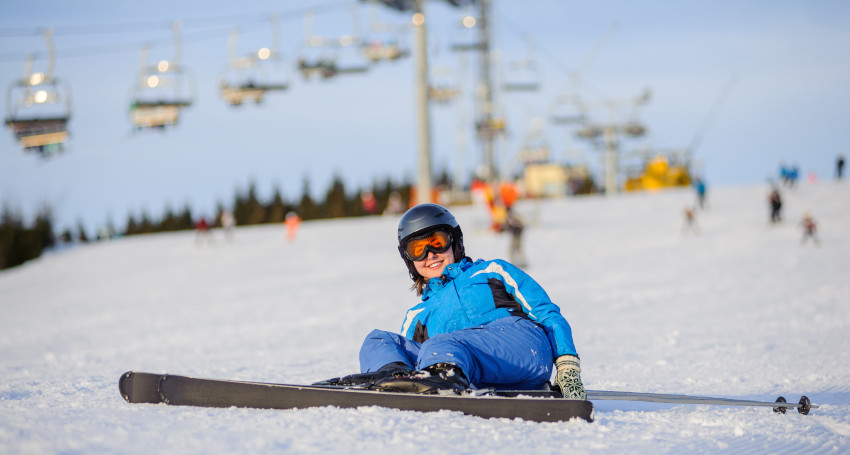
Skiing is a highly effective winter sport that serves as a comprehensive physical activity. This exercise engages diverse muscle groups and offers a robust cardiovascular fitness regimen. Skiing combines aerobic and anaerobic activities, resulting in an elevated metabolic rate. This increase in energy expenditure aids in burning calories and contributes to weight loss. The sport requires strength and endurance, making it an ideal choice for those seeking a full-body workout. The intensity of the workout derived from skiing varies depending on the type of skiing. Downhill skiing, for instance, necessitates bursts of energy and strength, particularly in the lower body. Cross-country skiing, however, is more endurance-based and engages both upper and lower body muscles extensively. Regardless of the type, skiing necessitates balance, agility, and coordination, which further enhances its benefits as a comprehensive winter sports workout. In addition to the physical benefits, skiing also offers several mental health advantages. This winter sport is known to reduce stress, improve mood, and enhance overall well-being. Furthermore, the outdoor environment in which skiing typically takes place is conducive to boosting mental health, offering a refreshing break from indoor gyms and routine workouts.
What muscles does skiing train?
Skiing as a physical activity engages a wide range of muscles, providing a comprehensive full-body workout. The primary muscles worked during skiing include the quadriceps, hamstrings, calves, glutes, core, and upper body muscles. The quadriceps and hamstrings are particularly engaged during downhill skiing as they help control the skier’s movements and maintain balance. The core muscles, including the abs and lower back, are also significantly engaged during this winter sport. They provide stability and balance, crucial for maneuvering the slopes. The upper body muscles, including the arms and shoulders, are more engaged in cross-country skiing where poling is a primary part of the movement. Additionally, skiing also works the small stabilizing muscles that are often overlooked in traditional gym workouts. These include the muscles in the feet and ankles, which help maintain balance and control during skiing. Therefore, skiing can be an effective way to train these often-neglected muscles, contributing to overall body strength and fitness.
Trackers for Monitoring Calorie Burn During Skiing
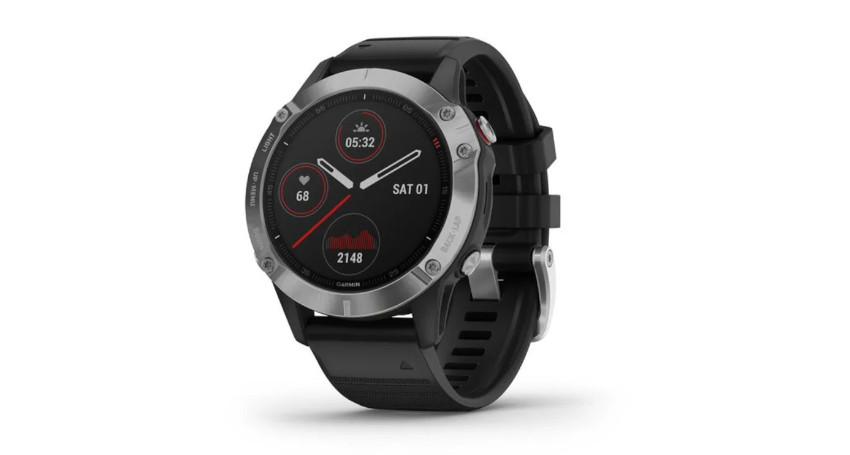
In the era of digital fitness, activity trackers have become an integral part of workout routines. They provide detailed insights into one’s performance, including calorie burn, heart rate, and distance covered. In the context of skiing, these devices can offer valuable data to help optimize your workouts and track progress. Modern activity trackers come equipped with a plethora of features that are particularly useful for skiing. These include altitude tracking, GPS tracking, and slope angle measurement. Moreover, they can monitor the intensity of your skiing workout by tracking your heart rate and estimating the calories burned based on various factors like your weight, age, and the intensity of the activity. While most fitness trackers can provide basic data like heart rate and calorie burn, specific devices are designed with skiing in mind. These specialized trackers offer features like ski run tracking, lift time measurement, and even avalanche alerts, providing a comprehensive tracking solution for skiing.
Best activity trackers for skiing
When it comes to choosing the best activity tracker for skiing, several factors need to be considered, including durability, battery life, and the range of skiing-specific features. Some of the top contenders in this category include the Garmin Fenix 6, Suunto 9 Baro, and the Fitbit Ionic. The Garmin Fenix 6 is a rugged, high-end fitness watch with a host of features tailored for skiing. It offers ski run tracking, lift time measurement, and even maps for over 2,000 ski resorts worldwide. The Suunto 9 Baro, on the other hand, excels in battery life, offering up to 120 hours of continuous exercise tracking. It also features a barometer, making it an excellent choice for tracking altitude during skiing. The Fitbit Ionic, while not as rugged or feature-rich as the other two, is a more affordable option that still offers a decent range of features for skiing. It includes heart rate tracking, GPS tracking, and a dedicated skiing mode that tracks your runs and calories burned. Therefore, depending on your specific needs and budget, these trackers can provide valuable insights to enhance your skiing workouts.
Concluding the Caloric Impact of Skiing
Skiing, a popular winter sport, significantly impacts energy expenditure, leading to a substantial burn of calories. The exact number of calories burnt during this physical activity depends on numerous factors including the individual’s body weight, intensity of the skiing, duration, and the environmental conditions. A person weighing around 155 pounds can burn approximately 446 calories in an hour of downhill skiing, a figure that can rise to 600 or more calories for more intense skiing exercises. The caloric burn from skiing, a high-energy winter sport, is not limited to the time spent on the slopes. The recovery period post-skiing also contributes to the overall energy expenditure. This is due to the Excess Post-exercise Oxygen Consumption (EPOC) effect, where the body continues to burn calories after the skiing activity to restore itself to its resting state. This can add an additional 10-15% to the total calories burnt during the skiing exercise. In addition to the caloric burn, skiing also offers other health benefits. It improves cardiovascular endurance, strengthens the lower body muscles, enhances balance and coordination, and promotes mental well-being. Therefore, skiing can be an effective part of a fitness program or a weight management plan. Understanding the various factors that contribute to the energy expenditure during skiing can help individuals optimize their skiing sessions for maximum calorie burn. For instance, skiing on steeper slopes or in deeper snow can increase the intensity of the exercise and thus the calories burnt. Similarly, incorporating techniques that require greater physical exertion can also enhance the caloric impact of this winter sport.
Recap and conclusion: Does skiing really burn calories?
In conclusion, skiing does indeed burn calories, making it a beneficial physical activity for those looking to manage their weight or improve their fitness levels. The exact number of calories burnt will vary depending on individual factors and the intensity of the skiing activity. It is also important to note that the calorie-burning effects of skiing extend beyond the time spent on the slopes, with additional calories being burnt during the recovery period. The health benefits of skiing are not limited to calorie burning. This winter sport also offers cardiovascular benefits, muscle strengthening, improved balance and coordination, and mental health benefits. Therefore, incorporating skiing into a fitness regime can provide a holistic approach to health and well-being. Moreover, it’s important to consider the role of diet in conjunction with physical activity for effective weight management. While skiing can contribute significantly to calorie burn, maintaining a balanced diet is crucial to ensure that the energy expenditure exceeds the energy intake. This can be achieved by consuming nutrient-dense foods that provide the necessary energy for skiing while keeping the calorie intake in check. Lastly, it’s worth noting that while skiing is an effective way to burn calories, it should be undertaken with the necessary precautions to avoid injuries. This includes using the correct equipment, warming up before the activity, and skiing within one’s ability level. Regular skiing can contribute to a healthier lifestyle when done safely and responsibly.
References
1. Harvard Health Publishing. (2018). Calories burned in 30 minutes for people of three different weights. Retrieved from https://www.health.harvard.edu/diet-and-weight-loss/calories-burned-in-30-minutes-of-leisure-and-routine-activities
2. Mayo Clinic. (2020). Exercise for weight loss: Calories burned in 1 hour. Retrieved from https://www.mayoclinic.org/healthy-lifestyle/weight-loss/in-depth/exercise/art-20050999
3. American Council on Exercise. (2014). What is EPOC? Retrieved from https://www.acefitness.org/education-and-resources/lifestyle/blog/5002/what-is-epoc/
4. Healthline. (2019). The Health and Fitness Benefits of Skiing. Retrieved from https://www.healthline.com/health/fitness-exercise/benefits-of-skiing
5. National Institutes of Health. (2018). The role of diet and exercise in preventing obesity. Retrieved from https://www.ncbi.nlm.nih.gov/pmc/articles/PMC6163457/
6. American Academy of Orthopaedic Surgeons. (2020). Skiing Injury Prevention. Retrieved from https://orthoinfo.aaos.org/en/staying-healthy/skiing-injury-prevention/
More Posts
Cross‑Country Skiing: Techniques for Beginners
Cross‑country skiing is an exciting and rewarding winter sport that offers both a great workout...
read More
Snowboarding Boots: Essential Gear for 2026
Snowboarding boots are an essential part of your snowboarding gear, offering comfort, support, and performance...
read More
Best Kids Ski Schools: A Parent’s Complete Guide
Teaching your child how to ski is about more than just learning a new sport—it’s...
read More
Adventure Ski & Snowboard School: Everything You Need to Know
Winter sports offer more than just excitement—they create confidence, discipline, and unforgettable experiences. Choosing an...
read More
Best Ski Schools for Kids: What Truly Matters for Young Skiers
When children learn to ski the right way, it can shape how they feel about...
read More
Understanding Skiing Boarding Schools and How They Work
Education does not always follow a traditional classroom-only path. For students who thrive in structured...
read More