
Understanding Snow Conditions for the Perfect Winter Adventure
November 20, 2024 | Skiing, Skiing Tips
Skiing and snowboarding are exhilarating winter sports that millions of people enjoy annually. However, the experience heavily depends on snow conditions, weather, and the type of terrain at a ski resort. Whether you’re a seasoned skier or new to the slopes, understanding these factors can enhance your skiing experience and help you hit the slopes with confidence. This guide provides a deep dive into the conditions that affect skiing, including tips for tackling icy surfaces, slushy snow, and everything in between.
What Makes Good Snow Conditions for Skiing
Good snow conditions are essential for a stable skiing experience. Soft snow is often preferred by good skiers and snowboarders because it provides a smoother ride and better control. Packed snow, on the other hand, is ideal for those seeking speed skiing or stable skiing on groomed slopes.
The snow crystal structure plays a significant role in determining the quality of snow. Fine snow offers more grip, while icy snow can make it very hard to maintain control.
Why Does Snow Quality Matter?
The quality of snow directly impacts the ease and safety of skiing. Snow tends to become icy when temperatures fluctuate, making it difficult to ski. Similarly, slushy snow, often encountered on warmer days, can slow down your ride and make it harder for air to get under the skis.
Wet snow, which happens when snow crystals start to melt, is another challenging condition. Skiers need to adjust their technique and be cautious of the vacuum under the ski that can cause instability.
Read More: How To Clean A Snowboard
How Does Snowfall Impact Skiing Conditions?
Fresh snow is a skier’s dream. It creates a layer of snow that provides excellent grip and cushioning. However, heavy snow can be a double-edged sword—it offers great snow depth but may also lead to unstable pistes and packed conditions that are difficult to ski.
Snowfall is vital for maintaining sufficient snow cover on the slopes. Without regular snowfalls, resorts must rely on artificial snow to keep the ski areas operational.
Weather Conditions That Affect Skiing
Weather conditions on the mountain play a pivotal role in snowboarding and skiing. A clear weather forecast with consistent snowfall is ideal for hitting the slopes. However, rain on snow or sudden warm weather can melt the snow and create slush, making skiing difficult.
Warm weather is particularly problematic for ski resorts as it causes snow to melt rapidly. This not only affects skiing conditions but also impacts the ski industry’s ability to maintain quality snow cover.
Ski on Icy and Slushy Terrain
Tackling Icy Slopes
Skiing on ice requires sharp edges and precise technique. Skiers should keep their weight forward and maintain balance to avoid slipping. A stable skiing posture is key to navigating icy patches.
Managing Slushy Snow
Slush and slushy snow are common during warmer days. These conditions demand a more dynamic technique, as the snow tends to create resistance. Keeping your movements fluid and avoiding sudden turns can help you stay in control.
Can Artificial Snow Improve Skiing Conditions?
Artificial snow has become a lifeline for many ski resorts. Snow cannons are used to create snow in areas where natural snowfall is insufficient. While artificial snow lacks the fine texture of fresh snow, it provides a reliable surface for skiing.
Ski areas equipped with artificial snow systems can extend the ski season and ensure better conditions for skiing and snowboarding even during dry spells.
What Happens When There Is a Lack of Snow?
A lack of snow can significantly affect ski resorts. Many resorts implement snow cannons to compensate for insufficient snow accumulation. However, making artificial snow requires cold enough temperatures, which are becoming rarer due to climate impact.
During low-snow seasons, winter sports enthusiasts often turn to alternative activities like hiking or snowshoeing in areas with good snow depth.
How Climate Change Is Impacting the Ski Industry
The climate crisis is causing warmer temperatures, which lead to less snowfall and more rain-on-snow events. This not only reduces the ski season but also affects the quality of the snow on the slopes.
Efforts to adapt include creating snow with advanced snow cannons and promoting sustainable practices within the ski industry. However, the future of skiing remains uncertain as conditions are more common where snow is wet or insufficient.
Best Resorts for Stable Snow Conditions
European resorts like those in the Alps are renowned for their reliable snow conditions. Resorts open early in the winter season due to their higher altitudes and efficient snow management systems.
Many ski resorts in the US and Europe invest heavily in snow quality maintenance to attract skiers and snowboarders, even in challenging weather.
How to Prepare for Different Snow Conditions
Gear Adjustments
Selecting the right gear like ski length is essential for adapting to various snow conditions. Skiers and snowboarders should invest in equipment that suits the kind of snow they are most likely to encounter, whether it’s icy, slushy, or fresh snow.
Practical Tips
- Check the weather forecast before heading to the slopes.
- Use ski goggles for better visibility in snowy or wet conditions.
- Opt for skis with a good edge grip for icy terrain and flexible ones for slush.
More Posts
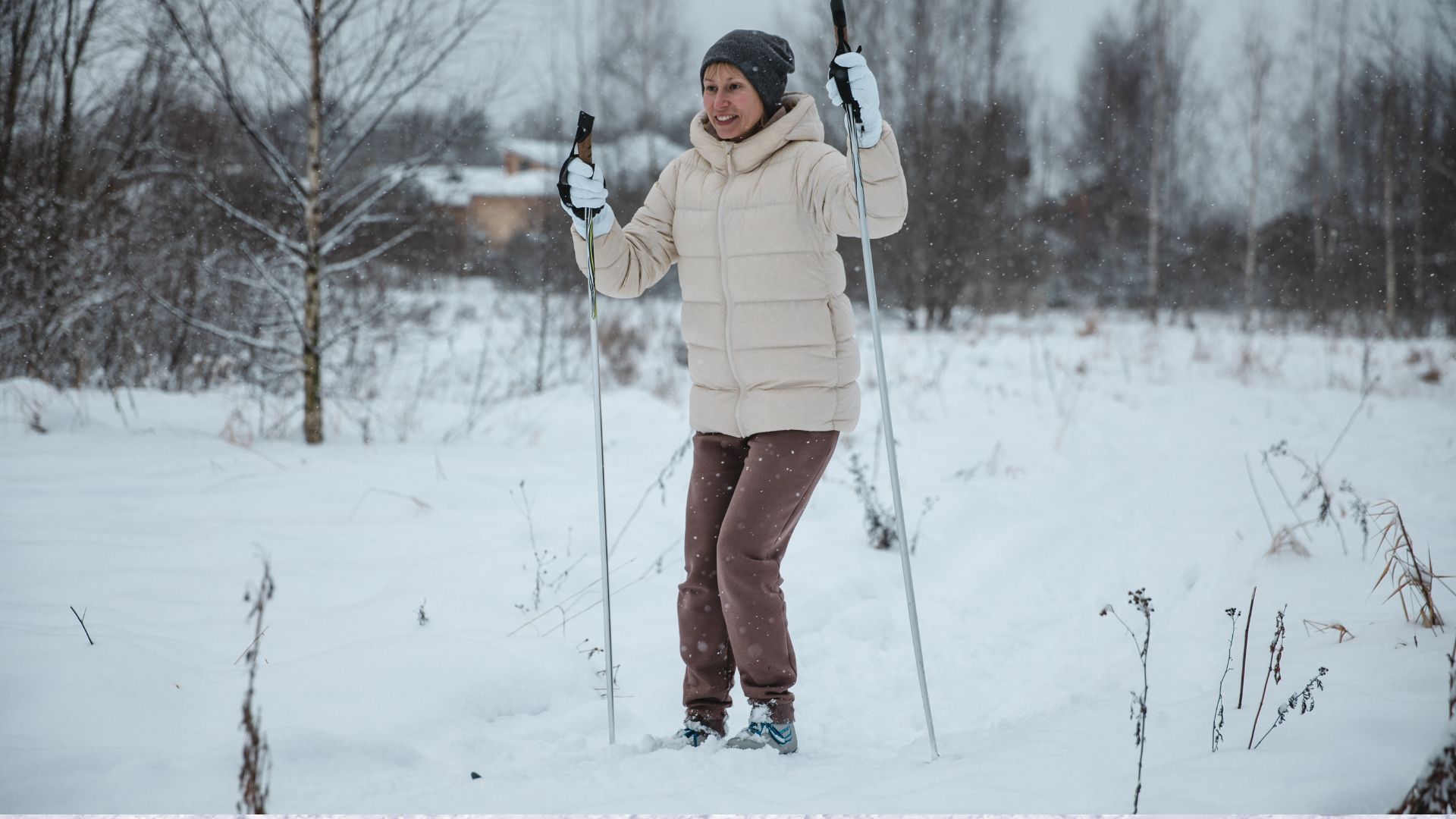
Cross‑Country Skiing: Techniques for Beginners
Cross‑country skiing is an exciting and rewarding winter sport that offers both a great workout...
read More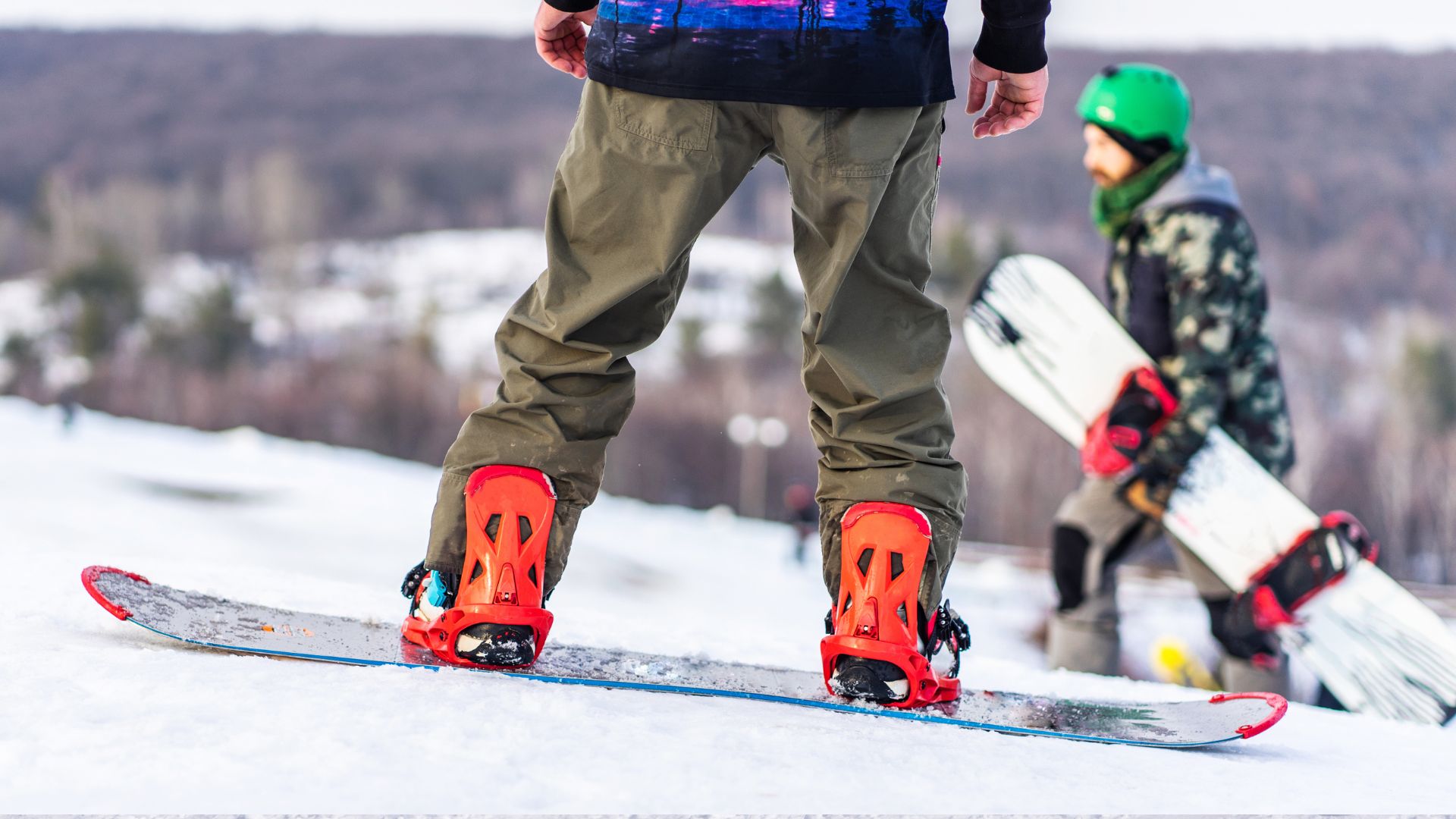
Snowboarding Boots: Essential Gear for 2026
Snowboarding boots are an essential part of your snowboarding gear, offering comfort, support, and performance...
read More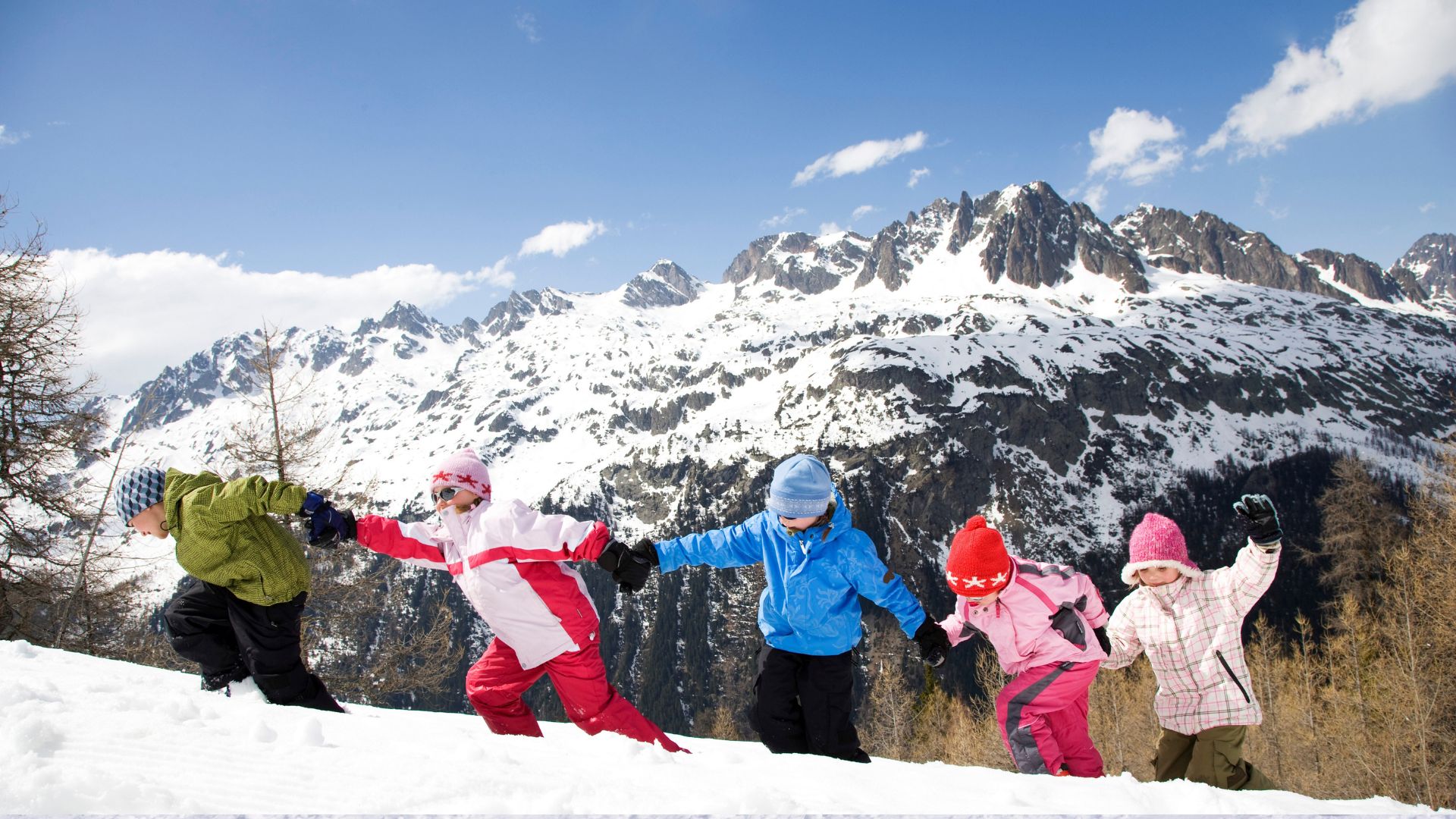
Best Kids Ski Schools: A Parent’s Complete Guide
Teaching your child how to ski is about more than just learning a new sport—it’s...
read More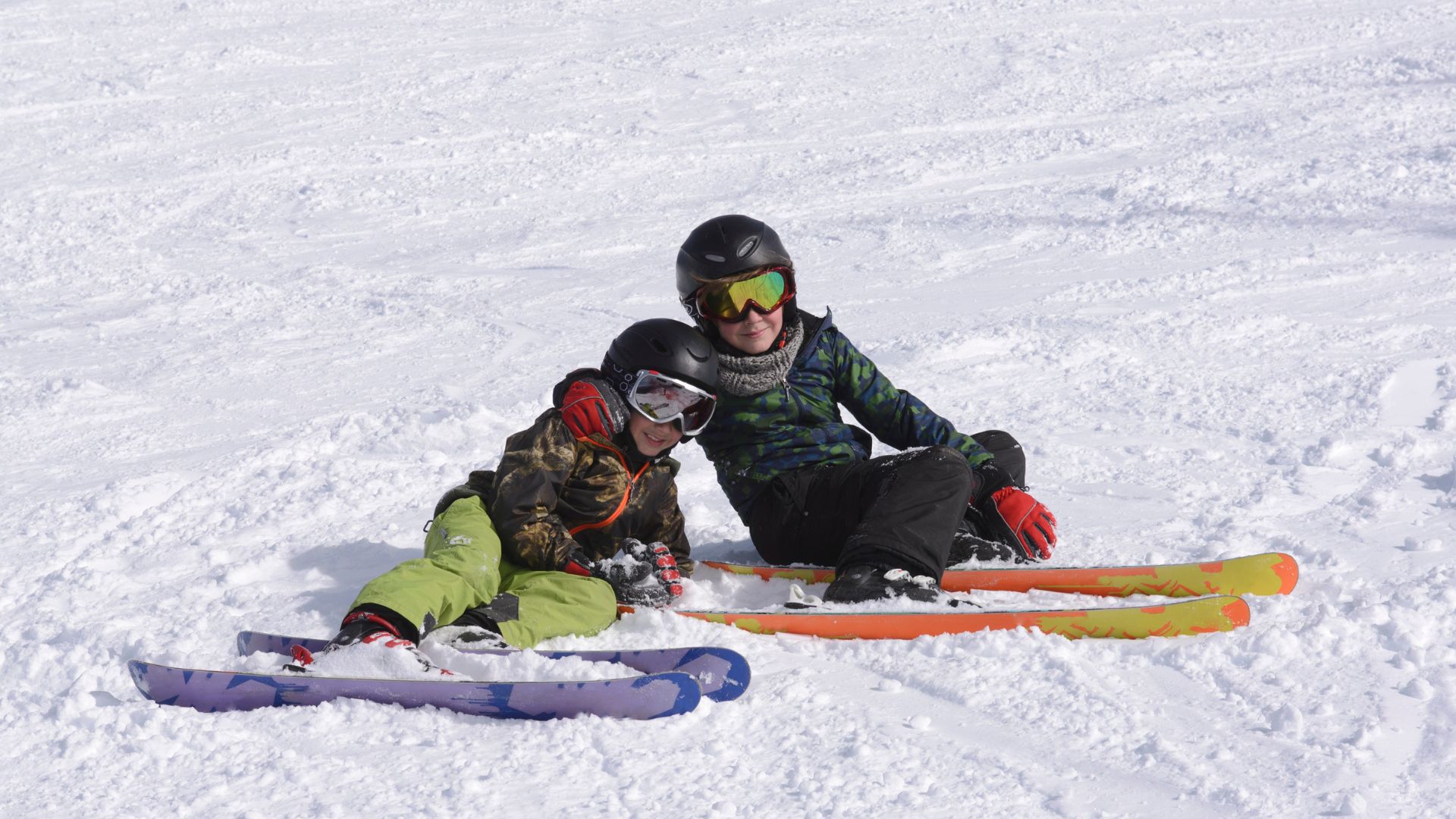
Adventure Ski & Snowboard School: Everything You Need to Know
Winter sports offer more than just excitement—they create confidence, discipline, and unforgettable experiences. Choosing an...
read More
Best Ski Schools for Kids: What Truly Matters for Young Skiers
When children learn to ski the right way, it can shape how they feel about...
read More
Understanding Skiing Boarding Schools and How They Work
Education does not always follow a traditional classroom-only path. For students who thrive in structured...
read More