
How to Choose the Right Snowboard Binding: A Comprehensive Guide
October 25, 2024 | Snowboarding
Choosing the right snowboard binding can make or break your experience on the mountain. The right binding ensures a smooth connection between your boots and board, delivering control, comfort, and stability as you ride. This guide dives into the key factors to consider when selecting snowboard bindings, from understanding binding flex to choosing the right size and type. Whether you’re a beginner or a seasoned rider, this article will help you navigate the world of snowboard bindings and find the perfect match for your setup.
What Are Snowboard Bindings
Snowboard bindings are the essential link between your boots and the board, helping you transfer movement and energy directly into your snowboard. They are vital in controlling your board, allowing you to steer, carve, and stop with precision.
- Bindings Work as a Connection Point: They secure your feet to the board, ensuring your boots remain in place throughout your ride. This connection helps translate the movements of your legs and feet into the snowboard.
- Different Types of Snowboard Bindings: There are various types of snowboard bindings on the market, each designed to suit different snowboarding types, skill levels, and preferences. Understanding these types is crucial to choosing the right binding for your needs.
How to Choose Snowboard Bindings
Choosing the right snowboard binding involves considering several factors that affect performance and comfort. Here are some of the key considerations:
- Binding Flex: Flex refers to how stiff or flexible a binding is. Softer bindings are more forgiving and ideal for beginners, while stiffer bindings provide more control for advanced riders.
- Binding Size: Ensure the binding fits your snowboard boot correctly. A size chart can help you get the right binding size for your boot size.
- Riding Style: Your preferred riding style, whether it’s freestyle, all-mountain, or freeride, will influence the type of bindings you choose. For example, freestyle bindings tend to be softer for flexibility, while all-mountain bindings offer a balance of support and flex.
Choosing Snowboard Bindings
There are several types of snowboard bindings, each designed to offer different levels of support and flexibility:
- Strap-In Bindings: The most common type of snowboard binding, these use two straps to secure your foot in place. They offer a snug fit and are suitable for most riding styles.
- Step-On Bindings: These are becoming increasingly popular for their convenience. With step-on bindings, you simply step into the binding, which locks in place without needing to adjust the straps.
- Rear-Entry Bindings: These bindings allow you to slide your foot into the back of the binding, making entry easier. Rear-entry bindings are great for those who want quick setup times.
Each snowboard binding type has pros and cons, and the best choice depends on your comfort and riding needs.
Read More: How to Keep Your Feet Warm on the Slopes
Understanding Flex
Flex is critical in choosing snowboard bindings, as it influences how your board responds to movements. Here’s what to know about Flex:
- Softer Flex: Softer bindings offer more flexibility, making them easier to maneuver. They are ideal for beginners or freestyle riders who need a forgiving binding for tricks.
- Medium Flex: Medium flex bindings balance flexibility and stiffness, making them suitable for all-mountain riders. They offer enough support for carving turns while still being versatile.
- Stiff Binding: Stiff bindings are designed for advanced riders looking for precise control, especially at high speeds or on challenging terrain.
Choosing the right flex depends on your skill level and riding style. For those new to the sport, softer bindings might be easier to manage, while experienced riders might prefer the response of a stiffer binding.
Right Binding Size for Your Snowboard Boot
Selecting the correct binding size is crucial for ensuring a secure fit. Here’s how to find the right size:
- Binding Size Chart: Most brands provide a chart matching binding sizes to boot sizes. This chart can help you get the right fit and avoid compatibility issues.
- Fit Your Boot: The boot should fit snugly into the binding without being too tight or loose. A binding that’s too large can cause your boot to shift, while a binding that is too small can pinch your foot.
- Check the Binding Base: The binding base should be appropriately sized to fit the width of your snowboard. This ensures a stable connection between the bindings and the board.
A properly fitted binding ensures a smooth transfer of movement from your boots to the board, making for a more responsive ride.
Step-On Bindings Vs. Traditional Bindings
Step-on bindings and traditional strap-in bindings each have their own benefits:
- Step-On Bindings: These allow you to step directly into the binding, locking your boot in place without needing to adjust straps. They are perfect for riders who prioritize convenience and quick transitions.
- Traditional Strap-In Bindings: These straps secure your boot and offer a customizable fit. They are the most common type of snowboard binding and are suitable for all types of riding.
Choosing between step-on bindings and traditional strap-in bindings depends on your preference for convenience versus adjustability.
Read More: How Many Ski Lessons Does a Beginner Need?
How to Use a Binding Size Chart
Using a size chart is essential when buying new bindings. Here’s how to use one effectively:
- Check Boot Size: Measure your snowboard boot size and match it to the appropriate binding size on the chart.
- Size Binding to Fit Your Boot: Ensure the binding covers your boot from right to left without any overhang. The boot should fit snugly within the edge of the binding.
- Adjust Your Binding: After selecting the correct size, make any necessary adjustments to ensure that your boot fits securely in the binding.
A size chart helps you find the right binding size, ensuring a comfortable and secure fit for your boots.
Mount Your Snowboard Bindings Correctly
Properly mounting your bindings on your snowboard is crucial for optimal control. Here’s a step-by-step guide:
- Positioning the Bindings: Decide on the stance width and angle that best suits your riding style. Most riders start with a shoulder-width stance.
- Mounting the Binding Base: Align the binding base with the mounting holes on the snowboard and use screws to secure it.
- Adjust the Binding Straps: Adjust the straps to ensure your ski boots are firmly in place. This helps maintain control while riding.
Mounting your bindings correctly is key to a balanced and responsive snowboard setup.
FAQs
What Flex Should I Choose for My Snowboard Bindings?
The flex of your bindings should match your riding style and skill level. Beginners often benefit from softer bindings, while experienced riders might prefer stiffer bindings for more control.
Do Snowboard Boots Need to Match the Binding Brand?
Not necessarily, but they must be compatible in size. A size chart can help you find the right fit, even if the boots and bindings come from different brands.
Are Rear-Entry Bindings Good for Beginners?
Rear-entry bindings can be convenient for beginners as they are easier to enter. However, traditional strap-in bindings often offer more adjustability for a better fit.
Tips for Choosing the Best Binding
Choosing the right snowboard bindings involves finding the perfect balance between comfort, control, and compatibility. Here are some additional tips:
- Demoing Bindings: If possible, try out different bindings before purchasing. This helps you understand the feel and response of each binding type.
- Look for a Binding That Matches Your Style: Freestyle riders may prefer softer bindings, while all-mountain riders should look for medium flex for versatility.
- Consider Your Snowboard: Ensure your bindings are compatible with your snowboard’s mounting system, whether it’s EST bindings or traditional discs.
More Posts
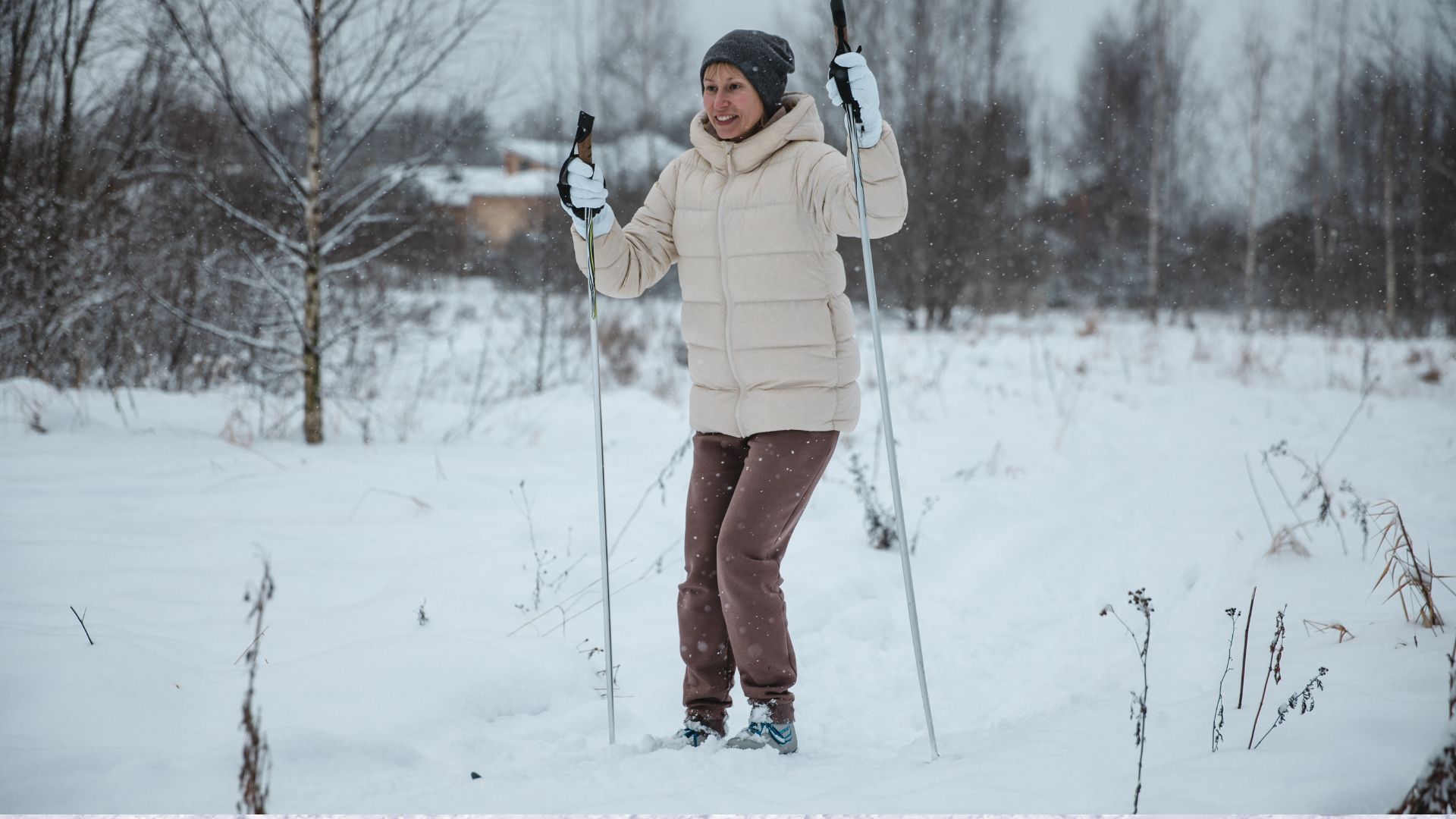
Cross‑Country Skiing: Techniques for Beginners
Cross‑country skiing is an exciting and rewarding winter sport that offers both a great workout...
read More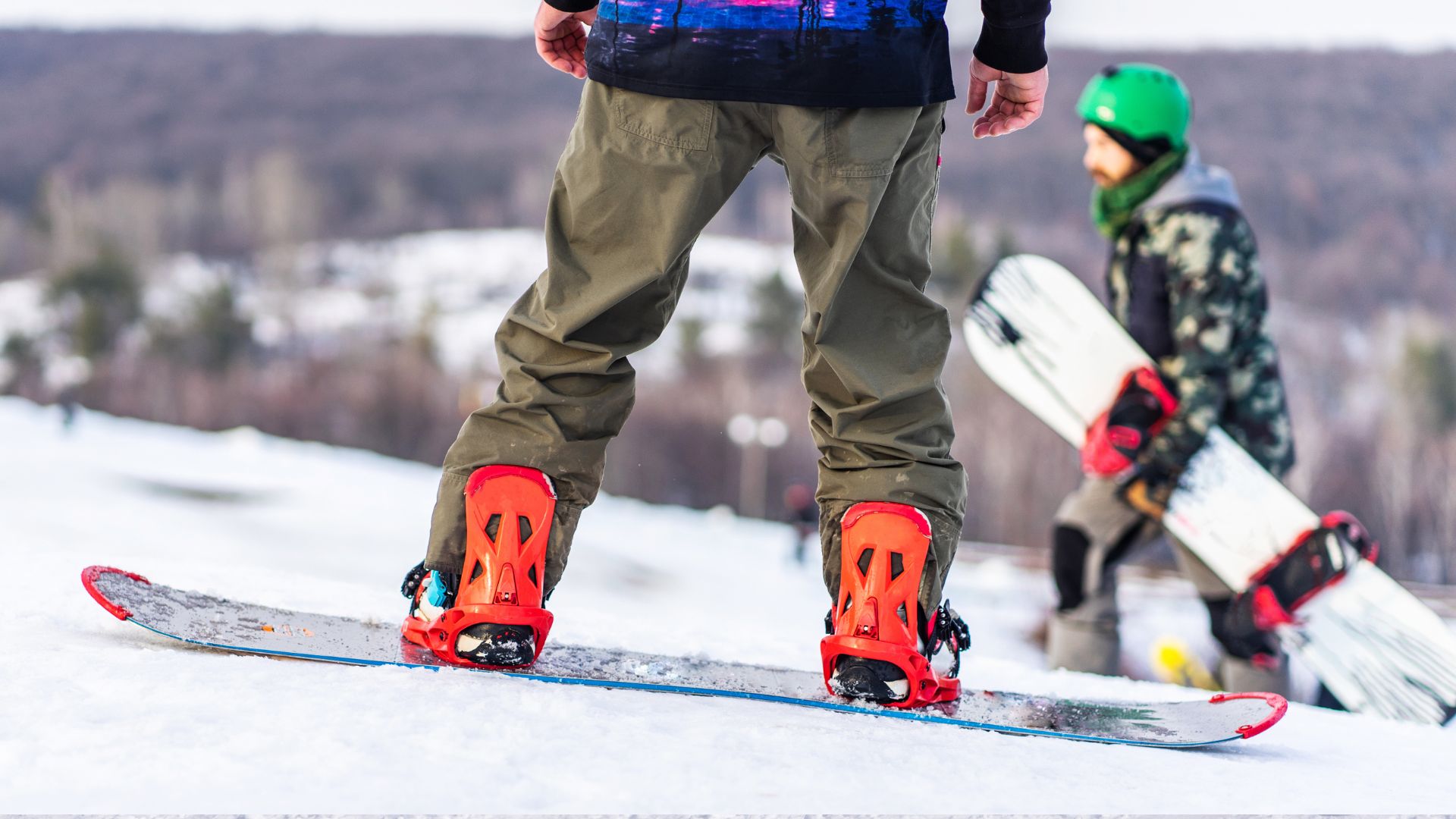
Snowboarding Boots: Essential Gear for 2026
Snowboarding boots are an essential part of your snowboarding gear, offering comfort, support, and performance...
read More
Best Kids Ski Schools: A Parent’s Complete Guide
Teaching your child how to ski is about more than just learning a new sport—it’s...
read More
Adventure Ski & Snowboard School: Everything You Need to Know
Winter sports offer more than just excitement—they create confidence, discipline, and unforgettable experiences. Choosing an...
read More
Best Ski Schools for Kids: What Truly Matters for Young Skiers
When children learn to ski the right way, it can shape how they feel about...
read More
Understanding Skiing Boarding Schools and How They Work
Education does not always follow a traditional classroom-only path. For students who thrive in structured...
read More