
Improve Your Snowboarding: 10 Tips to Get Better Fast
June 20, 2025 | Snowboarding
Whether you’re a total beginner or moving into intermediate snowboarding, improving your snowboarding technique is key to having more fun and feeling confident on the slopes. Many snowboarders hit a plateau after learning the basics, but with the right adjustments, it’s easy to get better at snowboarding and enjoy more control, speed, and style. In this guide, you’ll find 10 practical, effective tips to improve your snowboarding, boost your confidence, and take your riding to the next level.
1: Bend Your Knees for Better Balance
One of the first things a snowboard instructor will teach you is to bend your knees. This isn’t just for comfort—it helps you stay balanced and absorb the impact of bumps or turns. Think of your legs like springs; they should be relaxed and ready to adjust to the terrain.
Many beginners ride with stiff legs, which makes it harder to control the snowboard. By keeping your knees bent and your body centered, you’ll move more fluidly across the slope and respond better to changes in terrain or direction.
Read more: Snowboarding Guide: Mastering Level 4 Snowboarding for Beginners
2: Learn to Control Your Speed
One major sign of becoming good at snowboarding is the ability to control your speed with ease. Instead of going straight down the hill, practice wide turns and use the edge to edge technique to regulate your descent.
Remember to keep your weight on your front foot, especially during the start of the turn. This allows your snowboard to grip and steer more effectively, especially in steeper sections. Too much weight on your back foot often leads to poor control and skidding.
3: Steer with Both Feet
To steer your snowboard properly, it’s crucial to use both your front foot and back foot together. A common mistake is kicking your back foot out to turn—this breaks your balance and limits control.
Instead, initiate the turn by pressing with your front foot, then follow through with the back foot. This steering with both feet technique is more fluid and keeps your snowboard aligned through the turn.
4: Understand the Fall Line
The fall line is the most direct path downhill. Understanding it helps you make safer, more efficient turns. When you’re turning across the fall line, it’s easier to control your speed and stay balanced.
Pay attention to where the fall line leads, and adjust your path accordingly. Whether you’re doing tighter turns or aiming to make wider turns, knowing the fall line helps shape your descent and maintain control.
Read more: What Are the Different Types of Snowboard Bindings?
5: Stop Leaning Too Far Back
Many beginner snowboarders put too much weight on their back foot when nervous. This often leads to skidding, slower turns, and poor edge engagement. Instead, keep your weight centered and slightly forward, especially during turns.
Weight on your front foot gives you better control and responsiveness. Practice bending your front leg and keeping your shoulders aligned with your board.
6: Ride Switch to Improve Balance
To become a better snowboarder, you should learn to ride switch (the opposite of your normal stance). It may feel awkward at first, but it greatly improves balance and board control.
Switch riding challenges your muscles and forces you to think about your movements, which helps improve your overall snowboarding skills. Plus, it opens the door to new tricks and halfpipe riding.
Read more: How Long Does a Snowboard Last? A Guide to Maximizing Your Gear’s Lifespan
7: Don’t Skip Lessons
Even if you’ve moved beyond the basics of snowboarding, a snowboard instructor can spot habits you may not even notice. They offer tips on how to get your weight properly aligned, varying the shape of your turns, and improving your performance on the slopes.
Whether it’s a refresher session or advanced coaching, taking a lesson can help improve your technique and give you a way to improve faster.
8: Use Your Hips and Shoulders
To make turns smoothly, your upper body should follow your board. This means pointing your shoulders and hips in the direction you want to go. It sounds simple, but many beginners twist at the waist or leave their upper body facing uphill.
Looking in the direction of your turn and rotating your torso naturally allows your board to follow. Combine this with proper foot steering, and your movements will become more efficient.
9: Build Confidence Through Practice
Confidence comes from mastering small goals and building up. Practice on mellow terrain where you can focus on snowboarding technique without pressure. Then gradually try steeper slopes or new tricks.
Ride with people who are slightly better than you, and you’ll learn faster. Watch, ask questions, and don’t be afraid to fall. Snowboarding is about progress, not perfection.
Ready to take your snowboarding skills to the next level? Contact us to discover top-rated snowboard instructors near you. Whether you’re a beginner or looking to master new techniques, the right lesson can make all the difference.
10: Recover and Balance Better
As you go snowboarding more, recovery becomes vital. Relaxing your legs, especially your back leg, helps prevent fatigue. Think of your legs as active shock absorbers.
Also, remember to shift your weight from heel to toe and avoid leaning too far into the hill. The goal is to stay centered and balanced through the middle of your turn and feel your feet by the end of each carve.
Read more: Snowboard Types and Styles: Shredding the Mountain in Your Own Way
Final Thoughts
Snowboarding is a journey—one filled with thrills, spills, and personal growth. Whether you’re working on refining your turns or just starting to ride switch, every step you take helps build your confidence and technique. By staying consistent, embracing challenges, and focusing on the fundamentals, you’ll become not only a more skilled snowboarder but also someone who thrives on the slopes. Remember, the mountain rewards those who show up with dedication and the willingness to improve.
Progress takes time, and real improvement comes from falling, learning, and trying again. Every run is a chance to practice something new, whether it’s controlling your speed, shifting your weight, or simply enjoying the ride. The persistence you build through snowboarding will stay with you far beyond the snow. Keep carving, keep pushing, and above all, have fun—it’s the best way to grow both your skills and your love for the sport.
More Posts
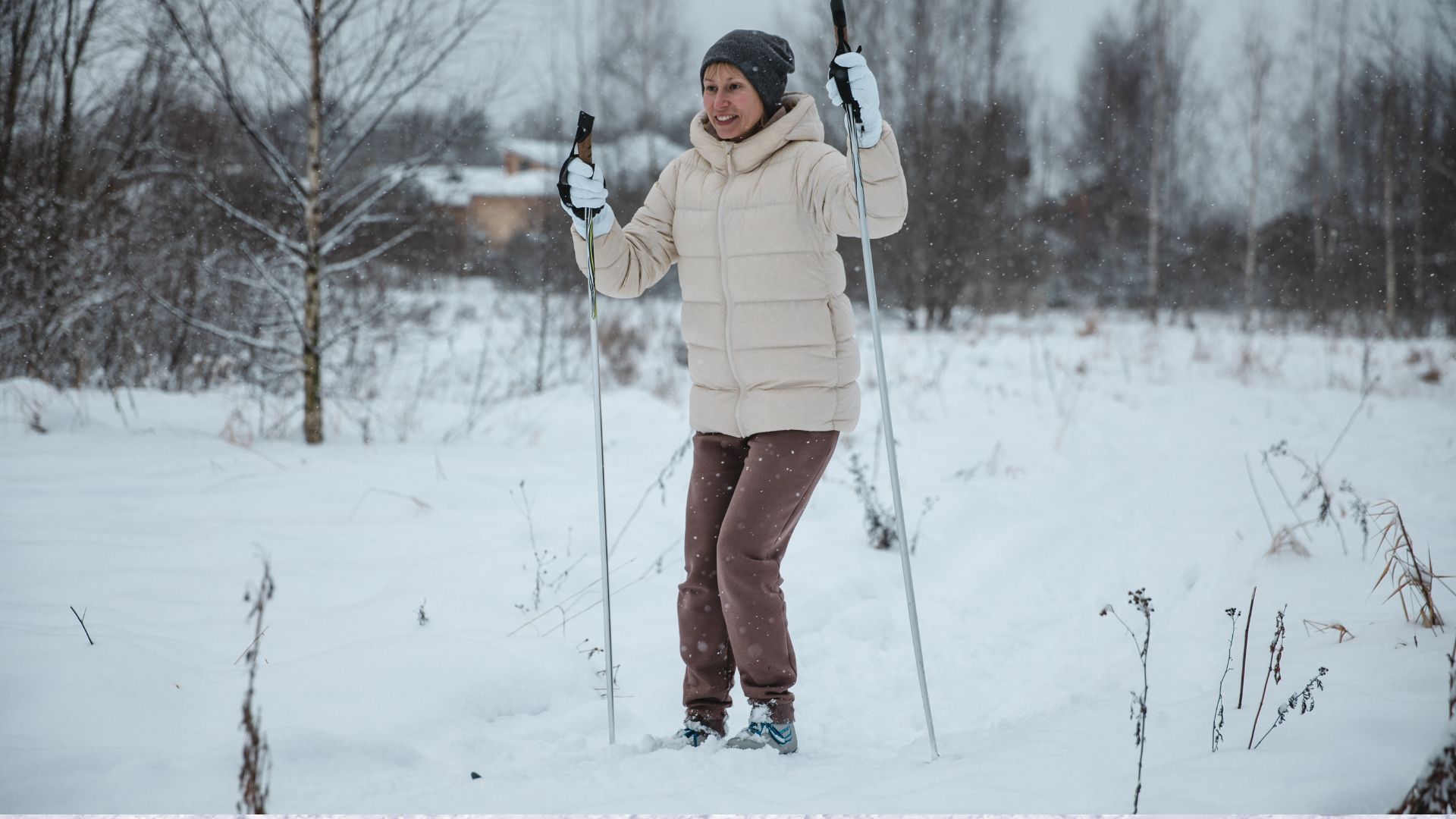
Cross‑Country Skiing: Techniques for Beginners
Cross‑country skiing is an exciting and rewarding winter sport that offers both a great workout...
read More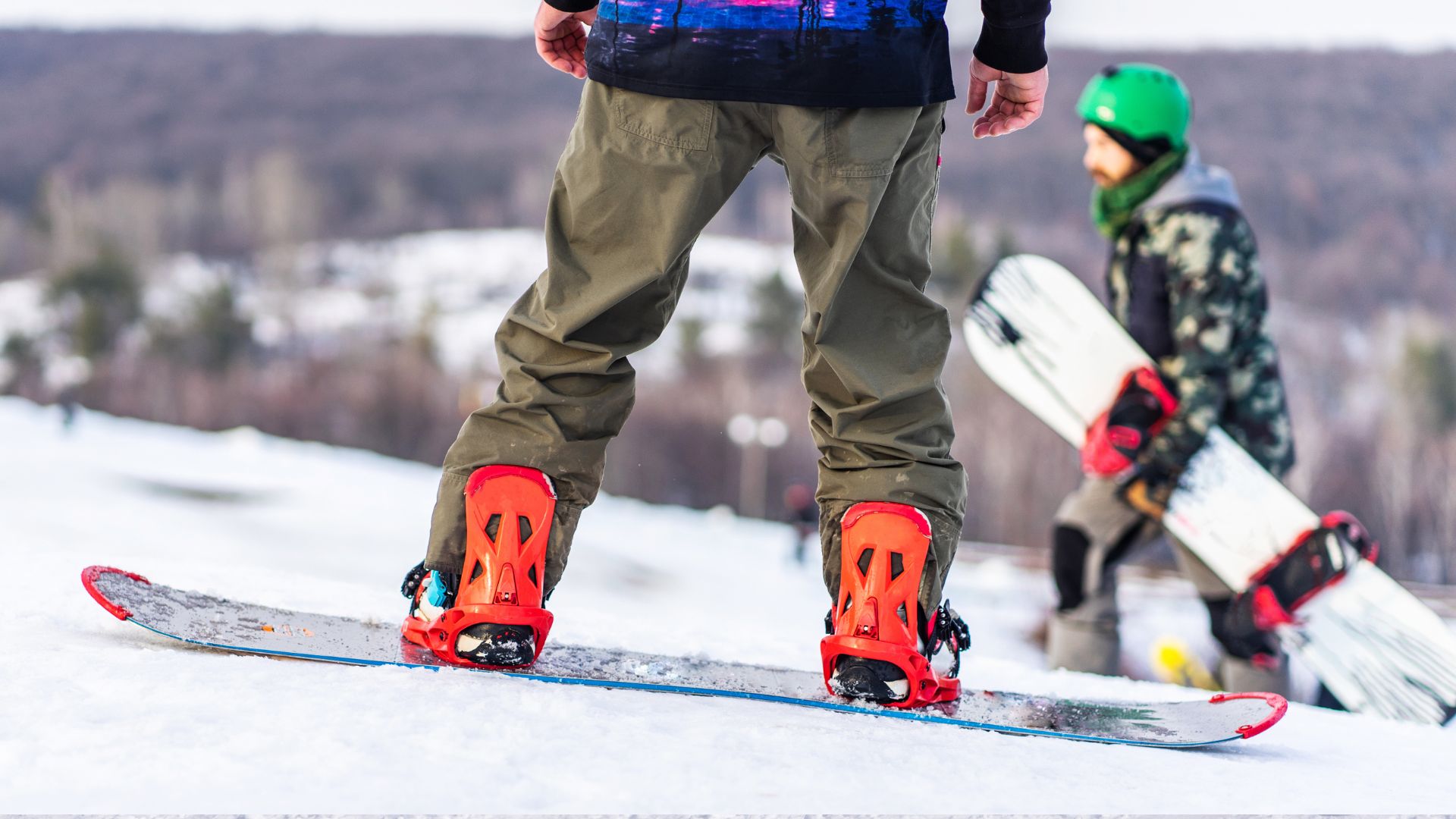
Snowboarding Boots: Essential Gear for 2026
Snowboarding boots are an essential part of your snowboarding gear, offering comfort, support, and performance...
read More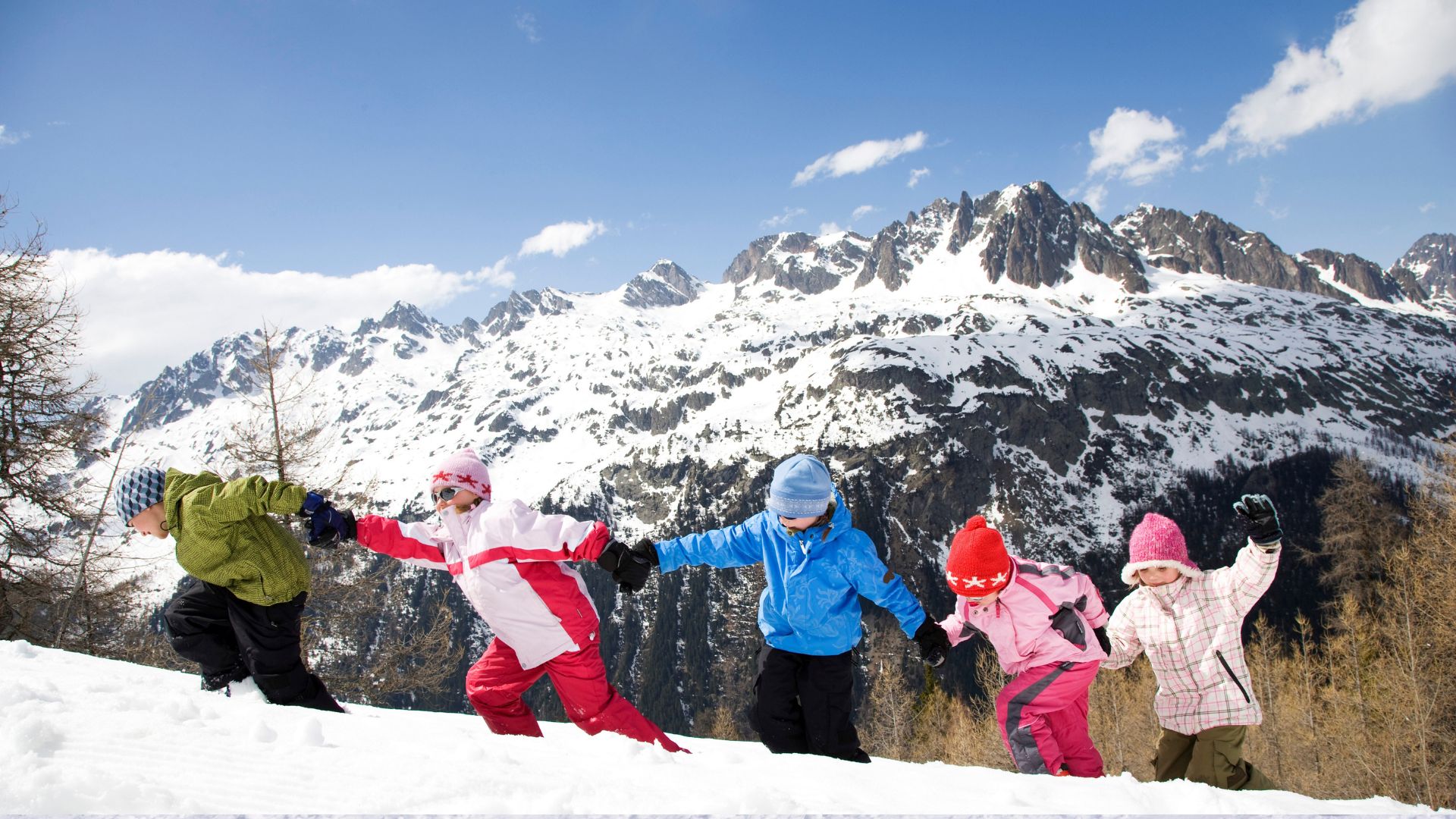
Best Kids Ski Schools: A Parent’s Complete Guide
Teaching your child how to ski is about more than just learning a new sport—it’s...
read More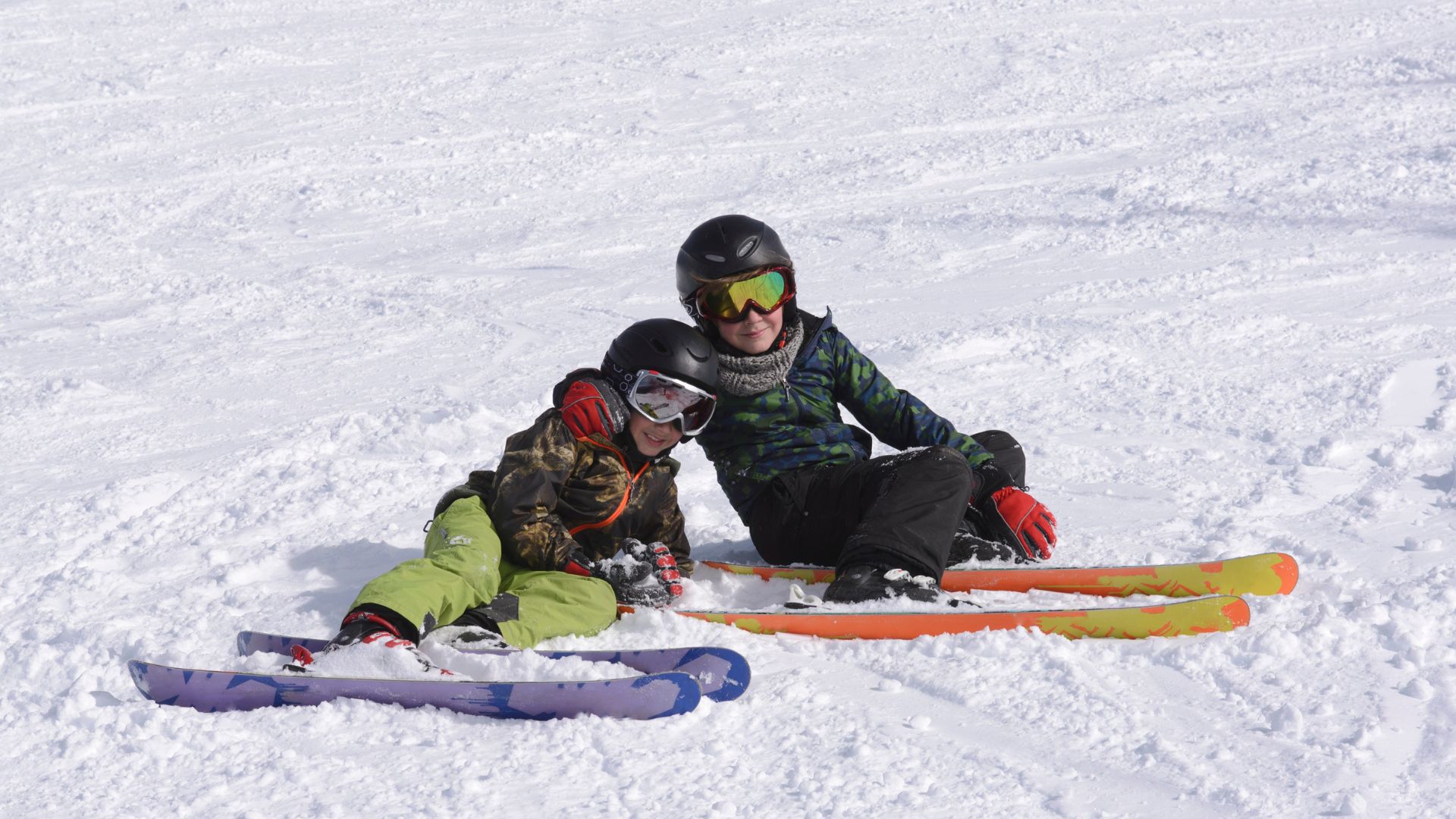
Adventure Ski & Snowboard School: Everything You Need to Know
Winter sports offer more than just excitement—they create confidence, discipline, and unforgettable experiences. Choosing an...
read More
Best Ski Schools for Kids: What Truly Matters for Young Skiers
When children learn to ski the right way, it can shape how they feel about...
read More
Understanding Skiing Boarding Schools and How They Work
Education does not always follow a traditional classroom-only path. For students who thrive in structured...
read More