How to Know Your Ski Level: A Complete Guide
June 25, 2025 | Skiing, Skiing Technique, Skiing Tips, Skis
Whether you’re new to the ski world or looking to advance your skills, understanding your ski level is essential to progress safely and confidently. A proper level finder helps skiers and snowboard enthusiasts find suitable terrain, lessons, and coaching support. This guide is designed to help you identify your current ski level, explore lesson options at ski school or with an ESF instructor, and choose the right ski lesson based on your experience.
What Is a Ski Level and Why Does It Matter?
A ski level represents your ability to handle different slopes, terrain types, and techniques. Whether you’re practicing on green runs or navigating black runs, knowing your level ensures you’re taking lessons and skiing terrain that’s right for your skillset.
Understanding your level ski not only keeps you safe but also accelerates your improvement by helping you choose the right ski terrain, ski gear, and instructor. It also helps resorts and coaches customize your skiing experience so you’re always challenged, but never overwhelmed.
How Can You Use a Level Finder?
A level finder is a tool that helps you assess your ski or snowboard skills. Many ski resorts and schools provide online level guides or quizzes. These tools typically ask about your ability to make parallel turns, control speed, or handle steeper terrain.
Using a level finder helps instructors help you choose the right group or private ski lesson, placing you with skiers of similar ability. This avoids mismatches in group dynamics and allows for more targeted instruction.
What Are the Beginner Ski Levels?
If you’re a beginner, you’re likely learning on gentle blue or green runs using snowplough turning. You may be working on being able to stop, link turns, or gain control of your speed.
Beginner levels (often Levels 1–2 or 1.5) focus on:
- Standing and sliding on snow
- Mastering snowplough and basic piste technique
- Building confidence and balance
These foundational levels are crucial for long-term development. Many beginners stay in this phase for a few days or a whole trip before progressing to more challenging terrain.
What Is Considered Intermediate in Skiing?
An intermediate skier typically moves comfortably on blue runs and red runs, and can make parallel turns with moderate speed. These skiers are refining their technique and confidence and may begin exploring steeper slopes.
Intermediate lessons include:
- Developing dynamic parallel turns
- Learning to carve
- Building rhythm and flow on the piste
You might also experiment with short off-piste sections or moguls during this phase, helping bridge the gap between basic skiing and expert levels.
What Are Advanced and Expert Ski Levels?
Experienced skiers at the expert ski level can navigate black runs, steep couloirs, and off-piste terrain. They are confident in various snow conditions and can carve, handle mogul fields, and adapt to icy slopes.
Advanced lessons may include:
- Freeride and freestyle techniques
- Race training
- Enhancing efficiency around the mountain
At this stage, skiers refine style, precision, and adaptability—especially important for tackling unpredictable terrain or challenging weather conditions.
How Do Snowboard Levels Compare?
Snowboard levels are structured similarly to ski levels. They assess your ability to link turns, stop, ride switch, and handle varied terrain. From beginner to freestyle skiing, these levels guide you through terrain park tricks, ski carving, and off-piste riding.
Snowboarders can benefit from level finders and lesson structures tailored to their gear and riding style. Having a clear sense of where you stand helps accelerate progress and prevents plateauing.
What to Expect in a Ski Lesson at Ski School or with ESF
A ski lesson at a ski school or with an ESF instructor provides tailored guidance. Group lessons offer social learning with similarly skilled skiers, while private lessons focus on personal feedback.
Benefits of professional instruction:
- Identify bad habits and correct them early
- Gain structured progression
- Boost your technique and control on all piste types
These lessons often include terrain-specific tips and constructive critiques that help you develop good form and habits that stick.
How to Book the Right Ski Lesson
To book the right lesson, consider:
- Your ski level and goals
- Group vs. private preference
- Time commitment during your ski holiday
Most resorts let you book online or through a ski shop. Be honest about your level to be placed in the most suitable group. Providing accurate information ensures you receive a well-matched lesson that challenges you appropriately.
How Do You Know If You’re Progressing?
Progress is marked by your ability to move comfortably on steeper terrain, control speed in all conditions, and make smooth transitions between turns.
Signs of progress:
- Skis are parallel
- You can carve on blue or red runs
- You feel confident navigating bumpy or steep terrain
When you start to experiment with different snow conditions and maintain speed with control, it’s a clear indicator that your skiing is improving.
What Are the Children’s Ski Levels?
Children’s level assessment includes comfort on snow, balance, and ability to follow instructions. Younger skiers may be placed in fun-focused classes to develop skills they need before formal lessons.
These levels vary based on age, experience, and coordination. Make sure to book with a certified coach or ski instructor experienced in children’s learning, as they use games and playful instruction methods to build confidence.
Final Thoughts
Identifying your ski level is the first step to improving technique, boosting confidence, and staying safe on the slopes. Whether you’re learning snowplough turns or mastering off-piste runs, matching your skill level to the right lesson, instructor, and terrain ensures success.
Always be honest with your level, seek professional feedback, and enjoy the journey as you get better around the mountain. Revisit your level regularly as your skills improve—it’s the smartest way to keep progressing.
More Posts
Cross‑Country Skiing: Techniques for Beginners
Cross‑country skiing is an exciting and rewarding winter sport that offers both a great workout...
read More
Snowboarding Boots: Essential Gear for 2026
Snowboarding boots are an essential part of your snowboarding gear, offering comfort, support, and performance...
read More
Best Kids Ski Schools: A Parent’s Complete Guide
Teaching your child how to ski is about more than just learning a new sport—it’s...
read More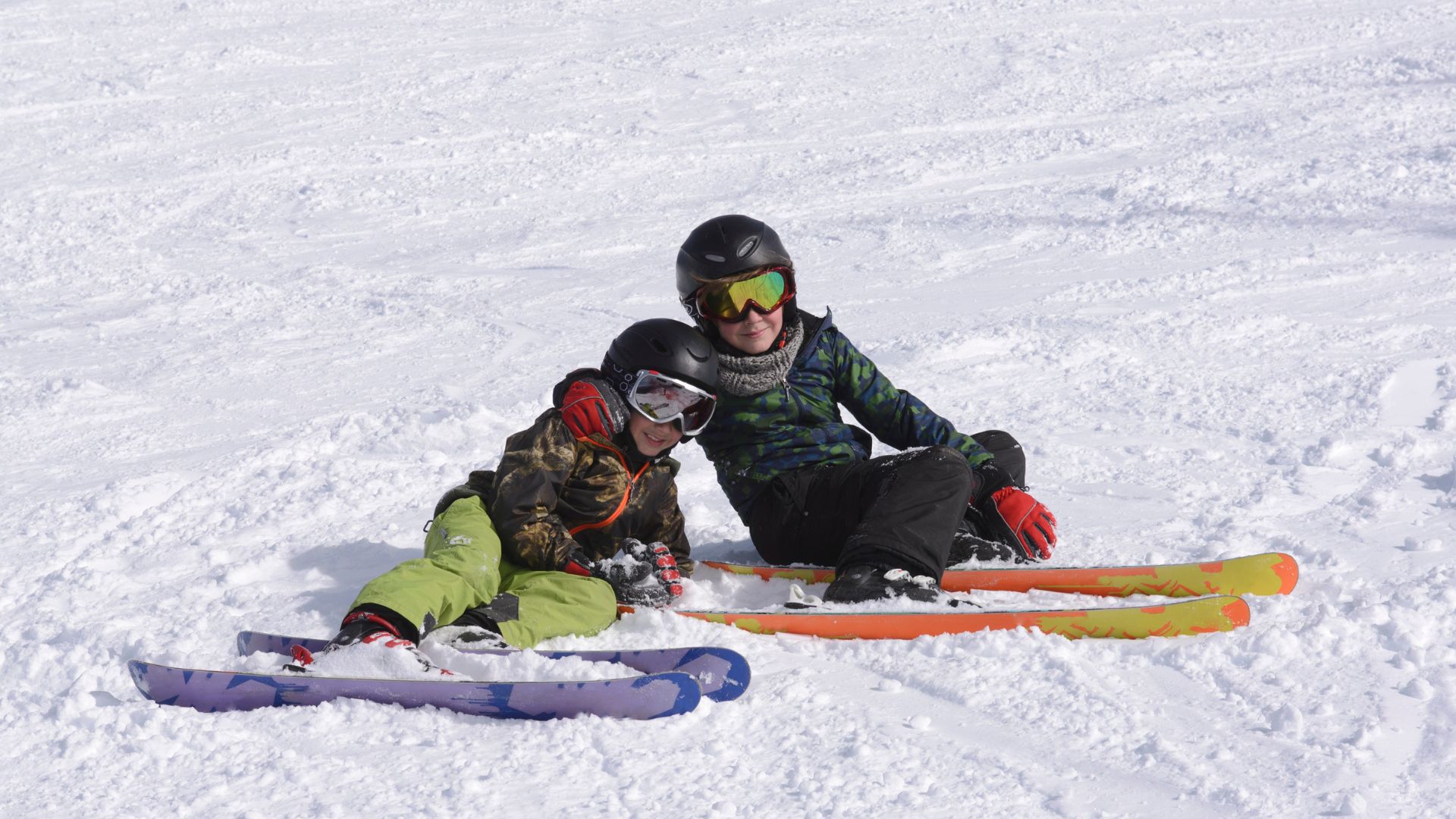
Adventure Ski & Snowboard School: Everything You Need to Know
Winter sports offer more than just excitement—they create confidence, discipline, and unforgettable experiences. Choosing an...
read More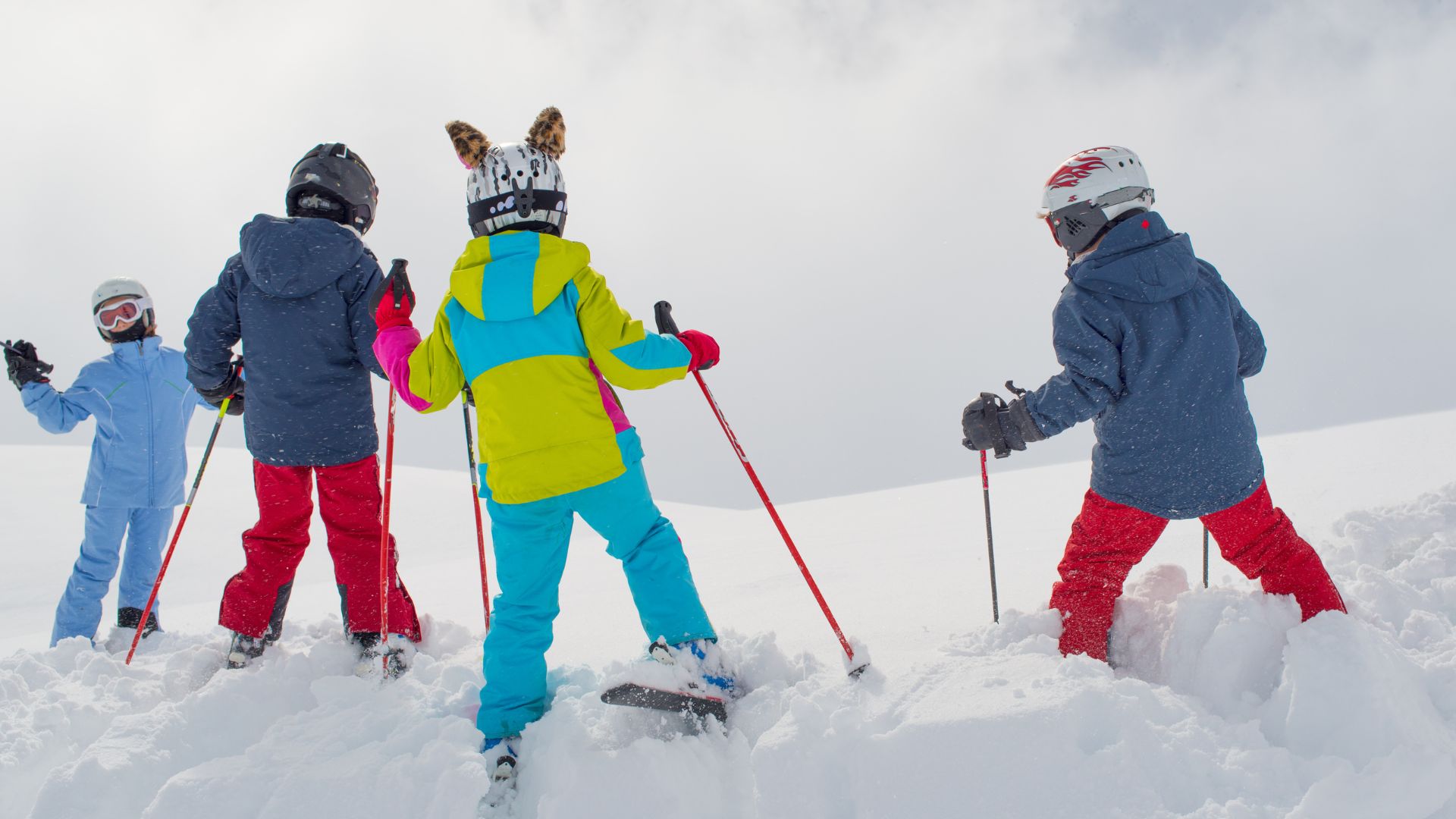
Best Ski Schools for Kids: What Truly Matters for Young Skiers
When children learn to ski the right way, it can shape how they feel about...
read More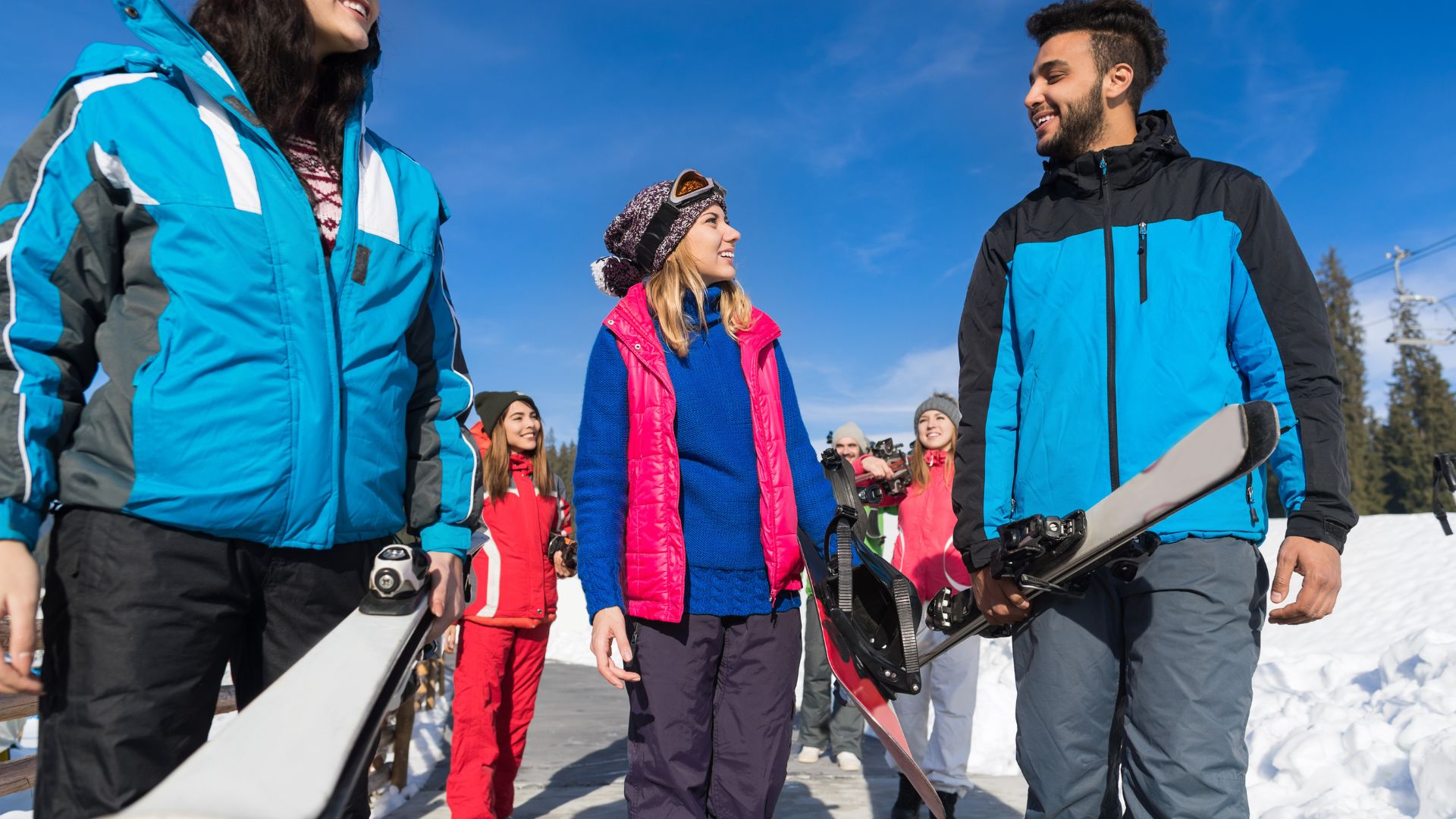
Understanding Skiing Boarding Schools and How They Work
Education does not always follow a traditional classroom-only path. For students who thrive in structured...
read More