
How To Prepare For High Altitude Skiing: A Guide to Thriving on the Slopes
November 25, 2024 | Skiing, Skiing Tips
Skiing at high altitudes is an exhilarating experience that combines stunning views and exciting terrain. However, it also brings unique challenges, such as reduced oxygen levels and the risk of altitude sickness. This guide offers practical advice to help you prepare, stay safe, and enjoy your time on the slopes at higher elevations.
What Makes High-Altitude Skiing Unique?
Skiing at high altitudes is different from skiing at sea level due to thinner air and reduced oxygen levels. These conditions can make physical activity more demanding, even for experienced skiers. While the thrill of high-elevation slopes is unmatched, the body needs time to adjust to the effects of altitude.
Read More: How to Train for Downhill Skiing
Why Preparation Matters
Higher altitudes require more endurance and strength, making physical readiness and hydration essential. With proper preparation, you can avoid common pitfalls like fatigue or altitude sickness, ensuring a safer and more enjoyable experience.
Understanding Altitude’s Effects on the Body
At high elevations, the air contains less oxygen, which can affect the body’s ability to function efficiently. The heart and lungs must work harder, especially during activities like skiing, which demand aerobic endurance.
Common Effects:
- Shortness of breath and increased heart rate.
- Fatigue due to reduced oxygen supply.
- Dehydration from drier air and increased respiration.
The body needs time to acclimatize to these changes, making gradual exposure to high altitudes important.
Recognizing and Preventing Altitude Sickness
Altitude sickness occurs when the body struggles to adapt to lower oxygen levels. Symptoms range from mild headaches and nausea to more severe conditions like HAPE (high-altitude pulmonary oedema) or HACE (high-altitude cerebral oedema).
Prevention Tips:
- Stay hydrated by drinking plenty of water throughout the day.
- Ascend gradually, spending time at lower altitudes before tackling higher slopes.
- Avoid alcohol, which can worsen dehydration and hinder acclimatization.
Recognizing early signs such as dizziness or fatigue can help prevent more severe complications.
Role of Hydration at High Altitudes
Proper hydration is crucial when skiing at high altitudes. The dry air and increased respiratory rate cause the body to lose water faster than at sea level.
How to Stay Hydrated:
- Carry a water bottle or hydration pack and drink regularly, even if you don’t feel thirsty.
- Opt for hydrating beverages like water or electrolyte drinks and avoid caffeine or alcohol.
- Monitor your urine colour—it should be light, not dark, indicating proper hydration levels.
Maintaining hydration helps prevent dizziness, fatigue, and other symptoms of altitude sickness.
Read More: What Is Snowkiting?
Acclimatizing to High Altitude
Acclimatization is the process of helping your body adjust to reduced oxygen levels at high elevations. Rushing into physical activities without acclimatizing increases the risk of fatigue and altitude sickness.
Steps to Acclimatize:
- Spend the first day at a lower elevation or take it easy on the slopes.
- Follow the “climb high, sleep low” principle—spend time at higher altitudes during the day but return to a lower altitude to sleep.
- Increase physical activity gradually to allow your body to adjust.
This approach ensures your body becomes accustomed to the new environment, reducing risks and enhancing performance.
Preparing Your Body for the High-Altitude Skiing
Skiing at high altitudes is physically demanding, requiring a good level of fitness to perform well and avoid exhaustion.
Fitness Preparation:
- Incorporate aerobic exercises like running or cycling to improve endurance and caloric burn.
- Strengthen leg and core muscles for better balance and control on the slopes.
- Practice flexibility and balance exercises to reduce the risk of injury.
A fit and well-prepared body adapts more easily to high altitudes, allowing you to enjoy your skiing experience.
Read More: What Kind of Skis Are Best for Snowkiting?
Packing Essentials for a High-Altitude Ski Trip
A well-packed ski bag ensures safety and comfort during your trip. High-altitude skiing requires some extra items to combat the challenges of the environment.
Must-Have Items:
- Clothing: Wear moisture-wicking base layers and insulated outerwear to stay warm.
- Hydration Gear: A reusable water bottle or hydration pack.
- Sun Protection: Sunscreen, lip balm, and sunglasses to shield against strong UV rays.
- Snacks: Energy-dense snacks to maintain strength and stamina.
Packing smartly will ensure you’re prepared for the physical and environmental demands of high-altitude skiing.
FAQs
Q: How can I minimize the risk of altitude sickness?
A: Stay hydrated, ascend gradually, and take it easy during your first days at high elevations.
Q: Is high-altitude skiing suitable for beginners?
A: Yes, but beginners should prepare thoroughly, acclimatize properly, and start on slopes suited to their skill level.
Q: What’s the best way to prepare physically for high-altitude skiing?
A: Focus on aerobic exercises, strength training, and flexibility to build endurance and reduce fatigue.
More Posts
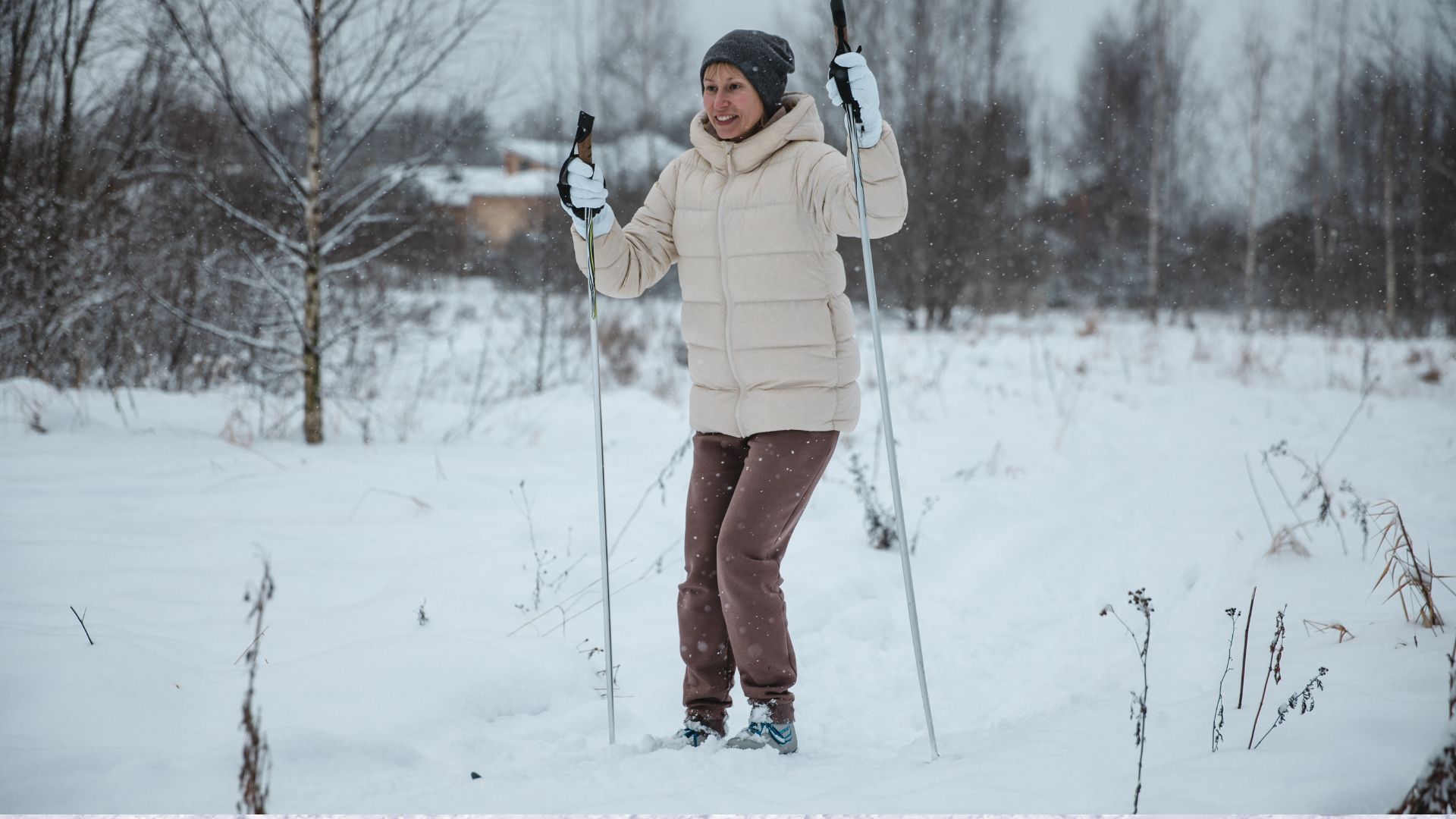
Cross‑Country Skiing: Techniques for Beginners
Cross‑country skiing is an exciting and rewarding winter sport that offers both a great workout...
read More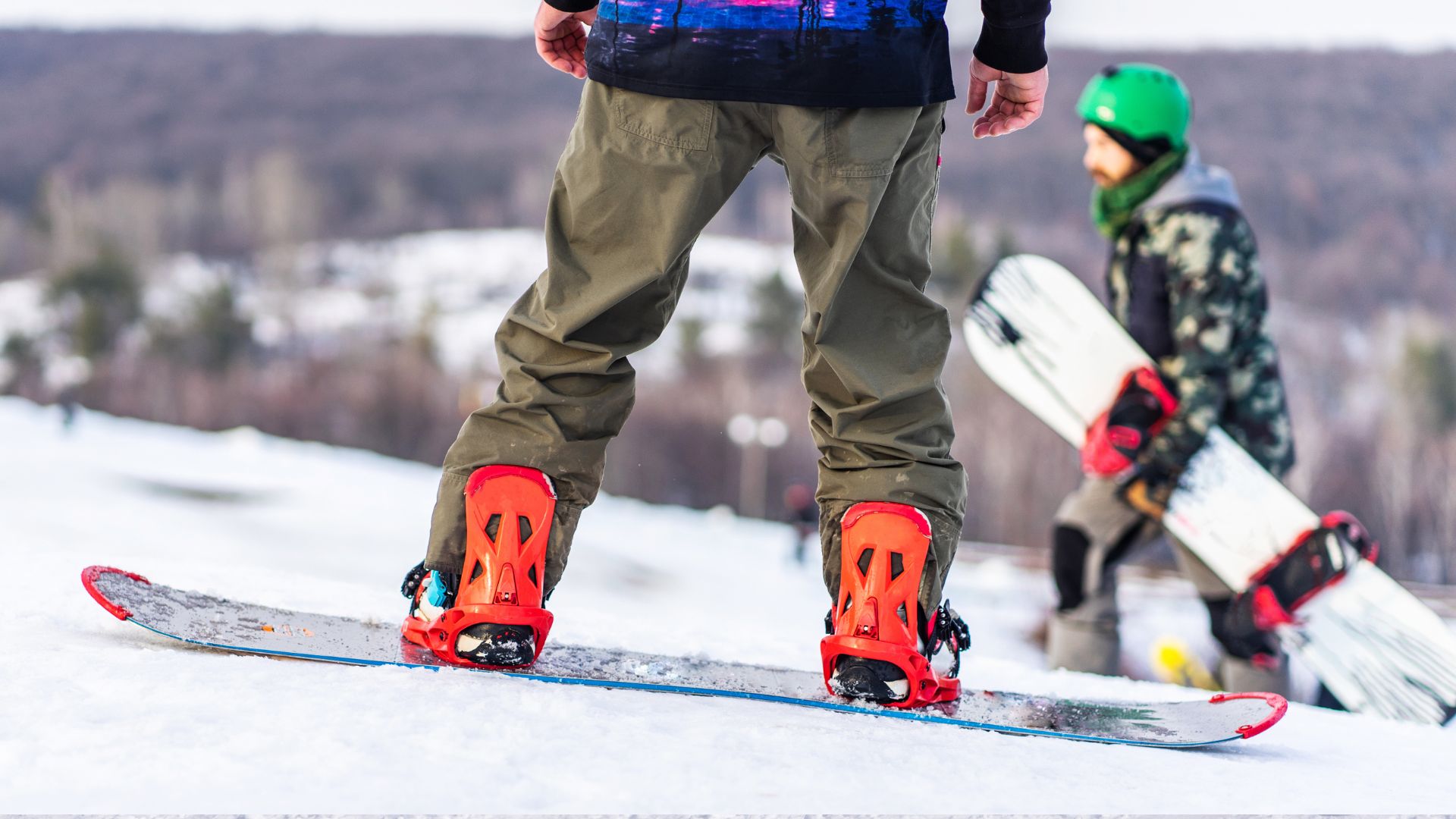
Snowboarding Boots: Essential Gear for 2026
Snowboarding boots are an essential part of your snowboarding gear, offering comfort, support, and performance...
read More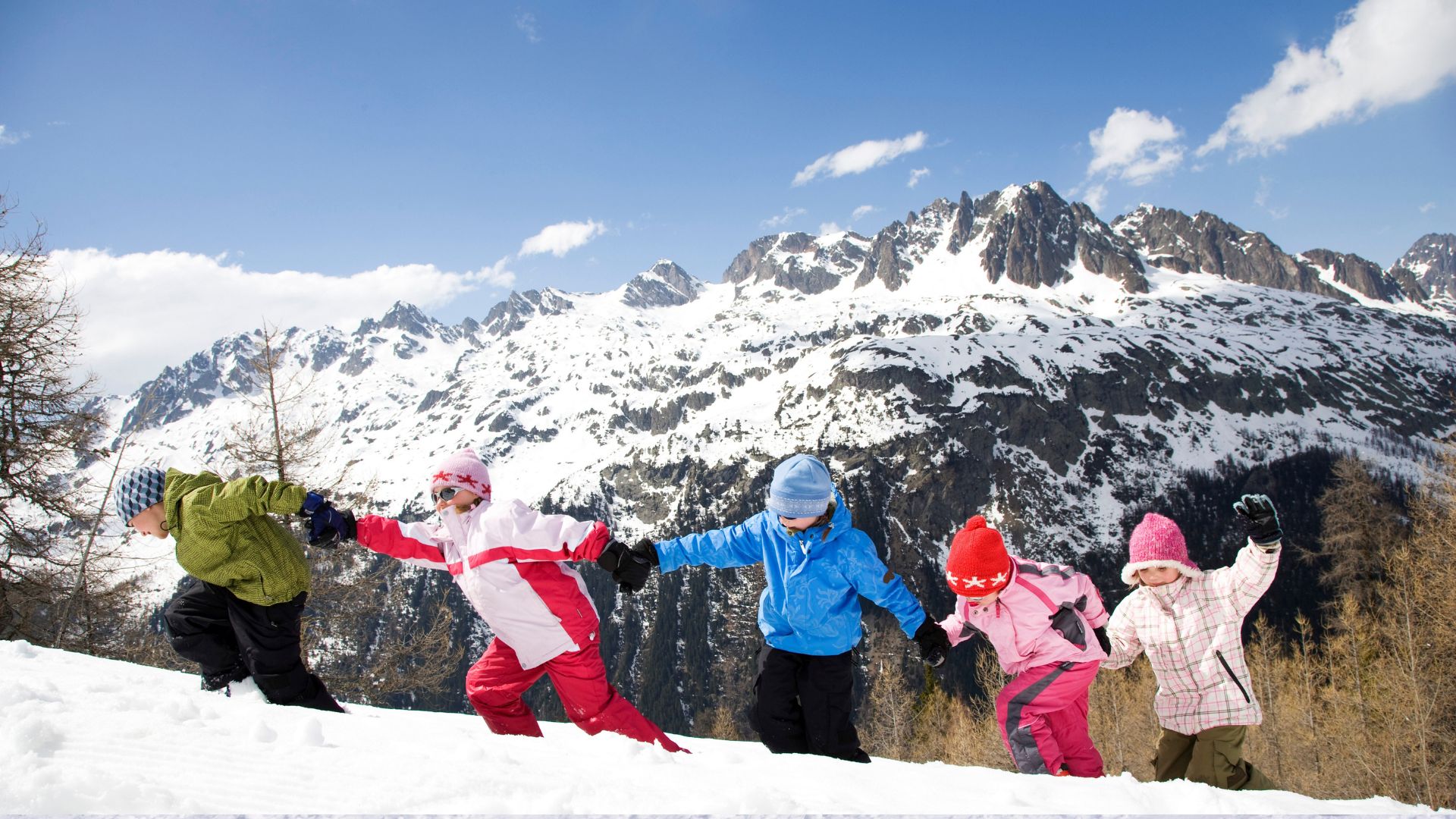
Best Kids Ski Schools: A Parent’s Complete Guide
Teaching your child how to ski is about more than just learning a new sport—it’s...
read More
Adventure Ski & Snowboard School: Everything You Need to Know
Winter sports offer more than just excitement—they create confidence, discipline, and unforgettable experiences. Choosing an...
read More
Best Ski Schools for Kids: What Truly Matters for Young Skiers
When children learn to ski the right way, it can shape how they feel about...
read More
Understanding Skiing Boarding Schools and How They Work
Education does not always follow a traditional classroom-only path. For students who thrive in structured...
read More