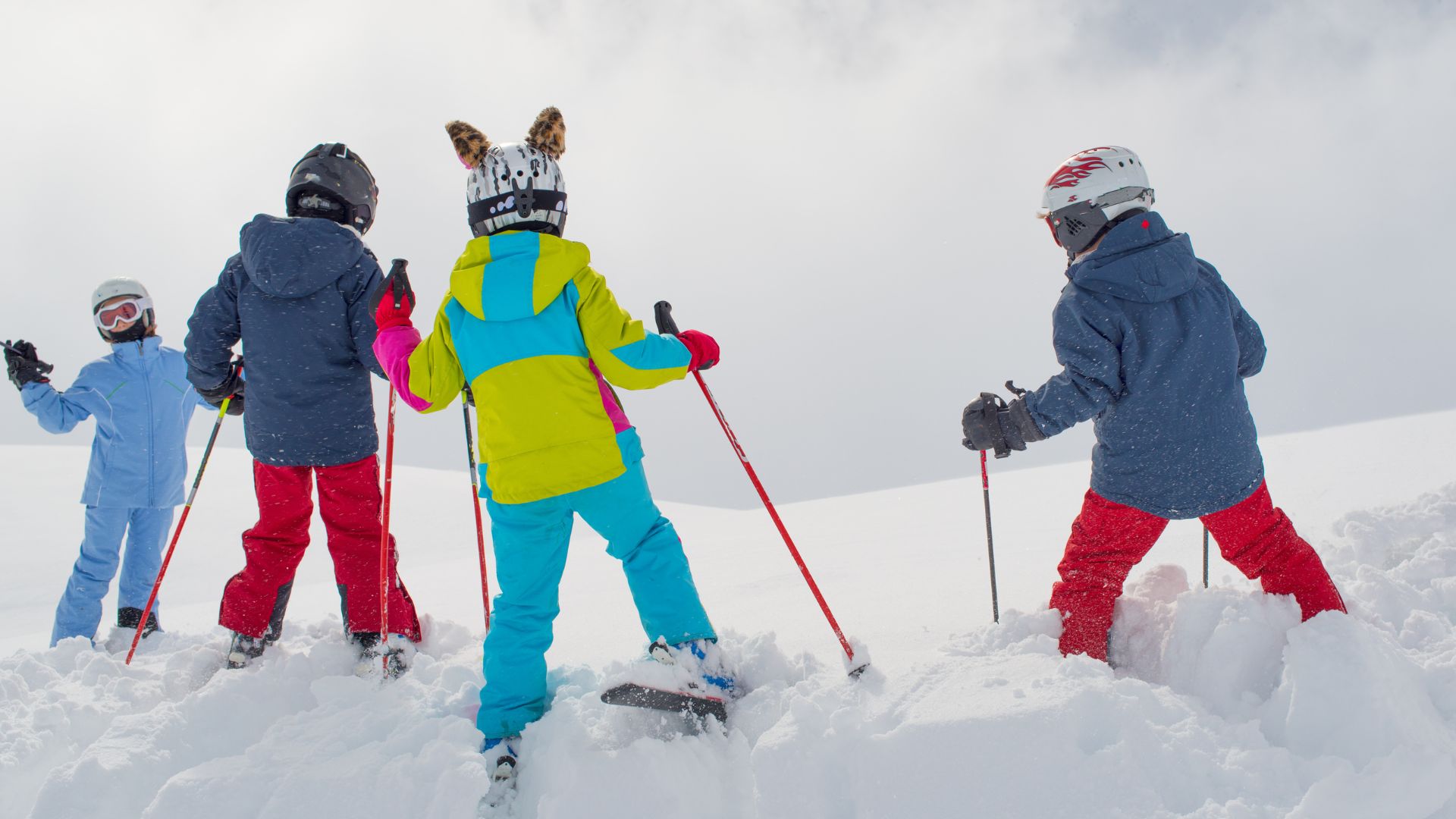
Skiing in powder can be an exhilarating experience, but it comes with its own set of challenges. Whether you’re a seasoned skier or a beginner, knowing how to maneuver in deep snow is essential for a smooth and enjoyable ride. In this guide, we’ll explore advanced tips on how to ski powder, ensuring you stay safe and get the most out of your powder skiing experience.
Why is This Article Worth Reading?
This article will help you master powder skiing techniques, ensuring you can confidently ski powder on both groomed trails and off-piste conditions. From tips on maintaining balance to advanced ski techniques for powder skiing, we’ll give you the tools to improve your skills and tackle powder day with ease.
What Is Powder Skiing?
Powder skiing refers to skiing on untracked, deep snow conditions, often found in backcountry and off-piste areas. Skiing in powder can feel like floating on a cloud, but it presents unique challenges compared to skiing on groomed trails. Unlike firm or packed snow, powder snow is much softer and deeper, making it harder to control your skis. Skiers often experience a sensation of sinking into the snow if they don’t adjust their skiing technique properly.
Why Powder Skiing Requires a Different Approach to Skiing
Powder skiing technique is quite different from skiing on hard-packed slopes. Skiers must adjust their weight distribution, ski stance, and movement in soft snow to prevent their skis from sinking or becoming bogged down. While skiing on groomed runs may require carving or precise turns, skiing powder requires a smoother, more controlled approach. A forward stance helps keep your skis on top of the snow, while staying balanced is crucial in powder conditions.
How to Ski in Powder: A Step-by-Step Guide
Learning how to ski powder requires patience and a few key techniques to keep your skis on top of the snow. Here’s a simple step-by-step guide for skiing in powder:
-
Stay Balanced: Keep your weight forward, as leaning back can cause your tips to dive into the snow, making it hard to maintain speed and control.
-
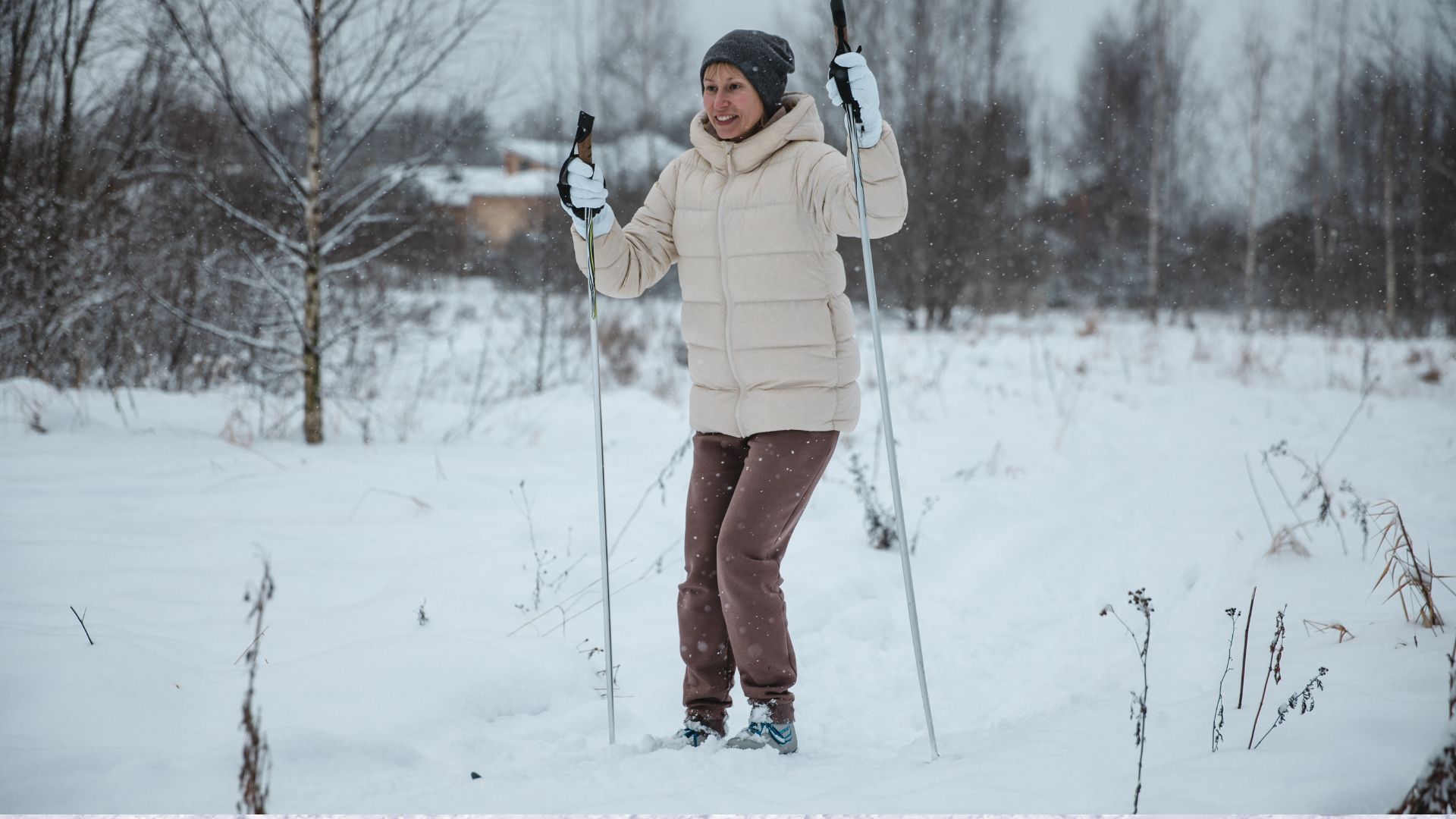
Use Your Poles: Ski poles help you maintain rhythm and stability while skiing through soft snow. They also assist in pushing yourself up after a fall.
-
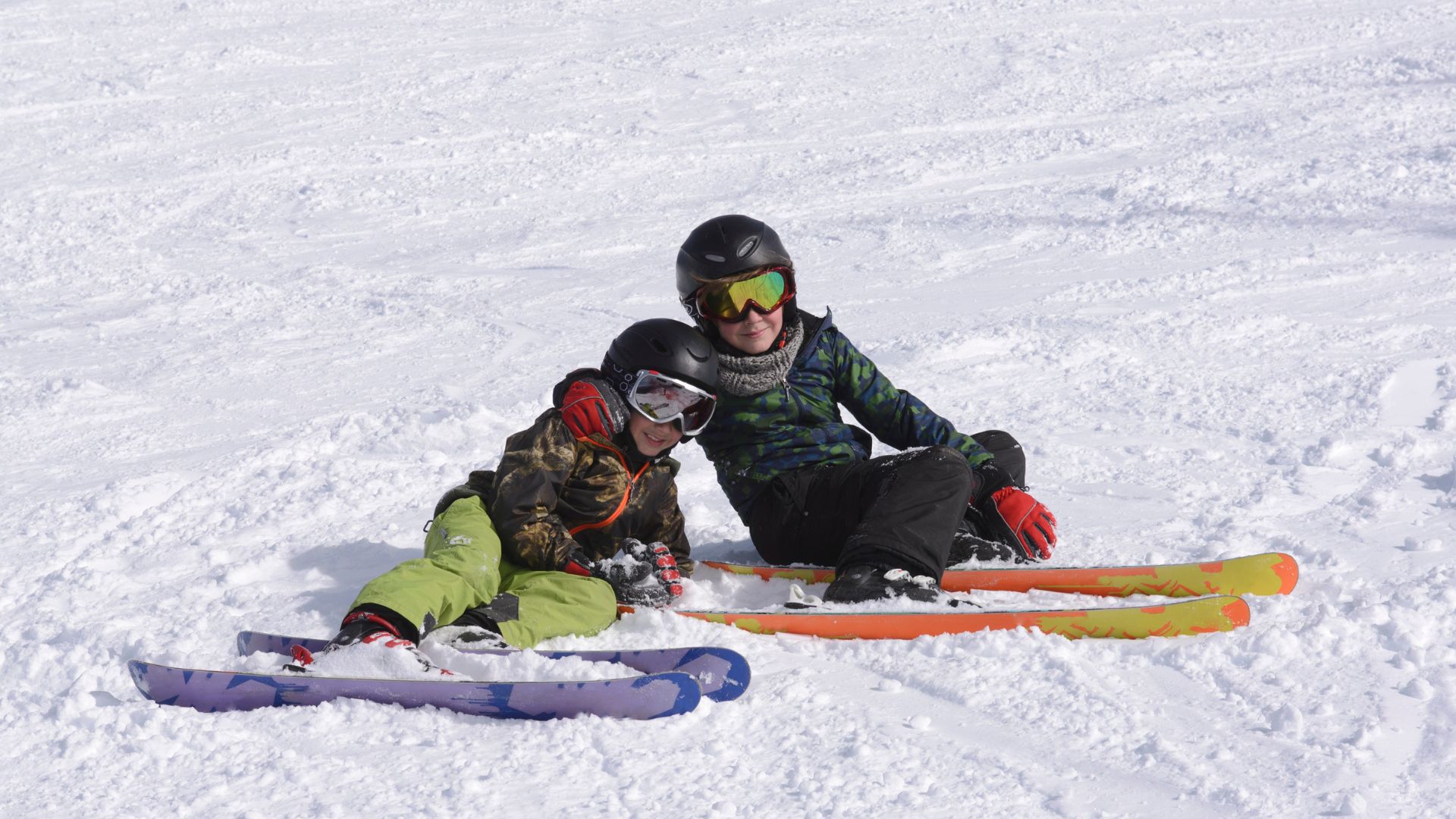
Wider Ski Stance: Keep your skis wider apart to improve floatation in deep powder. Fat skis are ideal for this purpose.
-
Gentle Turns: Powder skiing requires you to use a gentler approach when turning. Try to guide your skis across the hill with smooth, sweeping motions.
Common Mistakes When Skiing Powder and How to Avoid Them
Skiing in deep powder can be tricky, especially when you’re just starting. Here are some common mistakes to avoid:
-
Leaning Back: This is one of the biggest mistakes skiers make in powder. Leaning back causes your tips to dive into the snow, leading to difficulty in controlling your speed. Instead, maintain a centered or slightly forward stance.
-
Not Using Ski Poles: Ski poles are essential for balance and rhythm in powder snow. Forgetting to use them can make skiing harder and cause you to lose balance.
-
Trying to Ski Too Fast: Skiing powder requires slower, more deliberate movements. Rushing can result in loss of control, especially if you’re skiing off-piste or on steeper terrain.
Ski Powder vs. Groomed Snow: What’s the Difference?
Skiing on groomed trails is a completely different experience compared to skiing powder. Groomed slopes are firm and packed, providing a stable base for carving turns. In contrast, powder snow requires a completely different technique. The deeper, softer snow requires you to keep your skis on top of the surface, preventing them from sinking. The sensation is often described as floating, but this can only happen if you adjust your skiing technique accordingly.
Powder Skiing Tips for Beginners
For beginners learning how to ski powder, it’s important to start with the basics. Begin by practicing on easier terrain, away from steep slopes and off-piste areas. Here are some tips to help you get started:
-
Use Wider Powder Skis: These provide better floatation in soft snow, making it easier to stay on top.
-
Don’t Rush: Take your time when skiing powder. Speed control is crucial, and it’s easier to lose control if you’re skiing too fast.
Advanced Powder Skiing Techniques for Expert Skiers
Once you’ve gained some experience, you can start perfecting your powder skiing technique. Advanced skiers often focus on carving turns, skiing off-piste, and handling steeper slopes. Here are some tips for expert skiers:
-
Powder Turns: Focus on keeping your skis level with the snow and guiding them with a smooth, rhythmic motion.
-
Skiing Off-Piste: Skiing off-piste can be exhilarating, but it requires skill to navigate through deep, untracked snow. Always carry the necessary safety equipment like a beacon and shovel.
How to Improve Your Powder Skiing Skills
Improving your powder skiing technique takes time and consistent practice. Here are a few tips to help you advance:
-
Take Ski Lessons: Consider taking a ski lesson from a professional ski instructor. They can provide feedback and teach you advanced powder skiing techniques.
-
Practice in Different Conditions: Powder skiing can vary based on snow conditions. Practice skiing on soft snow, deep snow, and even fresh powder to hone your skills.
Essential Gear for Skiing in Powder
Having the right gear is essential for a successful powder skiing experience. Here are some essentials:
-
Fat Skis: These skis are wider and help you stay on top of the snow.
-
Ski Boots: Proper ski boots are crucial for control and comfort while skiing in powder.
-
Avalanche Safety Gear: If you’re skiing in off-piste areas, always carry avalanche safety gear such as a beacon, shovel, and probe.
Staying Safe While Skiing Off-Piste in Powder
Safety should always be a priority when skiing off-piste. Make sure to check avalanche conditions before heading out and always ski with a partner. Carry essential safety equipment and know how to use it in case of an emergency. If you fall in deep powder, try to stay calm and clear the snow around your bindings before attempting to put your skis back on.
Why Powder Skiing Is Worth the Effort
While powder skiing can be challenging, it’s well worth the effort for the unique experience it offers. The sensation of skiing on soft, deep snow is unlike anything else. With the right techniques and gear, you can enjoy the thrill of skiing powder and explore areas beyond the groomed slopes.
Conclusion
Mastering how to ski powder is a rewarding skill that can elevate your skiing experience. By applying the right techniques, using proper gear, and practicing consistently, you can confidently navigate powder snow, whether on groomed trails or off-piste. Remember, skiing in powder requires a different approach than regular slopes—staying balanced, using your poles, and maintaining control are all key to enjoying this exhilarating type of skiing. With the tips and techniques shared here, you’ll be well on your way to enjoying every powder day to the fullest. Keep practicing, stay safe, and most importantly—have fun on the slopes!