
How to Train for Downhill Skiing: 5 Essential Exercises to Boost Your Performance
October 28, 2024 | Skiing
Downhill skiing is an exhilarating sport that requires a combination of power, balance, and endurance. If you want to train for downhill skiing, it’s crucial to focus on strengthening the lower body, improving your core stability, and enhancing agility to handle steep slopes at high speeds. In this guide, we’ll explore 5 essential exercises that will help you develop the physical abilities needed for downhill skiing. This article is packed with expert advice on creating a ski workout routine tailored specifically for tackling those challenging slopes. Whether you’re an experienced skier or preparing for your first run, this article will set you up for success.
What Makes Downhill Skiing Unique and Physically Demanding
Downhill skiing presents unique physical challenges due to the high speeds, steep angles, and quick turns involved. Your body needs to absorb shocks, maintain balance, and exert significant strength to remain in control. The dynamic movements, such as carving turns and managing rapid changes in direction, rely heavily on strong quads, glutes, and a solid core. In addition, dowhill skiing places high demands on cardiovascular endurance, requiring you to build stamina for longer runs down steep slopes.
Key Muscles to Train for Downhill Skiing
To train for downhill skiing, you’ll need to target specific muscle groups. These include:
- Quadriceps: These muscles help you maintain a steady skiing position and absorb the impact of bumps.
- Hamstrings and Glutes: Critical for providing power and stability during turns and jumps.
- Core Muscles: Your core keeps your body aligned and stable, preventing falls and helping you control your movement on the slopes.
- Calves and Ankles: These help with balance and support as you shift weight from one ski to the other.
Strengthening these muscles ensures that you’re physically prepared for the demands of downhill skiing.
Read More: How Many Ski Lessons Does a Beginner Need
5 Essential Exercises
Incorporate these 5 exercises into your training regimen to improve your downhill skiing performance:
- Wall Sits: This is an excellent exercise to simulate the ski position. Sit with your back against a wall and knees at a 90-degree angle. Hold this position for as long as possible. This strengthens your quads, which are crucial for maintaining control while skiing.
- Lateral Lunges: These build leg strength and flexibility, which are essential when making quick side-to-side movements on the slopes.
- Planks with Leg Lifts: Strengthen your core muscles and glutes while improving balance, which helps you keep steady as you speed downhill.
- Jump Squats: This explosive power exercise mimics the bursts of energy required for jumping and quick turns on the slope.
- Single-Leg Deadlifts: Improve balance and coordination by focusing on one leg at a time. This exercise will help you transition smoothly between turns on the ski slopes.
Building Strength for Steep Slopes: Lower Body Focus
Lower body strength is critical for downhill skiing, as your legs bear the brunt of the work. Exercises like squats, lunges, and deadlifts target your quads, glutes, and hamstrings—the main muscles used when you carve through snow or maintain a tucked position on steep slopes.
Strengthening these muscles allows you to stay in control, especially during sudden movements or when navigating uneven terrain. Make sure to incorporate variations of these exercises, such as adding resistance with dumbbells, to further enhance your strength for skiing.
How Core Strength Supports Your Downhill Skiing Technique
A strong core is essential for maintaining balance and control while skiing. When skiing downhill at high speeds, your core stabilizes your body, preventing unnecessary shifts that can throw you off balance.
Planks, Russian twists, and oblique crunches are excellent exercises for engaging the muscles around your torso. These exercises will help you stay centered and maintain a solid posture, which is essential for controlling your ski movements and improving your skiing technique.
Agility and Balance
Agility and balance are key components of successful downhill skiing. Being able to shift your weight quickly and precisely is vital when you’re carving down a slope at high speed. Exercises that focus on single-leg movements, such as single-leg deadlifts, are excellent for improving balance and agility.
In addition to improving your physical strength, balance training will enhance your body’s ability to react quickly to changes in terrain, helping you avoid falls and navigate tricky turns more effectively.
Endurance Training for Skiing
Endurance is another crucial element in downhill skiing, especially for those planning to tackle longer or more challenging runs. Endurance training prepares your body to perform well over time, allowing you to keep skiing longer without fatigue.
Incorporating minutes of cardio exercises such as running, cycling, or rowing can significantly improve your aerobic fitness. High-intensity interval training (HIIT) is also beneficial because it mimics the bursts of effort you’ll need when skiing downhill.
Preventing Injuries While Downhill Skiing
Injury prevention is paramount for skiers, and training helps reduce your risk of injury on the slopes. Strengthening your knees and hips through exercises like lunges and squats ensures they can withstand the strain of skiing. Additionally, working on balance exercises and core stability helps prevent falls, which are a major cause of skiing-related injuries.
Before starting any run, always warm up properly to prepare your muscles and joints for the exertion. Flexibility exercises and stretching will also improve your range of motion and further lower your risk of injury.
Cardio for Downhill Skiing
Cardio plays an essential role in preparing your body for the physical demands of downhill skiing. Skiing, particularly on challenging slopes, requires stamina, and cardio workouts help build the endurance needed to maintain energy levels throughout your skiing session.
For best results, aim for a mix of steady-state cardio (such as running or cycling) and high-intensity interval training. This combination will enhance both your aerobic and anaerobic systems, allowing you to ski for extended periods without getting winded.
Read More: What are Ski Sticks Called?
Next Steps: Developing a Ski-Specific Training Plan
Now that you understand the key components of training for downhill skiing, it’s time to develop a personalized training plan. Here’s what to keep in mind:
- Focus on lower body strength with exercises like squats, lunges, and deadlifts.
- Build core strength through planks and other stability exercises.
- Work on balance and agility with single-leg movements.
- Incorporate cardio into your routine to improve stamina.
- Train three times a week leading up to the ski season.
By following this comprehensive training plan, you’ll be ready to hit the slopes with confidence and enjoy an injury-free, exhilarating ski season.
More Posts
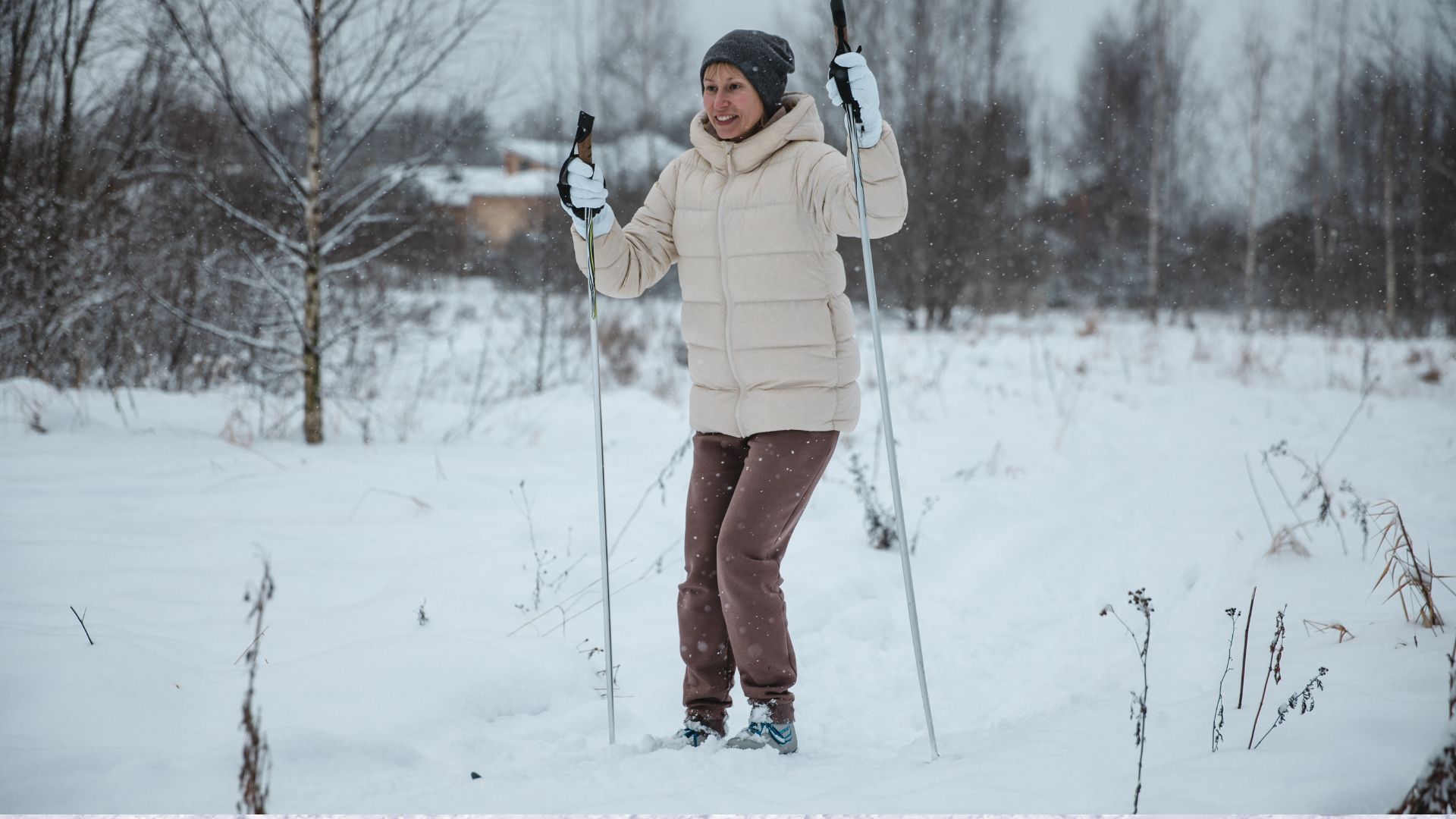
Cross‑Country Skiing: Techniques for Beginners
Cross‑country skiing is an exciting and rewarding winter sport that offers both a great workout...
read More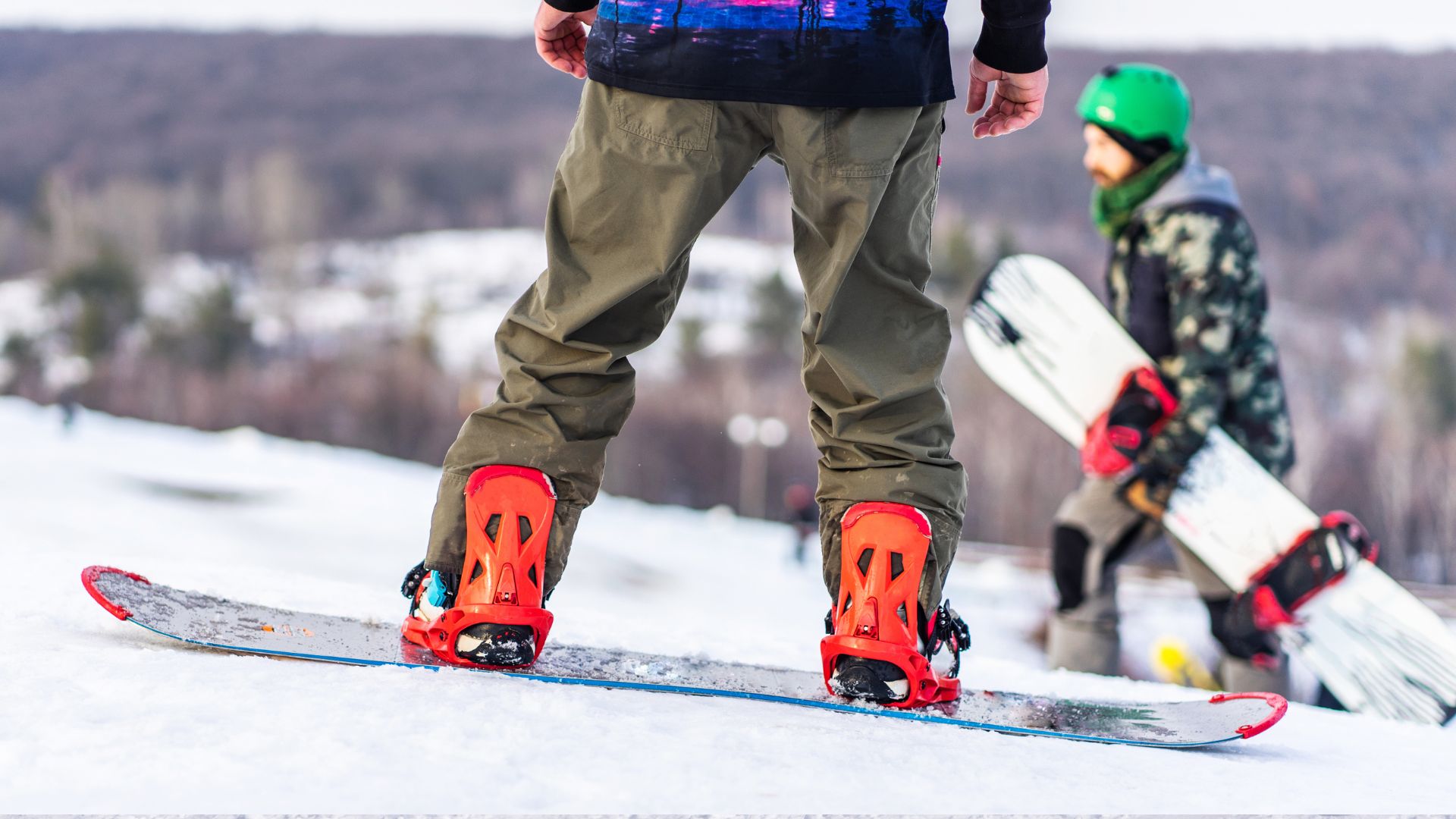
Snowboarding Boots: Essential Gear for 2026
Snowboarding boots are an essential part of your snowboarding gear, offering comfort, support, and performance...
read More
Best Kids Ski Schools: A Parent’s Complete Guide
Teaching your child how to ski is about more than just learning a new sport—it’s...
read More
Adventure Ski & Snowboard School: Everything You Need to Know
Winter sports offer more than just excitement—they create confidence, discipline, and unforgettable experiences. Choosing an...
read More
Best Ski Schools for Kids: What Truly Matters for Young Skiers
When children learn to ski the right way, it can shape how they feel about...
read More
Understanding Skiing Boarding Schools and How They Work
Education does not always follow a traditional classroom-only path. For students who thrive in structured...
read More