
Off Piste Ski Training: Master Backcountry Skiing
September 11, 2025 | Piste Skiing
Off piste ski training is essential for anyone wishing to elevate their skiing skills beyond the groomed slopes. At Find a Ski School, we specialise in helping skiers gain confidence in backcountry terrain while remaining safe. Whether you’re interested in off piste ski lessons, backcountry ski training, or improving your freeride skiing technique, proper instruction can make all the difference. Learning how to navigate powder snow, practise ski touring, and apply winter sports safety tips ensures your adventures remain thrilling without unnecessary risk. In this guide, we’ll cover techniques, equipment, safety strategies, and expert advice for off piste skiing.
What is Off Piste Ski Training?
Off piste ski training focuses on skiing in ungroomed, natural terrain outside marked runs. Unlike regular slopes, off piste areas offer fresh powder, steep descents, and unique challenges that require skill, balance, and careful planning. Proper training is crucial for understanding backcountry safety, improving skiing in powder snow, and mastering techniques that make freeride skiing both enjoyable and safe.
Essential Skills for Off Piste Ski Lessons
Learning off piste skiing isn’t just about skiing fast; it’s about control, awareness, and adaptability. Key skills include:
- Freeride Skiing Technique: Master short-radius turns, rhythm, and body positioning to glide through powder snow efficiently.
- Ski Touring Skills: Navigate uphill and downhill routes with stamina and precision, essential for backcountry ski training.
- Speed Control and Balance: Adjust speed for steep slopes, uneven terrain, or hidden obstacles.
- Reading Snow Conditions: Assess snow stability and understand avalanche risks before tackling new slopes.
- Emergency Manoeuvres: Quick recovery from falls and techniques to manage challenging terrain safely.
Essential Equipment for Off Piste Ski Training
Having the right equipment enhances both performance and safety. Must-have items include:
- Wide Powder Skis: Designed to float on deep snow for smoother navigation.
- Avalanche Safety Tools: Transceiver, probe, and shovel are crucial for backcountry safety.
- Protective Clothing: Layered, waterproof, and breathable apparel ensures comfort and protection.
- Helmet and Protective Gear: Safeguards against falls and hidden obstacles.
- Backpack Essentials: Hydration, snacks, first aid, and navigation tools for longer ski tours.
Enhance your off piste skills, book expert off piste ski lessons today with Find a Ski School!
Safety Tips for Backcountry Ski Training
Safety is the cornerstone of any off piste ski training programme. Key guidelines include:
- Check Avalanche Reports: Avoid areas with high-risk snow conditions.
- Never Ski Alone: Always ski with a partner or a guided instructor.
- Professional Training: Certified instructors teach proper techniques for skiing in powder snow and backcountry safety.
- Plan Your Route: Know entry and exit points and identify potential hazards.
- Emergency Preparedness: Carry communication devices and know how to react to unexpected situations.
Following winter sports safety tips consistently reduces risk and ensures your off piste experience remains exciting and controlled.
Benefits of Off Piste Ski Training
Participating in off piste ski training offers:
- Advanced Skill Development: Improve control, turns, and confidence on variable terrain.
- Adventure and Exploration: Discover untouched snow and challenging backcountry landscapes.
- Fitness and Endurance: Skiing in powder snow and practising ski touring enhances strength and stamina.
- Confidence in Safety: Learn how to manage risks effectively with proper instruction and equipment.
Ready for adventure? Contact us to start your backcountry ski training today!
FAQs About Off Piste Ski Training
Q1: Do I need to be an expert skier for off piste ski lessons?
No, many courses cater to intermediate skiers. Training is designed to build skills gradually while maintaining safety.
Q2: What is the difference between off piste ski training and regular ski lessons?
Off piste ski training focuses on ungroomed terrain, powder snow navigation, and backcountry safety, while regular lessons usually focus on groomed slopes.
Q3: How can I learn backcountry safety?
Enrol in certified courses that teach avalanche awareness, safety gear usage, and emergency response.
Q4: Can I practise freeride skiing technique on groomed slopes?
Certain elements, like balance, turns, and rhythm, can be practised on groomed slopes, but real off piste conditions are necessary for full training.
Conclusion:
Off piste ski training opens the door to thrilling backcountry adventures while emphasising safety through expert guidance. Whether it’s mastering freeride skiing techniques, practising ski touring, or enhancing winter sports safety skills, proper training ensures an unforgettable skiing experience. By developing the right skills, understanding snow conditions, and following safety protocols, skiers can confidently embrace the challenge and excitement of skiing in powder snow. With preparation and practice, every off piste adventure can be both exhilarating and safe.
More Posts
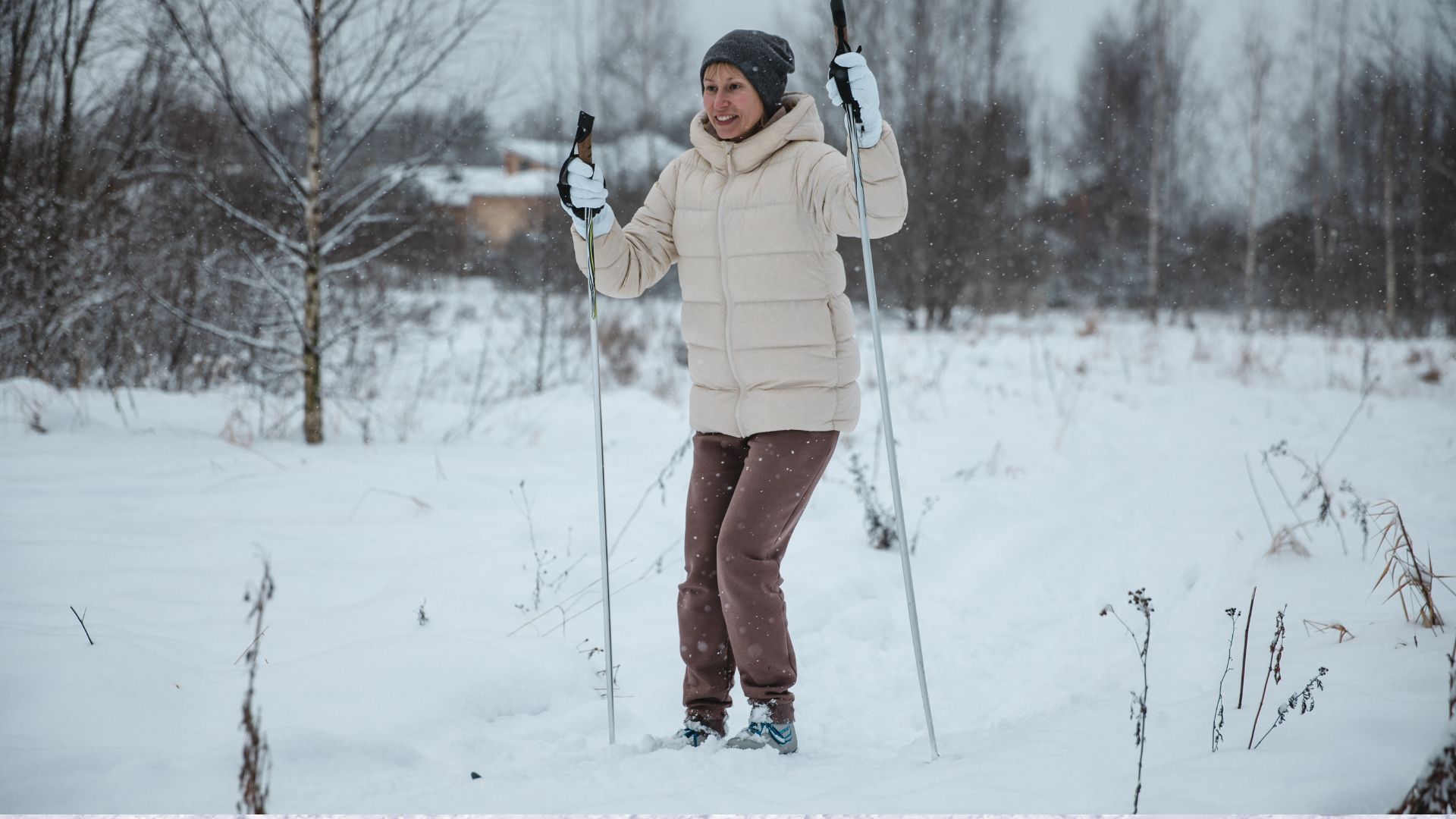
Cross‑Country Skiing: Techniques for Beginners
Cross‑country skiing is an exciting and rewarding winter sport that offers both a great workout...
read More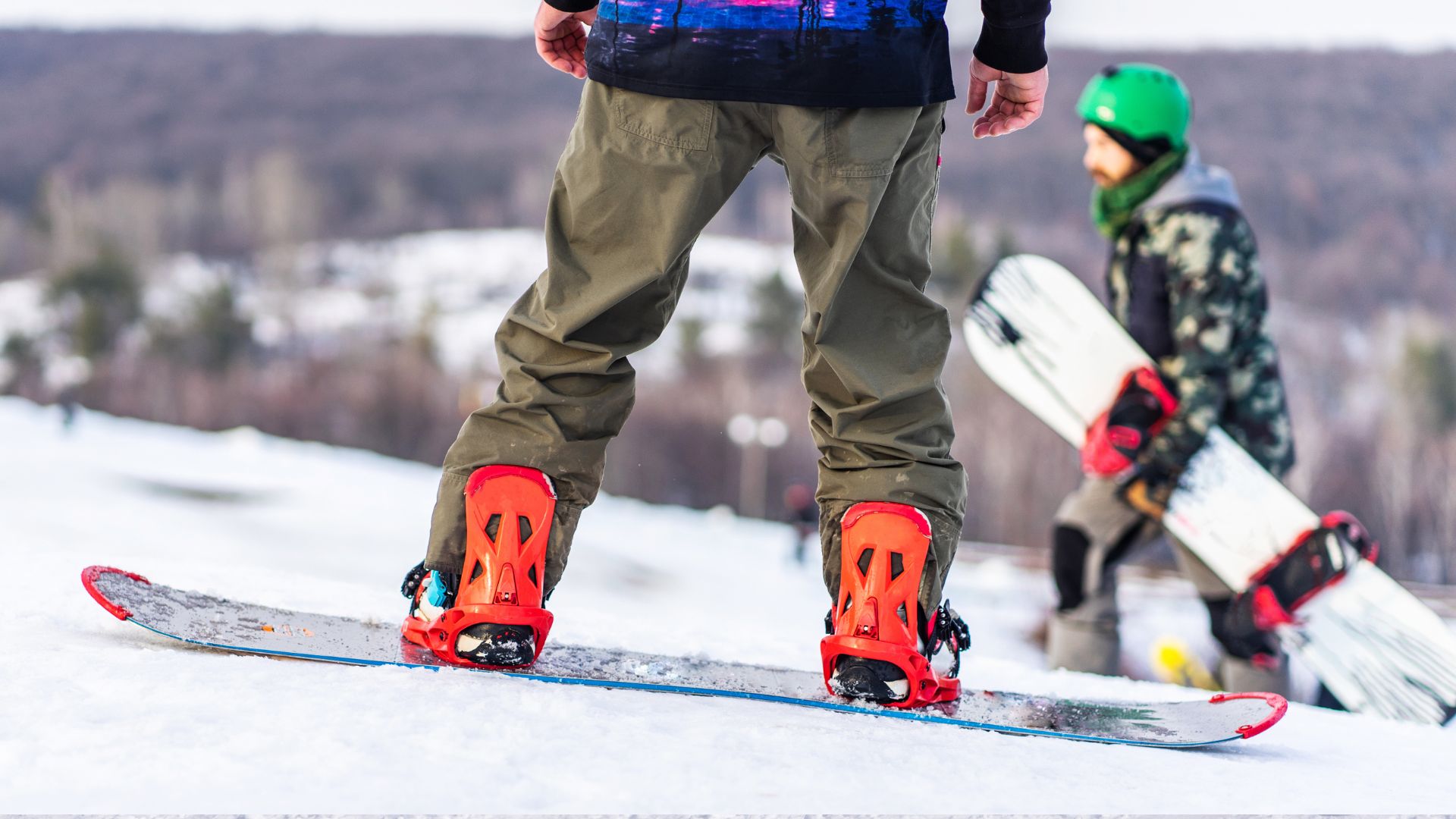
Snowboarding Boots: Essential Gear for 2026
Snowboarding boots are an essential part of your snowboarding gear, offering comfort, support, and performance...
read More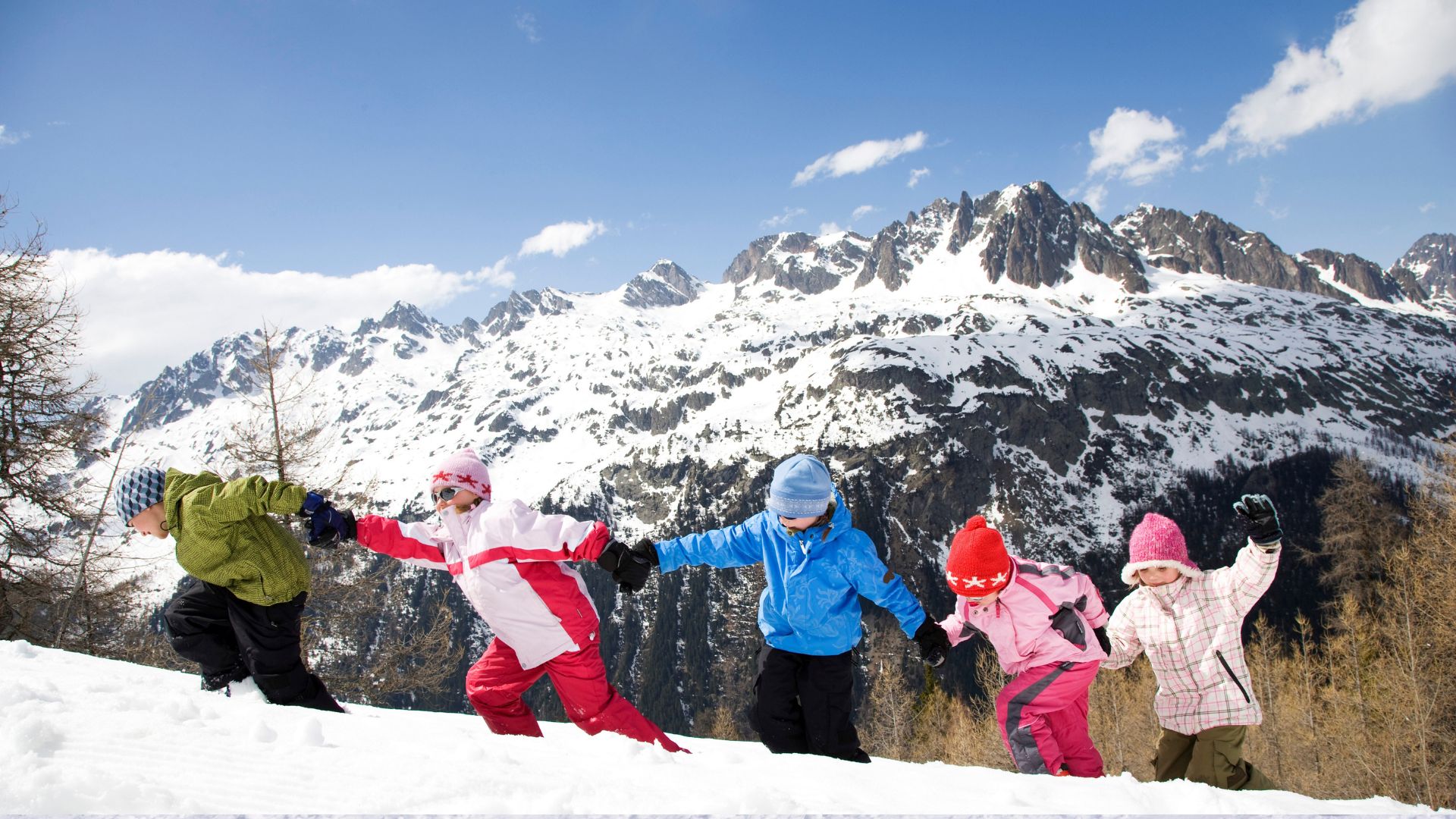
Best Kids Ski Schools: A Parent’s Complete Guide
Teaching your child how to ski is about more than just learning a new sport—it’s...
read More
Adventure Ski & Snowboard School: Everything You Need to Know
Winter sports offer more than just excitement—they create confidence, discipline, and unforgettable experiences. Choosing an...
read More
Best Ski Schools for Kids: What Truly Matters for Young Skiers
When children learn to ski the right way, it can shape how they feel about...
read More
Understanding Skiing Boarding Schools and How They Work
Education does not always follow a traditional classroom-only path. For students who thrive in structured...
read More