
Parallel Skiing Common Mistakes Every Beginner Should Avoid
November 17, 2025 | Skiing
Parallel skiing is a big milestone for anyone who wants to move past the snowplough and start skiing with more confidence. It feels smooth, fast, and controlled once you get it right. But most beginners run into the same problems, turning their early attempts into frustration instead of fun. This guide breaks down the parallel skiing common mistakes beginners often face and how to avoid them, all while keeping your learning curve steady and stress-free.
Whether you’re preparing for your first lesson, planning a ski holiday, or improving your technique, avoiding these mistakes can help you progress faster and ski more comfortably on different slopes.
1. Leaning Too Far Back
One of the biggest parallel skiing mistakes beginners make is sitting back on their skis. When you lean too far behind your boots, you lose control, and your turns become wider and harder to manage. This usually happens due to fear of speed or lack of confidence.
How to Fix It
Keep your hips slightly forward, knees soft, and shoulders relaxed. Think of staying “centered” instead of bending backward. Simple ski posture tips, like keeping your shins gently pressing against your boot, can make your turns smoother and more controlled.
2. Turning With Just the Upper Body
Beginners often try to force a turn using only their shoulders, which makes the skis skid rather than glide. Proper parallel skiing comes from leg movement, not twisting your torso.
How to Fix It
Focus on guiding the turn with your legs and ankles. Keep your upper body facing downhill instead of turning with each movement. This helps your skis stay parallel and gives you better balance on the slope.
3. Not Keeping Skis Close Enough
A wide stance is common among first-time parallel skiers. It feels stable, but it makes linking turns harder and slows down your progress. On the other hand, keeping skis too close together can also throw off your balance.
How to Fix It
Aim for a hip-width stance. This gives you balance while helping you shift your weight from one ski to the other. Once the stance becomes natural, your turns will feel more fluid and consistent.
4. Ignoring Your Weight Shift
Parallel skiing relies heavily on smooth weight transfer. Many beginners forget to move their weight to the outside ski during a turn, causing the inside ski to wobble or drift.
How to Fix It
When you start a turn, gently shift your weight onto your outside ski. Think of it as “pressing” that ski a little more. Practice gentle side-to-side movements on an easy slope to make it feel natural.
5. Looking Down Instead of Forward
Many new skiers stare at their skis because they’re afraid of losing balance. But this creates stiffness and reduces your ability to react.
How to Fix It
Keep your eyes looking ahead, not at the ground. This gives you better balance and lets you read the slope clearly. Good visibility helps you time your turns and keep your skis working smoothly.
6. Overthinking Every Movement
When learning how to parallel ski, beginners sometimes try to control every tiny motion. This leads to stiff legs, poor posture, and slow reactions.
How to Fix It
Keep movements simple and natural. Focus on rhythm, turn, glide, turn. Once you trust your body, the technique becomes easier and progress feels faster.
7. Skipping the Basics Too Early
Many learners push into parallel skiing before they’re ready. Without strong fundamentals, advanced movements feel difficult.
Why It Matters
The snowplough may feel slow, but it builds stability and teaches edge control. Without these basics, parallel skiing becomes frustrating.
8. Not Taking Private Lessons When Necessary
A lot of beginners try to learn on their own or with help from friends. While this works for some, most people progress much faster with structured instruction.
Benefits of Private Ski Lessons
Private lessons help instructors focus on your specific weaknesses, whether it’s posture, turning technique, or confidence. A good ski instructor can correct mistakes early before they turn into habits.
If you plan to learn at a ski resort, using a ski school booking guide can help you pick the right school, compare lesson types, and choose between group or private sessions.
9. Using Equipment That Doesn’t Fit
Poor-fitting boots or skis that aren’t suited for beginners can slow learning and cause posture problems. Many new skiers struggle simply because the equipment isn’t adjusted properly.
How to Fix It
Always get boots fitted by a professional. Make sure your skis match your height, weight, and experience level. A proper setup builds control and comfort.
10. Starting Too Late or Too Early
Parents often wonder about the best age to start skiing. While adults can learn at any age, children learn smoother turns earlier because they’re flexible and fearless. However, starting too young can overwhelm some kids.
General Guideline
Ages 4 6 are usually ideal for kids to start learning basic skiing movements. But adults can learn parallel skiing at any age with patience and the right guidance.
Beginner Skiing Mistakes to Avoid at All Costs
Here’s a quick summary of the beginner skiing mistakes to avoid as you progress toward confident parallel skiing:
- Sitting too far back
- Turning with the shoulders instead of the legs
- Skis are too wide or too narrow
- Ignoring weight transfer
- Looking at your feet instead of ahead
- Rushing into parallel turns
- Wearing the wrong equipment
- Avoiding ski instruction
By staying aware of these common errors, your skiing journey becomes smoother, safer, and far more enjoyable.
Why Booking the Right Ski School Matters
Every skier learns differently. A good instructor can help you avoid the common errors in parallel skiing, fix posture, build confidence, and progress at a comfortable pace. With the help of a proper ski school booking guide, you can compare schools, lesson types, and pricing before choosing the ideal match.
Learning parallel skiing doesn’t have to be difficult. With the right guidance, correct posture, and awareness of these mistakes, beginner skiers can enjoy steady improvement on every run.
FAQs
Q1: What level should I be before learning parallel skiing?
You should be comfortable controlling speed and turning using the snowplough.
Q2: Is parallel skiing hard for beginners?
It’s challenging at first, but correct posture and good lessons make it easier.
Q3: Do private lessons help with parallel skiing?
Yes, they speed up progress and help correct mistakes early.
More Posts
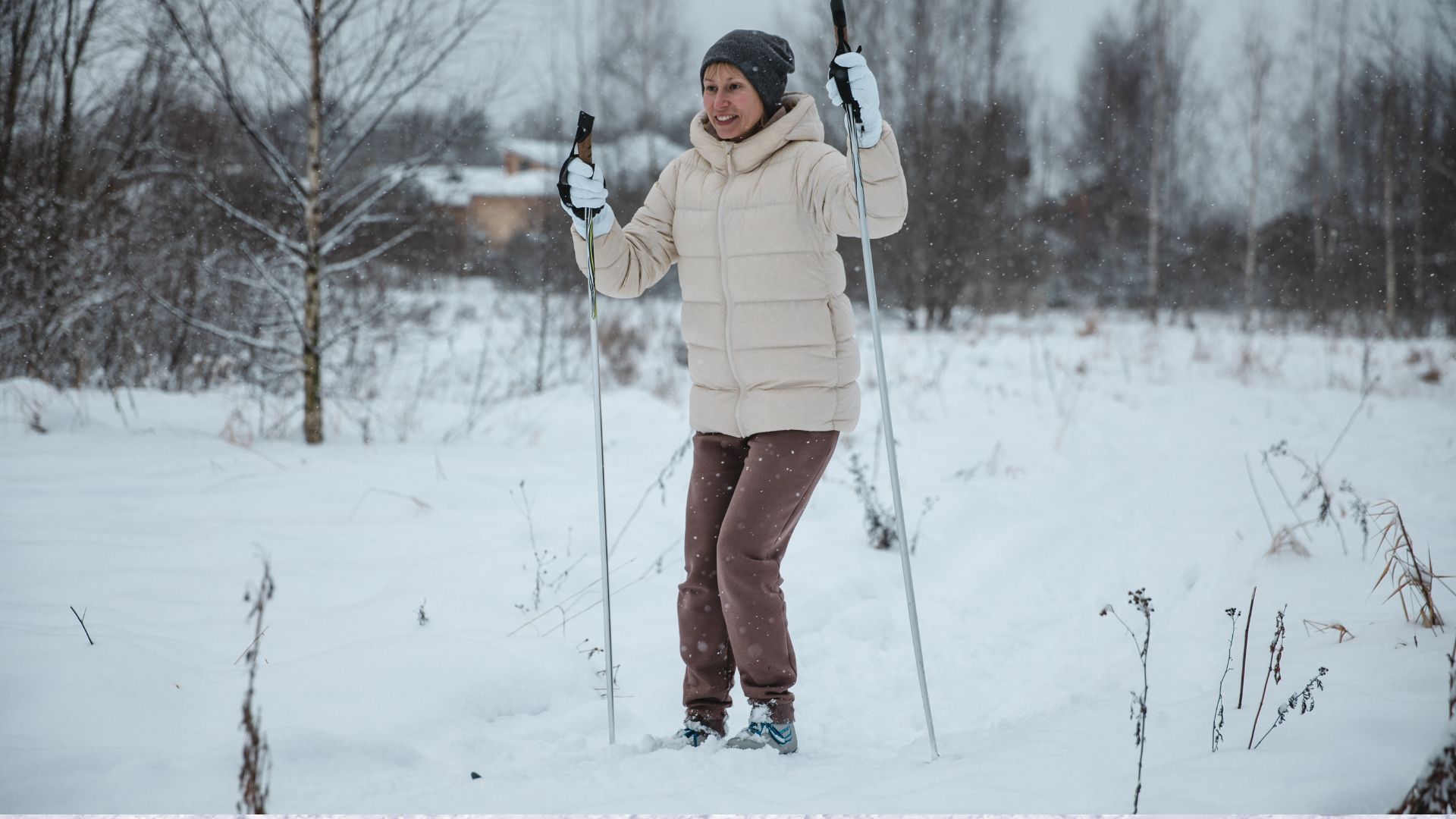
Cross‑Country Skiing: Techniques for Beginners
Cross‑country skiing is an exciting and rewarding winter sport that offers both a great workout...
read More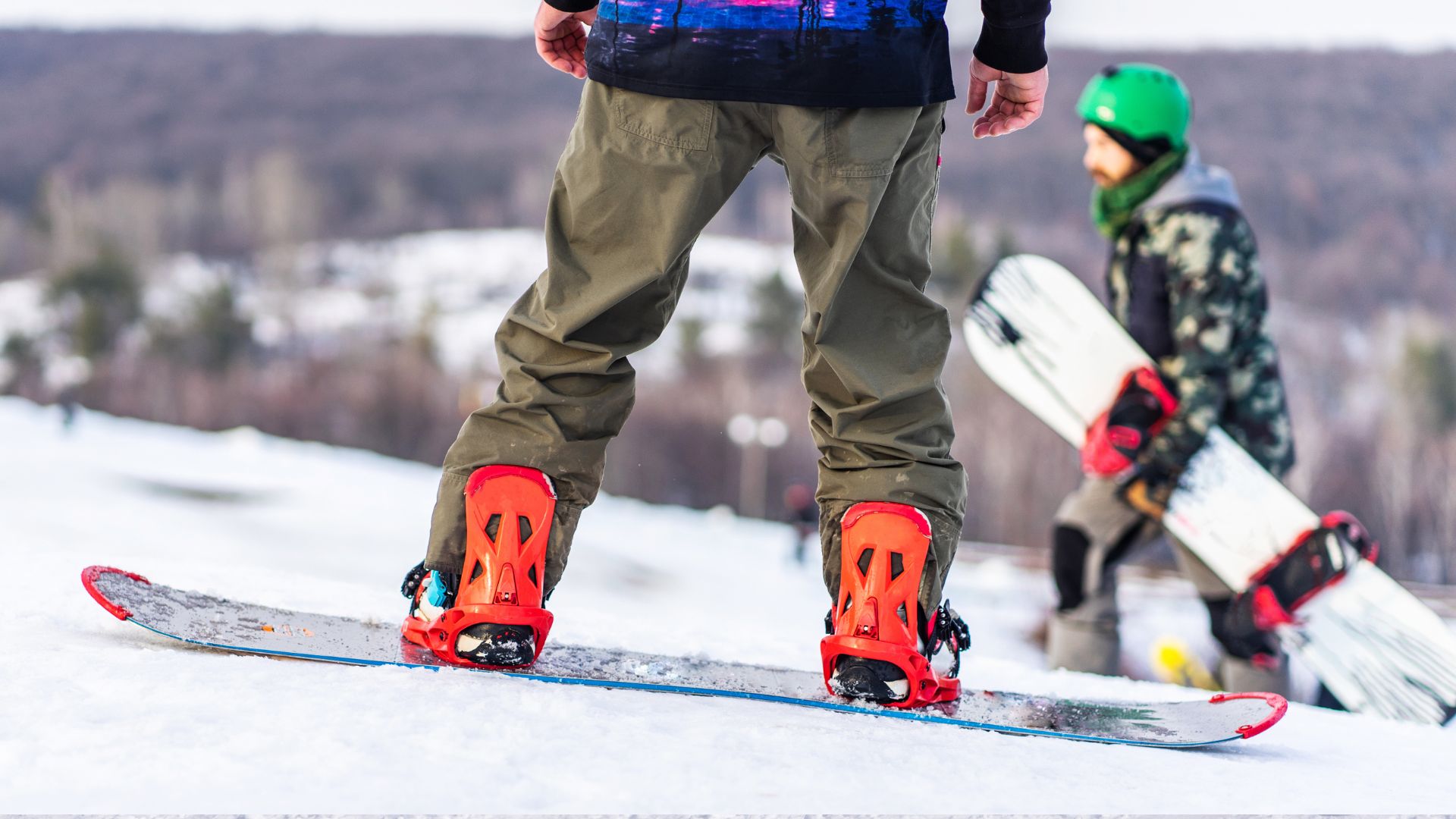
Snowboarding Boots: Essential Gear for 2026
Snowboarding boots are an essential part of your snowboarding gear, offering comfort, support, and performance...
read More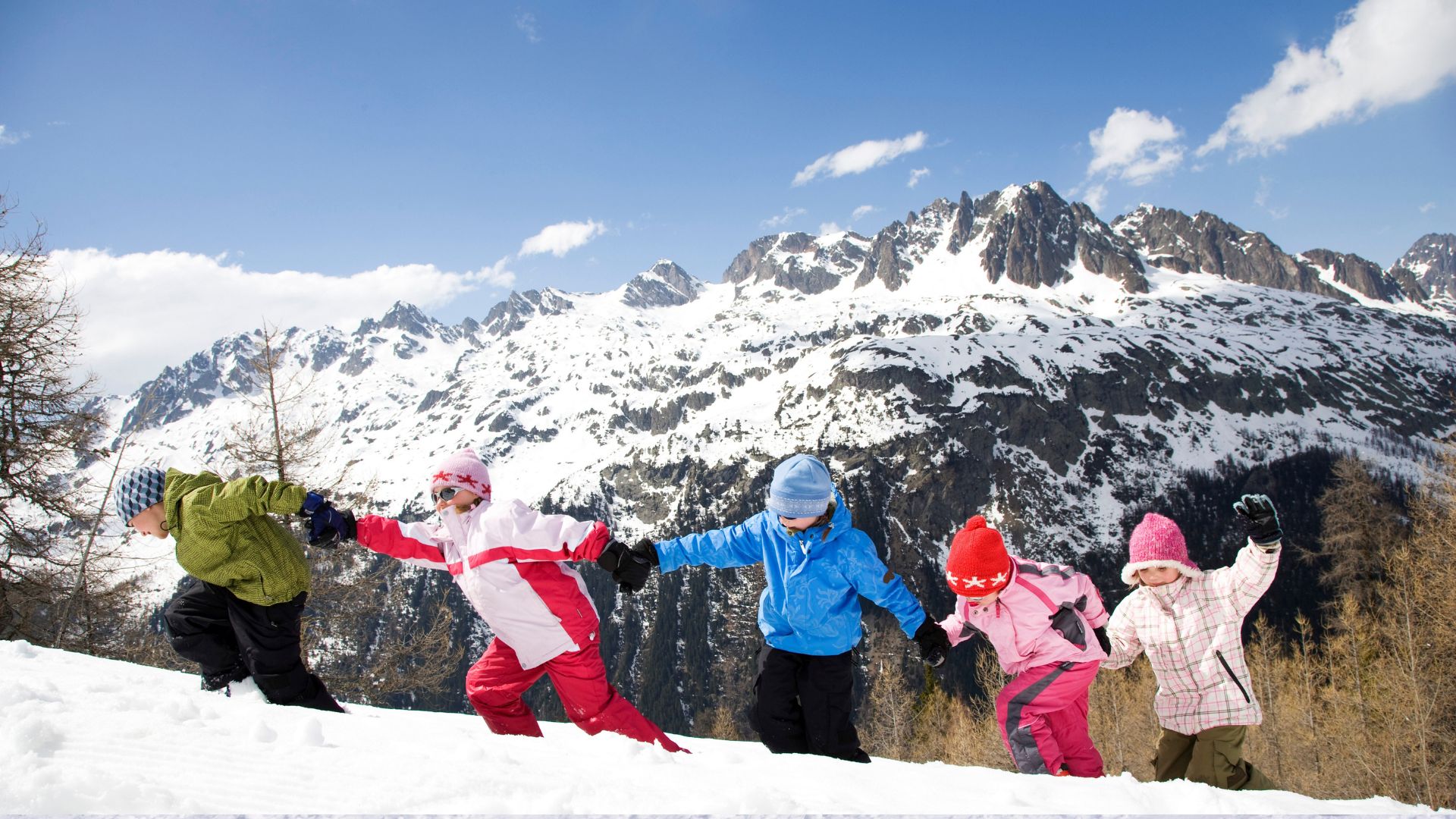
Best Kids Ski Schools: A Parent’s Complete Guide
Teaching your child how to ski is about more than just learning a new sport—it’s...
read More
Adventure Ski & Snowboard School: Everything You Need to Know
Winter sports offer more than just excitement—they create confidence, discipline, and unforgettable experiences. Choosing an...
read More
Best Ski Schools for Kids: What Truly Matters for Young Skiers
When children learn to ski the right way, it can shape how they feel about...
read More
Understanding Skiing Boarding Schools and How They Work
Education does not always follow a traditional classroom-only path. For students who thrive in structured...
read More