
Snow Kiting Lessons for Beginners: Skills, Safety, and Setup
December 19, 2025 | snowkiting
Snow kiting is an exciting winter sport that blends skiing or snowboarding with the power of a kite. It allows riders to glide across snow-covered landscapes using wind energy, offering both adventure and freedom. However, learning this sport without proper guidance can be risky. That’s why snow kiting lessons are essential, especially for beginners who want to build strong fundamentals while staying safe.
This guide covers everything you need to know about snow kiting lessons for beginners, including essential skills, safety measures, equipment setup, and basic techniques that help new riders progress with confidence.
What Are Snow Kiting Lessons?
Snow kiting lessons are structured training sessions designed to teach riders how to control a kite on snow while skiing or snowboarding. These lessons focus on wind awareness, kite handling, balance, and safe movement across different snow conditions.
For beginners, lessons usually start with ground-based practice before progressing to riding. Beginner snow kiting lessons are paced carefully to help students understand snow kiting basics without feeling overwhelmed.
Why Snow Kiting Lessons for Beginners Are Important
Learning snow kiting without instruction can lead to poor technique and safety risks. Professional guidance helps beginners understand how the wind works, how to stay balanced, and how to react in changing conditions.
Here’s why snow kiting lessons for beginners matter:
- Reduce the risk of injury
- Build confidence through proper instruction
- Improve kite control from day one
- Learn correct snow kiting techniques early
With professional snow kiting lessons, beginners gain the skills needed to enjoy the sport responsibly.
Essential Skills Taught in Beginner Snow Kiting Lessons
Kite Control Fundamentals
Kite handling is the foundation of snow kiting. Beginners learn how to launch, land, steer, and power down the kite safely. These skills are practiced repeatedly to develop muscle memory.
Balance and Body Position
Maintaining balance while being pulled by wind requires coordination. Instructors focus on posture and stance, offering snow kiting balance tips that help riders stay stable on skis or a snowboard.
Wind Awareness
Understanding wind direction, strength, and gusts is critical. Snow kiting instruction teaches beginners how to read wind conditions and adjust their movements accordingly.
Snow Kiting Safety Tips Every Beginner Should Know
Safety is a major focus of all snow kiting lessons. Beginners are trained to respect the power of the kite and understand potential hazards.
Key snow kiting safety tips include:
- Always wear protective gear such as helmets and goggles
- Check weather and wind conditions before riding
- Practice emergency release techniques
- Keep a safe distance from obstacles and people
Learning these safety principles early helps riders stay in control and avoid dangerous situations.
Snow Kiting Equipment Setup Explained
Choosing the Right Kite
Beginners usually start with smaller, more stable kites. Instructors help select a kite size based on rider weight and wind conditions.
Harness and Lines
Proper harness fit is essential for comfort and control. Snow kiting lessons explain how to attach lines correctly and check for wear or tangles.
Skis or Snowboard Setup
Both skis and snowboards can be used for snow kiting. Lessons include guidance on stance, bindings, and equipment positioning for smooth movement.
Understanding setup is a core part of snow kiting basics, as poor equipment adjustment can affect performance and safety.
Snow Kiting Techniques Taught During Lessons
Once beginners master control and balance, instructors introduce simple riding movements. These snow kiting techniques include:
- Controlled starts and stops
- Riding upwind and downwind
- Turning smoothly while maintaining kite tension
Progression is gradual, ensuring beginners feel comfortable before advancing.
Group vs Private Snow Kiting Instruction
Group Lessons
Group sessions are cost-effective and allow beginners to learn alongside others. They work well for those who enjoy a social learning environment.
Private Lessons
One-on-one snow kiting instruction offers personalised feedback and faster progress. These lessons are ideal for riders who want focused attention or have specific goals.
Both formats provide value, depending on the learner’s preference and experience level.
How Long Does It Take to Learn Snow Kiting?
Most beginners grasp the fundamentals within a few lessons. However, progress depends on wind conditions, practice time, and individual comfort levels. With consistent training, riders can start enjoying independent rides after completing structured beginner snow kiting lessons.
Common Mistakes Beginners Should Avoid
- Skipping professional instruction
- Ignoring wind changes
- Using incorrect equipment sizes
- Rushing into advanced techniques
Snow kiting lessons help beginners avoid these mistakes by building skills step by step.
Conclusion
Snow kiting is an exciting way to enjoy winter landscapes, but learning it the right way is key. Taking structured snow kiting lessons helps beginners develop proper skills, understand safety, and gain confidence on snow. From mastering kite control to learning essential techniques, professional instruction makes the journey smoother and safer.
If you’re ready to start your snow kiting journey and want trusted guidance, platforms like Find A Ski School can help you connect with qualified instructors and suitable lesson options to begin with confidence.
FAQs About Snow Kiting Lessons
What are snow kiting lessons for beginners?
They are structured training sessions designed to teach kite control, balance, safety, and snow kiting basics for new riders.
Do I need skiing experience before taking snow kiting lessons?
Basic skiing or snowboarding skills are helpful, but instructors adapt beginner snow kiting lessons to different experience levels.
Are professional snow kiting lessons safe?
Yes, professional snow kiting lessons focus heavily on safety, equipment setup, and controlled learning environments.
How many lessons do beginners usually need?
Most beginners need several sessions to feel comfortable, depending on wind conditions and practice time.
What equipment is required for snow kiting instruction?
You’ll need a kite, harness, skis or snowboard, helmet, and protective winter gear. Instructors often guide equipment selection.
More Posts
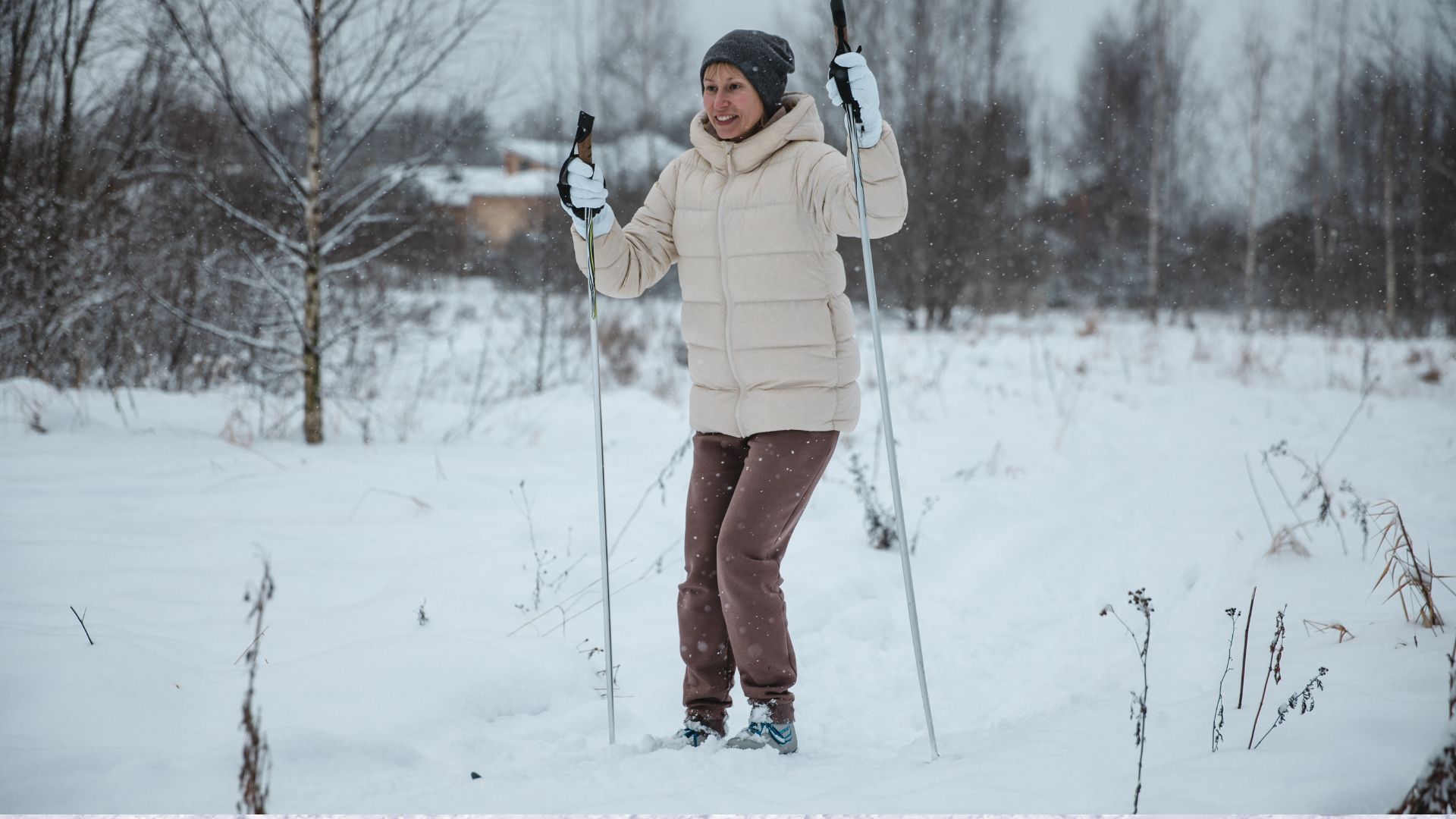
Cross‑Country Skiing: Techniques for Beginners
Cross‑country skiing is an exciting and rewarding winter sport that offers both a great workout...
read More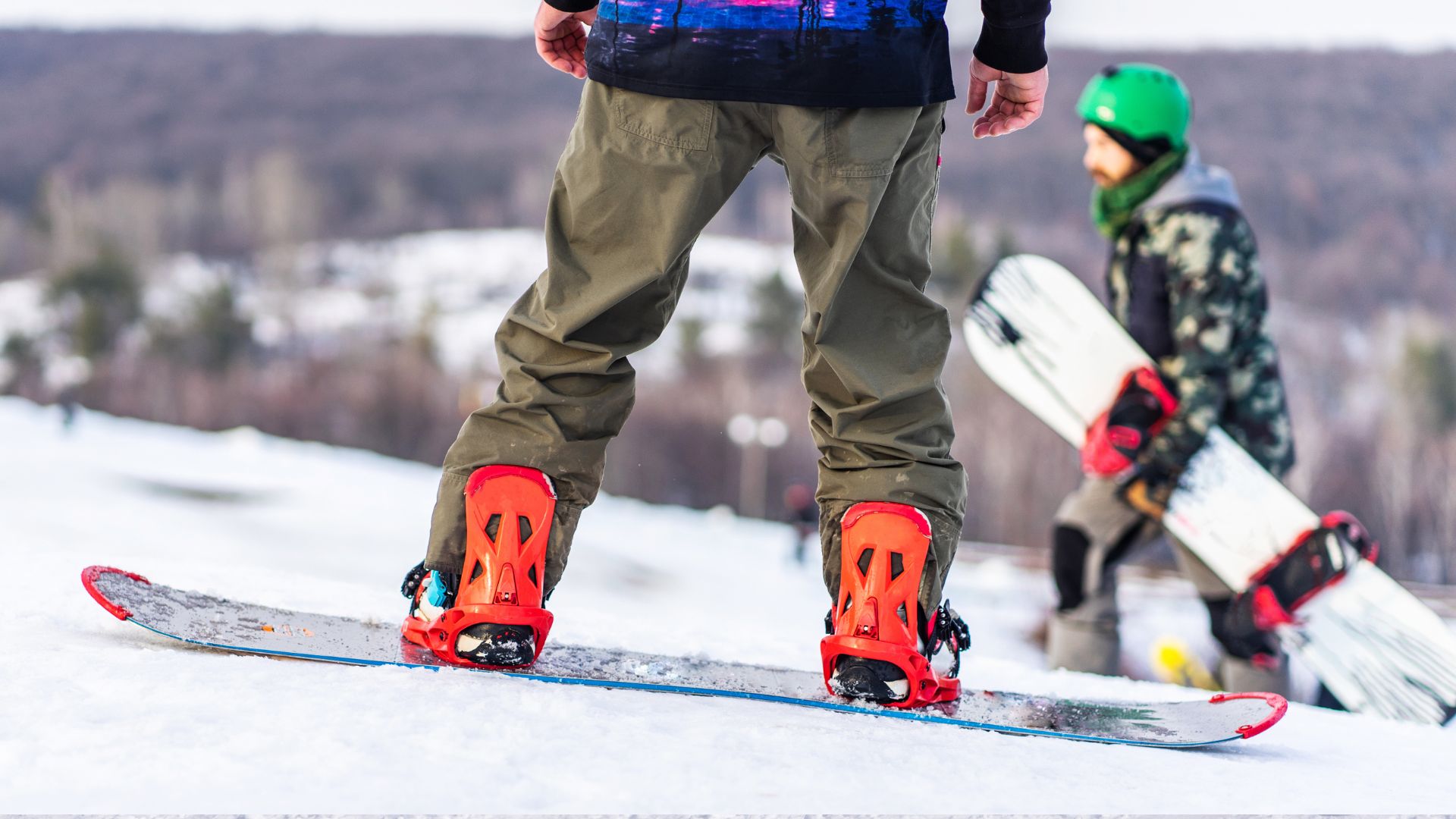
Snowboarding Boots: Essential Gear for 2026
Snowboarding boots are an essential part of your snowboarding gear, offering comfort, support, and performance...
read More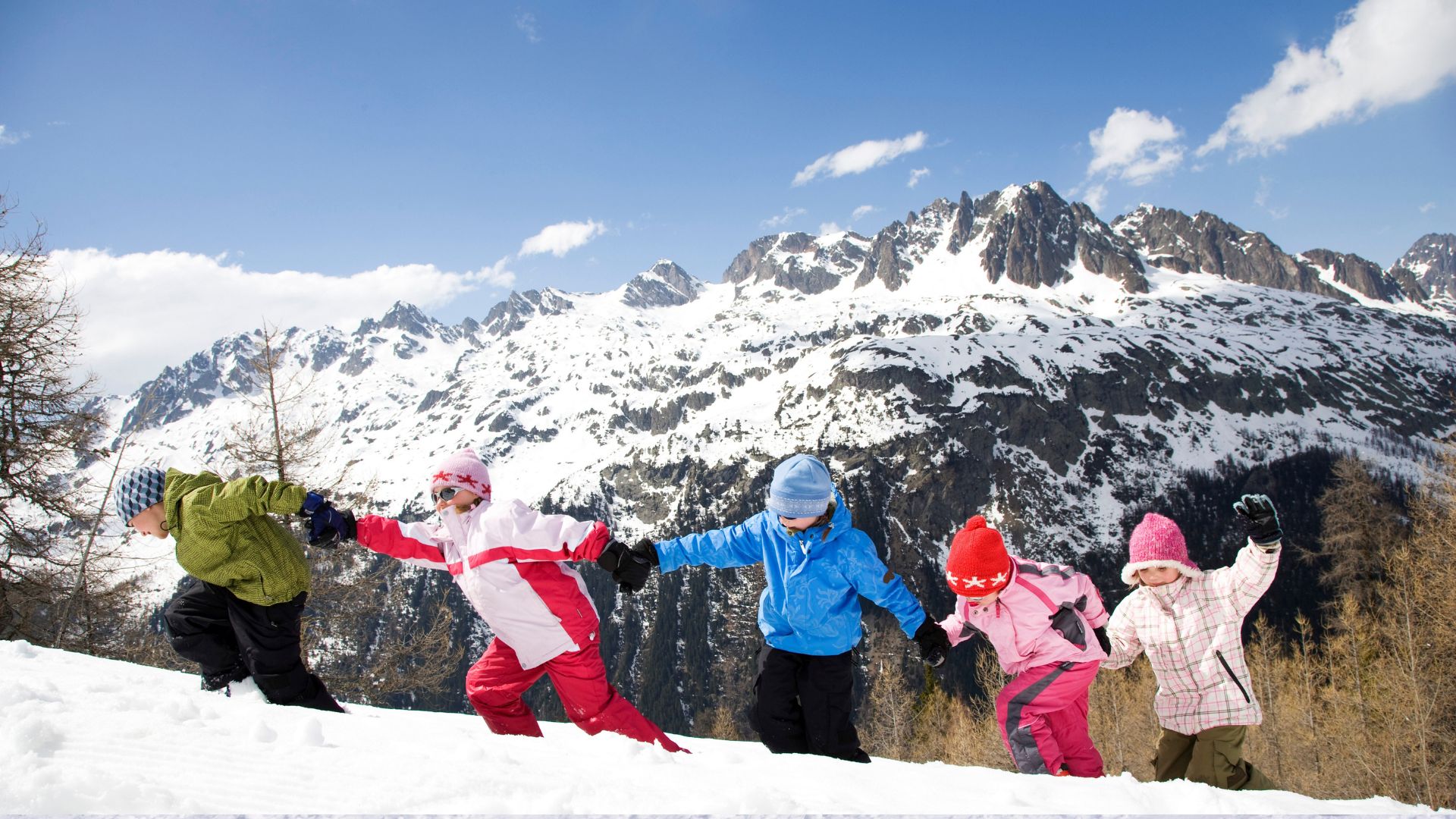
Best Kids Ski Schools: A Parent’s Complete Guide
Teaching your child how to ski is about more than just learning a new sport—it’s...
read More
Adventure Ski & Snowboard School: Everything You Need to Know
Winter sports offer more than just excitement—they create confidence, discipline, and unforgettable experiences. Choosing an...
read More
Best Ski Schools for Kids: What Truly Matters for Young Skiers
When children learn to ski the right way, it can shape how they feel about...
read More
Understanding Skiing Boarding Schools and How They Work
Education does not always follow a traditional classroom-only path. For students who thrive in structured...
read More