
Understanding Skiing Boarding Schools and How They Work
January 12, 2026 | Skiing
Education does not always follow a traditional classroom-only path. For students who thrive in structured environments and have a strong interest in skiing, skiing boarding schools offer a unique blend of academics, athletic development, and personal growth. These schools are designed to support students who want to pursue skiing seriously while maintaining a strong educational foundation.
At Find a Ski School, we provide clear and informative resources to help families understand specialized ski education models and determine whether they align with long-term academic and personal goals.
What Sets Skiing Boarding Schools Apart
Skiing boarding schools are residential academic institutions that integrate daily ski training into a structured education program. Students live on campus, attend regular classes, and participate in organized ski instruction as part of their routine.
Unlike short-term ski programs, these schools focus on consistency and development over time. Students benefit from:
- A stable academic curriculum
- Supervised residential living
- Regular athletic training
- Clearly defined daily schedules
- Long-term personal and skill development
This model supports students who perform best with routine, accountability, and focused goals.
Why Families Consider Skiing Boarding Schools
Families explore skiing and boarding schools for many reasons beyond athletic interest.
Strong Academic Structure
Students follow a formal academic program designed to meet educational standards while allowing time for athletic training.
Consistent Skill Development
Regular instruction allows students to build technique gradually rather than relying on short seasonal exposure.
Personal Responsibility
Living away from home teaches time management, independence, and self-discipline.
Supportive Community
Students live among peers with similar interests, creating a focused and motivating environment.
Balanced Growth
These schools emphasize mental, physical, and emotional development alongside academic success.
Daily Life in Skiing Boarding Schools
A typical day in skiing boarding schools is carefully structured to balance learning, training, and rest.
Morning Routine
Students begin the day with academic classes that focus on core subjects and critical thinking skills.
Training Sessions
Ski training is scheduled around academic responsibilities and emphasizes technique, control, and safety awareness.
Study and Reflection Time
Designated study periods allow students to complete assignments and prepare for assessments.
Community Activities
Evenings may include group meals, wellness activities, or supervised recreation to promote balance.
This consistent routine helps students stay focused while avoiding burnout.
Academic Support and Expectations
Academics are a central priority in ski boarding schools. Students are expected to maintain strong performance while managing athletic commitments.
Key academic elements include:
- Small class sizes
- Instructor-led learning
- Regular progress assessments
- Study support and mentoring
- Clear performance expectations
Students learn how to balance responsibilities—an essential skill for future education and career paths.
Ski Training Philosophy and Approach
The training philosophy in skiing boarding schools centers on long-term development rather than quick results.
Fundamentals First
Students focus on balance, control, and technique before advancing to more complex skills.
Safety Awareness
Training includes understanding proper movement, awareness, and responsible skiing behavior.
Physical Conditioning
Strength, coordination, and endurance support skiing ability and injury prevention.
Individual Progression
Students advance based on readiness rather than pressure or comparison.
This approach builds confidence and consistency while reducing risk.
Who Benefits Most From Skiing Boarding Schools
Not every student is suited for a boarding school environment. Skiing and boarding schools tend to benefit students who:
- Enjoy structured schedules
- Are motivated by routine and goals
- Have a strong interest in skiing
- Can manage academic and athletic responsibilities
- Are comfortable with supervised independence
Families should evaluate readiness carefully to ensure a positive experience.
Important Considerations for Parents
Before choosing a skiing boarding school, parents should consider:
- Academic accreditation and curriculum
- Instructor qualifications and training approach
- Student-to-instructor ratios
- Residential supervision and student support
- Communication between staff and families
Understanding these factors helps families make informed decisions.
Common Misunderstandings About Skiing Boarding Schools
- They focus only on skiing: Academics remain a core priority.
- They are only for elite athletes: Many schools support skill development at various levels.
- Students lose academic opportunities: Structured education keeps future options open.
Clarifying these points helps families evaluate programs realistically.
Final Thoughts
Skiing boarding schools offer a distinctive path for students seeking a balance between education and ski development. Through structured academics, professional instruction, and supervised residential life, these schools support long-term growth both on and off the snow. At Find a Ski School, we help families explore educational options with clarity and confidence.
Frequently Asked Questions (FAQs)
Q: What age group typically attends skiing boarding schools?
A: Programs usually serve school-age students who are ready for structured residential learning.
Q: Are academics taken seriously in these schools?
A: Yes. Academic performance is closely monitored and supported.
Q: Do students ski every day?
A: Training is scheduled regularly but balanced with academic and recovery time.
Q: Are skiing and boarding schools suitable for beginners?
A: Some programs support skill development from foundational levels, depending on structure.
Q: How do students manage homesickness?
A: Schools provide supervised environments, mentorship, and structured routines to support adjustment.
More Posts
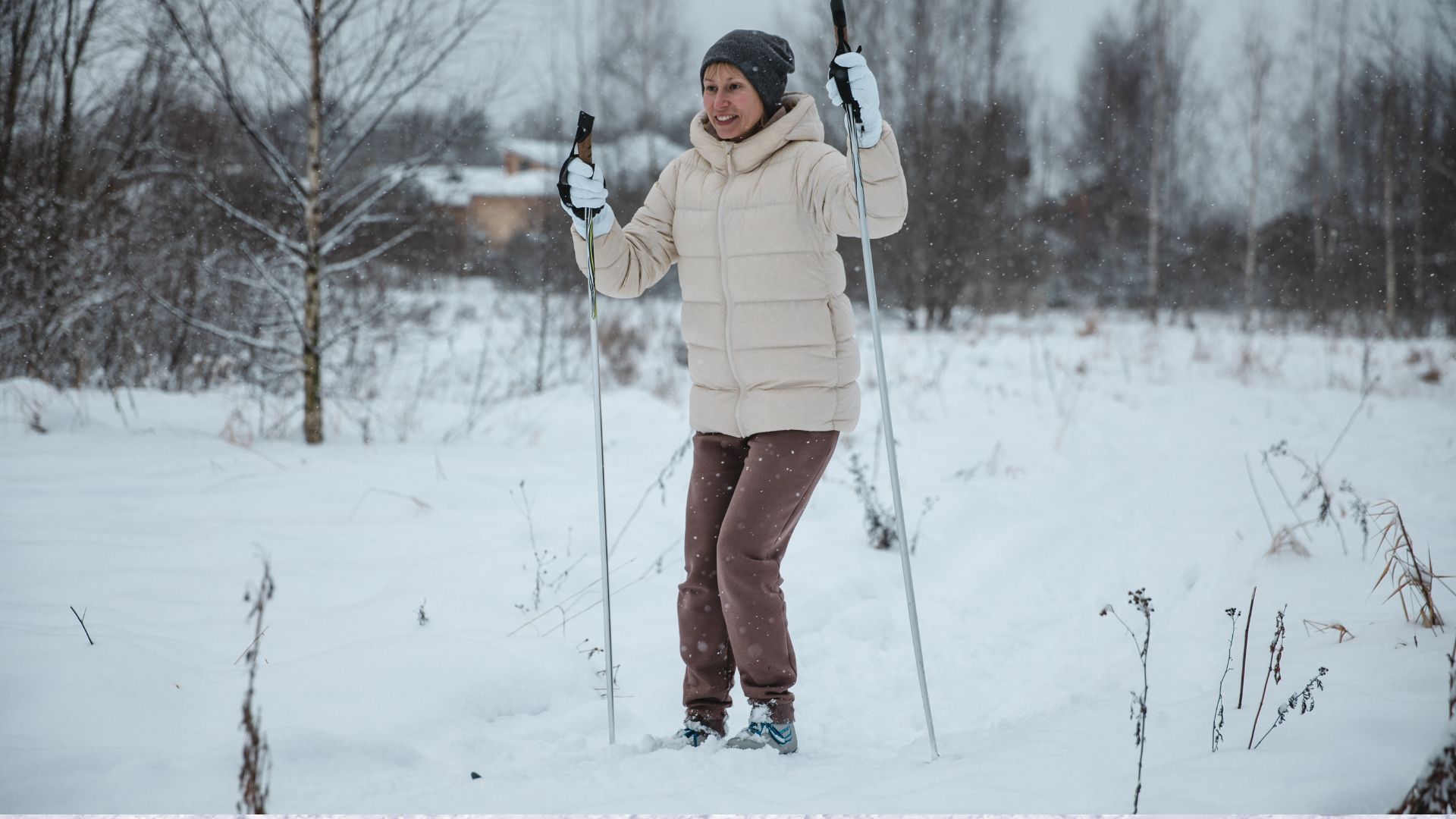
Cross‑Country Skiing: Techniques for Beginners
Cross‑country skiing is an exciting and rewarding winter sport that offers both a great workout...
read More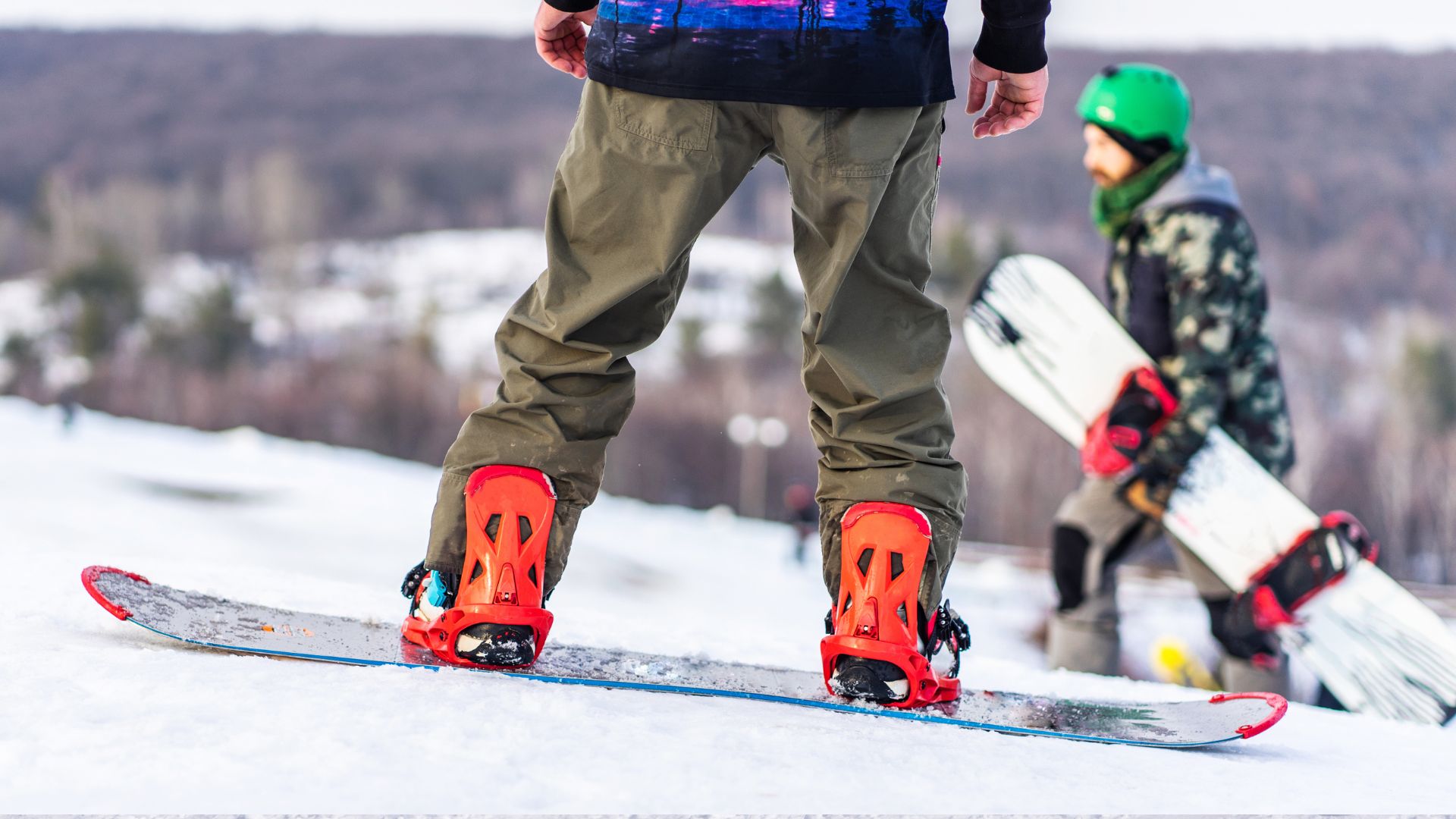
Snowboarding Boots: Essential Gear for 2026
Snowboarding boots are an essential part of your snowboarding gear, offering comfort, support, and performance...
read More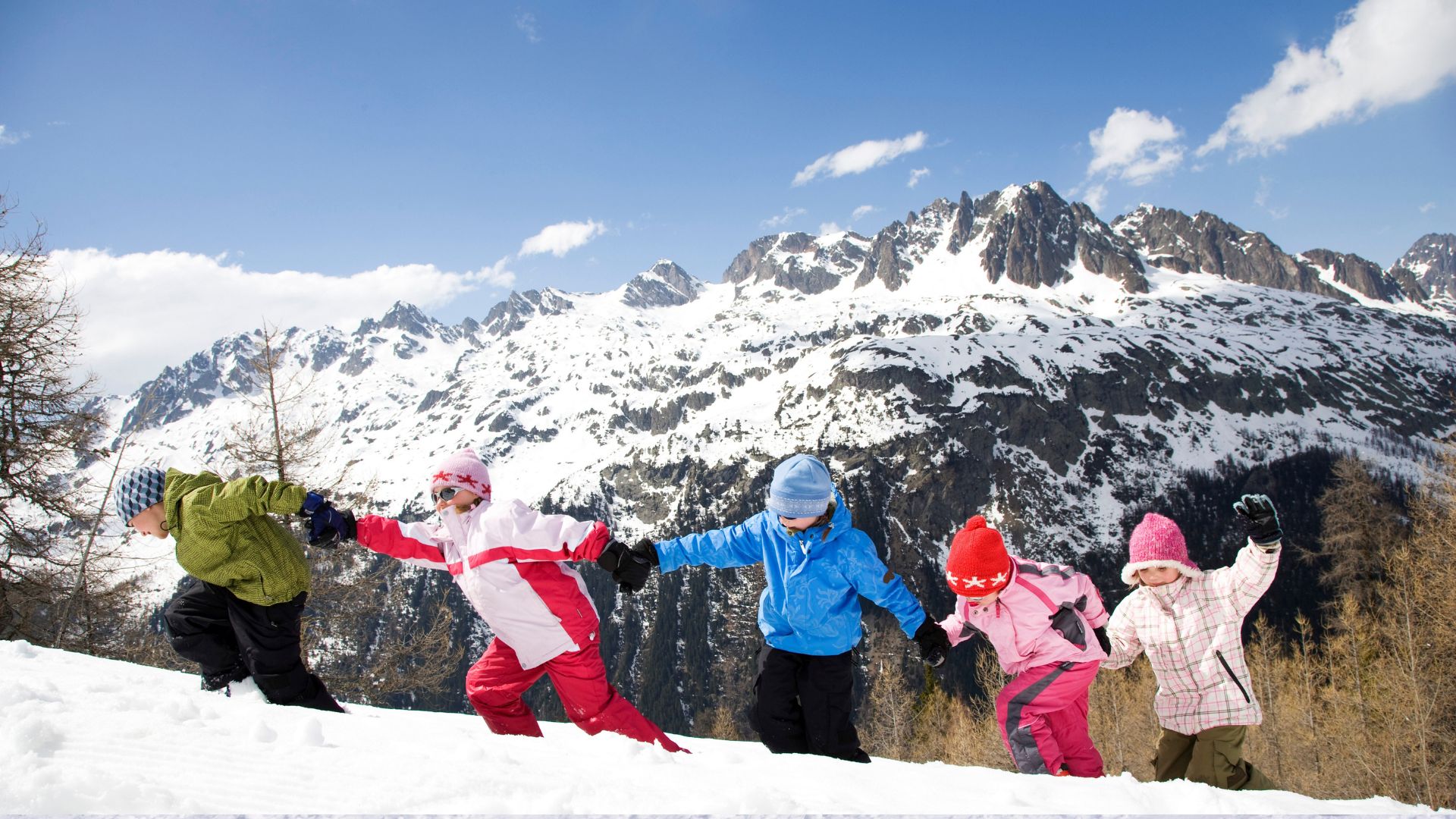
Best Kids Ski Schools: A Parent’s Complete Guide
Teaching your child how to ski is about more than just learning a new sport—it’s...
read More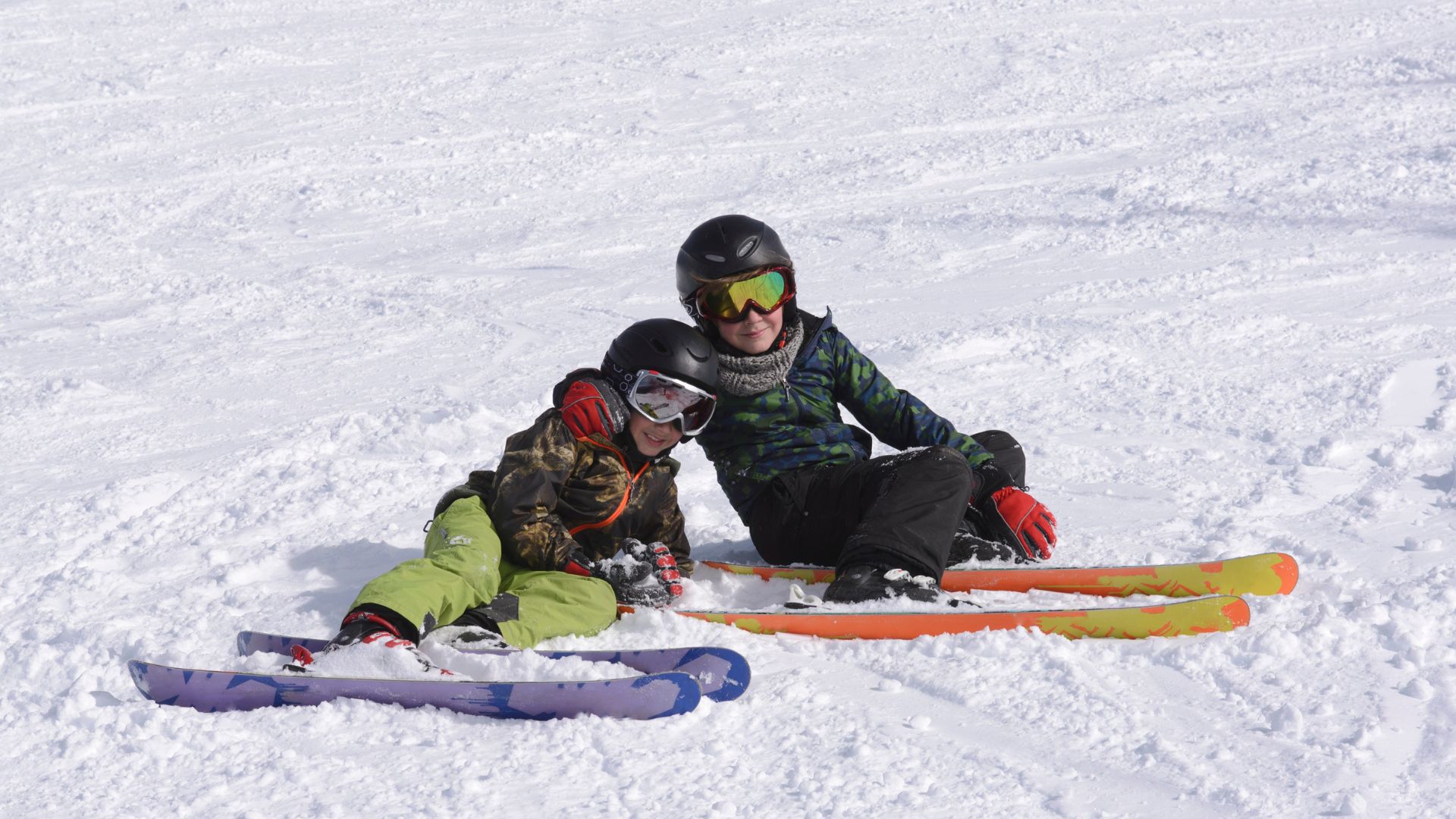
Adventure Ski & Snowboard School: Everything You Need to Know
Winter sports offer more than just excitement—they create confidence, discipline, and unforgettable experiences. Choosing an...
read More
Best Ski Schools for Kids: What Truly Matters for Young Skiers
When children learn to ski the right way, it can shape how they feel about...
read More
Snow Kiting Basics: Learn the Fundamentals Before Your First Ride
Winter sports lovers looking for something exciting and unique are increasingly drawn to snow kiting....
read More