
Choosing the Right Ski Length: Is a Shorter or Longer Ski Best for You?
October 23, 2024 | Ski Equipment, Skiing Technique, Skiing Tips, Skis
When it comes to skiing, the length of your skis plays a crucial role in your performance and overall experience on the slopes. Whether you’re a beginner looking for an easy-to-control pair of skis or an advanced skier seeking speed and stability, understanding the differences between shorter and longer skis is essential. This article will guide you through everything you need to know about choosing the right ski length, so you can make an informed decision and get the best skiing experience on your next winter adventure.
What is the Ideal Ski Length?
Choosing the right ski length is crucial for your comfort and performance on the slopes. Ski length directly affects how you ski, including how easily you can maneuver and how stable you feel at higher speeds. Several factors, such as your height, weight, and skiing style, play a role in determining the ideal ski size. Typically, the length should fall between your chin and the top of your head. For beginners, opting for a shorter ski is a good tip, as it makes learning easier. However, longer skis are often recommended for better stability and floatation for more experienced skiers looking to ski fast and enjoy high-speed runs.
Short Skis vs. Long Skis
When deciding between short skis and long skis, it’s essential to consider your skiing goals and style. Short skis are generally easier to control and maneuver, making them ideal for beginners or skiers who prefer agility on the slopes. On the other hand, long skis provide better stability at higher speeds, which benefits advanced skiers who ski fast and want more stability. If you’re trying to decide between these options, understanding your preferences and needs will help you make the best choice.
Read More: The Caloric Impact of Skiing
Why Choose Shorter Skis
Shorter skis offer numerous benefits, especially for those new to skiing or those who prefer a more agile style. They are easier to control, allowing skiers to navigate through tight spaces like trees and moguls effortlessly. Short skis are also great for performing tricks and jumps, as they are highly maneuverable. Beginners who are still getting used to skiing often find that shorter skis require less effort to handle, making them a fantastic option for learning and building confidence on the slopes.
Benefits of Long Skis for Advanced Skiers
Long skis are ideal for skiers who seek stability and speed. They are designed to handle higher speeds and provide better floatation on soft snow, making them perfect for groomed runs and backcountry adventures. Advanced skiers often prefer longer skis because they offer more stability, even at high speeds. This stability allows skiers to make smooth, controlled carving turns, making them a great choice for those looking to improve their skills and explore more challenging terrains.
Skiing Style and How It Affects
Your skiing style is a major factor when choosing between short and long skis. For freestyle skiers who enjoy tricks and jumps in the terrain park, shorter skis are easier to handle and allow for better maneuverability. On the other hand, skiers who prefer carving and speed on groomed runs might find longer skis provide the best experience. Freestyle skis are typically shorter to make tight turns easier while carving skis are slightly longer for stability and smooth turns.
Read More: Snowboard Types and Styles
Factors to Consider When Choosing Your Ski Length
When choosing a ski length, your height and weight are crucial factors. Ski manufacturers often provide guidelines indicating the right length based on these parameters. Generally, a ski should be between the skier’s chin and the top of their head. For lighter individuals, going slightly shorter can make skis easier to control. Additionally, skiing experience and style play a role; advanced skiers might want to go longer for better stability, while beginners might opt for shorter lengths for easier maneuverability.
Shorter Skis
Short skis offer superior maneuverability, making them a preferred choice for beginners. These skis are easier to turn, helping you navigate tight spaces like trees and moguls. For those new to the sport, short skis’ ease of control can enhance the learning experience and reduce the difficulty of mastering basic skiing techniques. Shorter skis also make short turns easier, and their lightweight nature makes them convenient to carry around, especially for skiers who frequently travel.
Longer Skis
Longer skis excel in providing stability, especially at high speeds. Skiers who want to ski fast and explore long groomed runs will benefit from the added stability and floatation these skis provide. They are stable at higher speeds and suitable for soft snow conditions, making them perfect for backcountry and off-piste skiing. The length of these skis also helps maintain balance, providing a smoother and more controlled ride for advanced skiers.
Rocker Technology and Its Impact on Ski Length
Modern skis often incorporate rocker technology, which refers to the upward curve of the ski at the tip and sometimes the tail. This feature enhances floatation in soft snow and makes turning easier, even on longer skis. Rocker technology allows skiers to enjoy the benefits of both short and long skis by providing maneuverability without sacrificing stability. Whether you prefer short skis or long skis, understanding the impact of rocker technology can help you make an informed decision when selecting new skis.
Read More: How Long Do Ski Boots Last?
Choosing the Right Ski
When shopping for skis, it’s important to consider what type of ski will best suit your needs. Visiting a ski shop and speaking to experts can help you decide between short skis, long skis, snowblades, or skiboards. Skis for better maneuverability are often slightly shorter, while skis for speed and stability might be longer. Knowing what type of terrain and skiing style you prefer will guide your choice, ensuring you pick the right pair for your next winter adventure.
More Posts
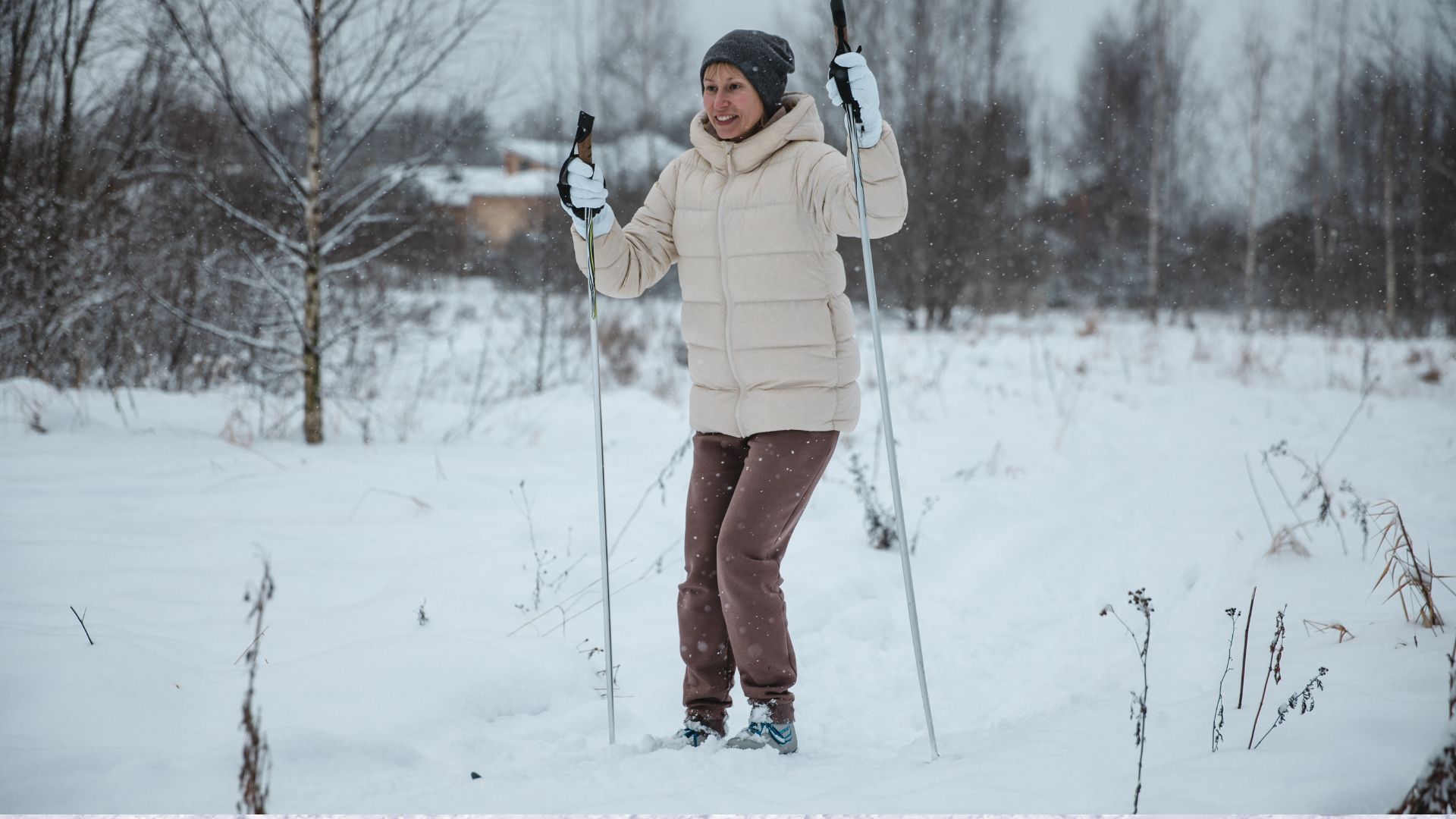
Cross‑Country Skiing: Techniques for Beginners
Cross‑country skiing is an exciting and rewarding winter sport that offers both a great workout...
read More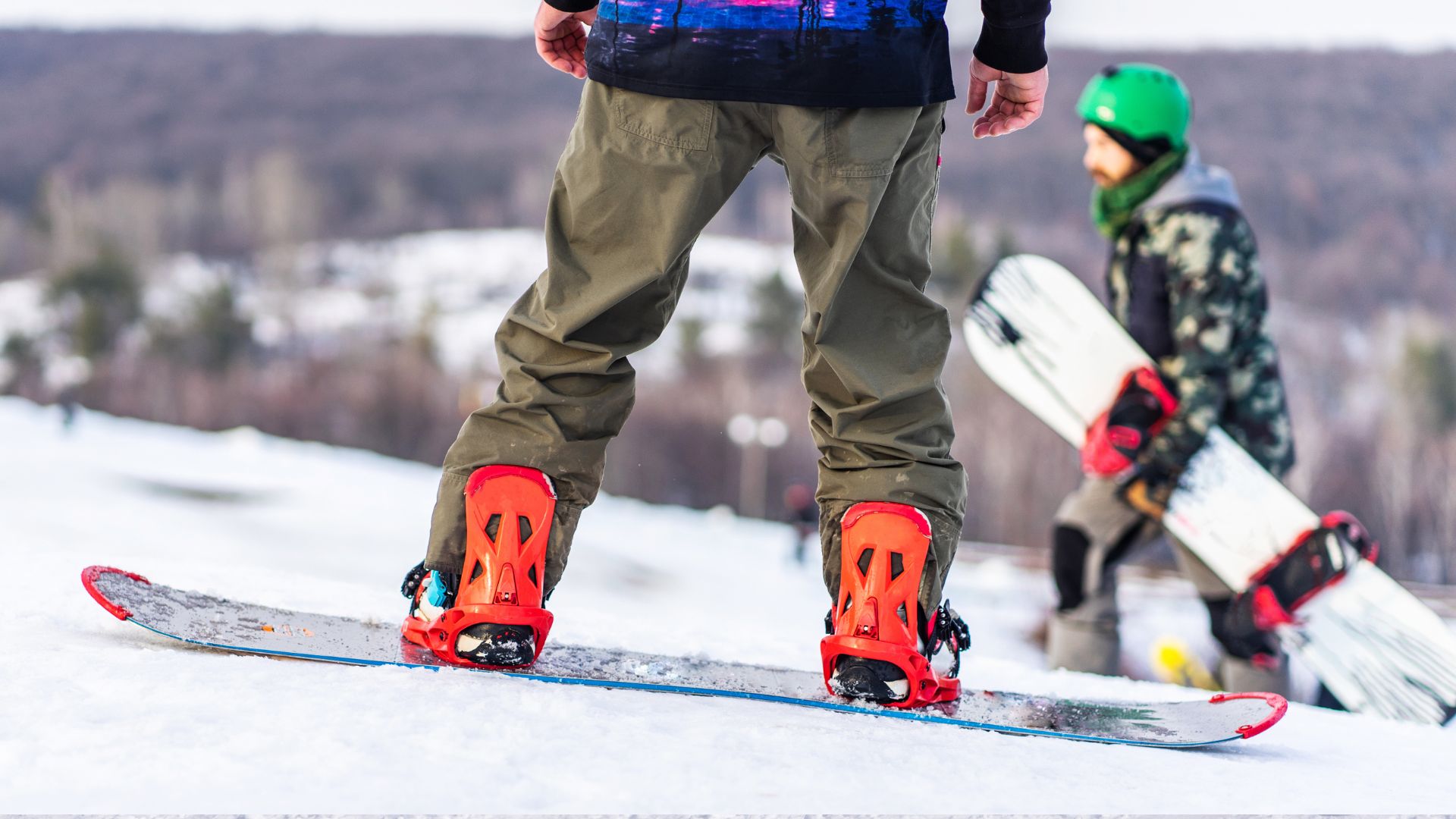
Snowboarding Boots: Essential Gear for 2026
Snowboarding boots are an essential part of your snowboarding gear, offering comfort, support, and performance...
read More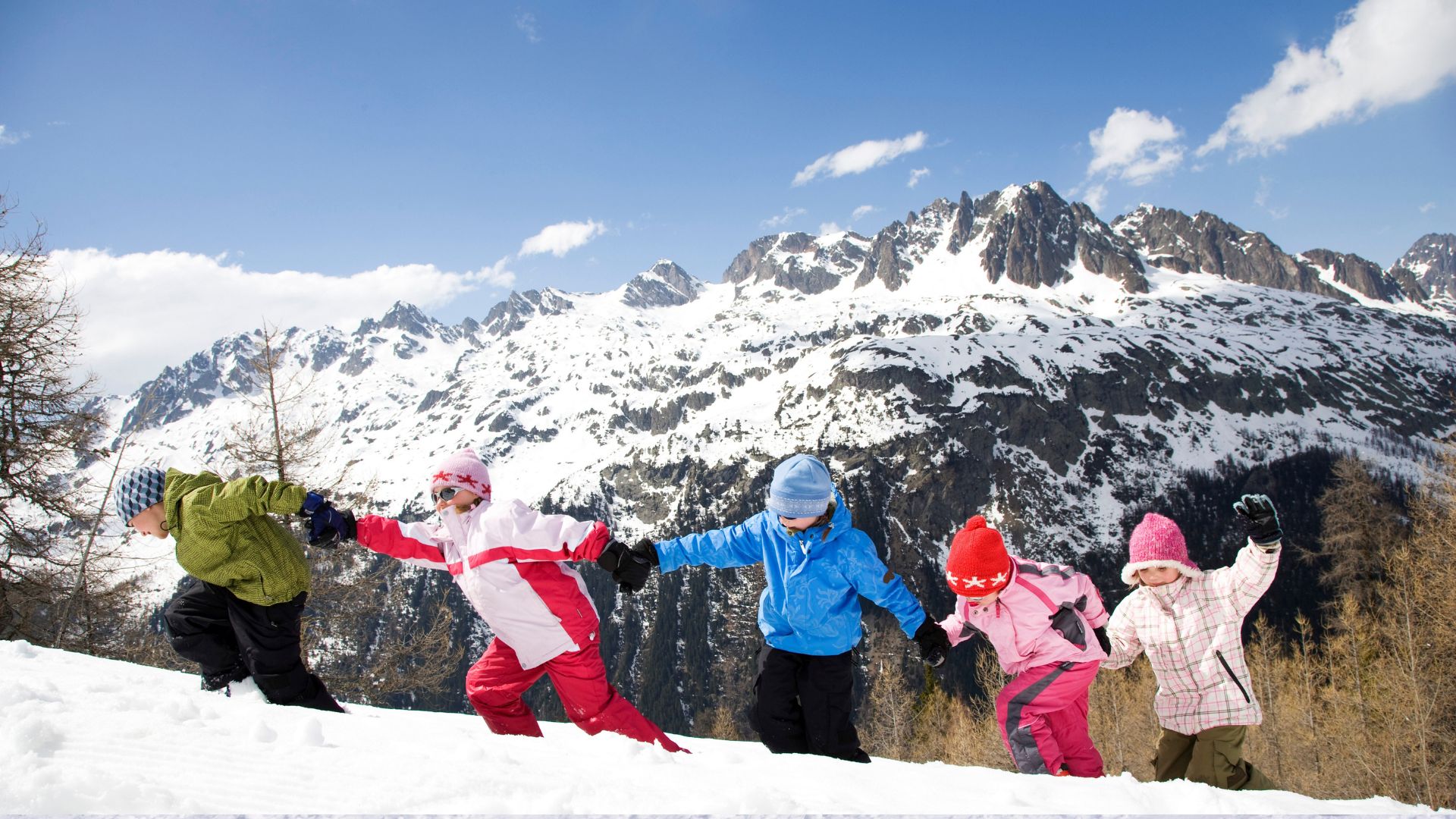
Best Kids Ski Schools: A Parent’s Complete Guide
Teaching your child how to ski is about more than just learning a new sport—it’s...
read More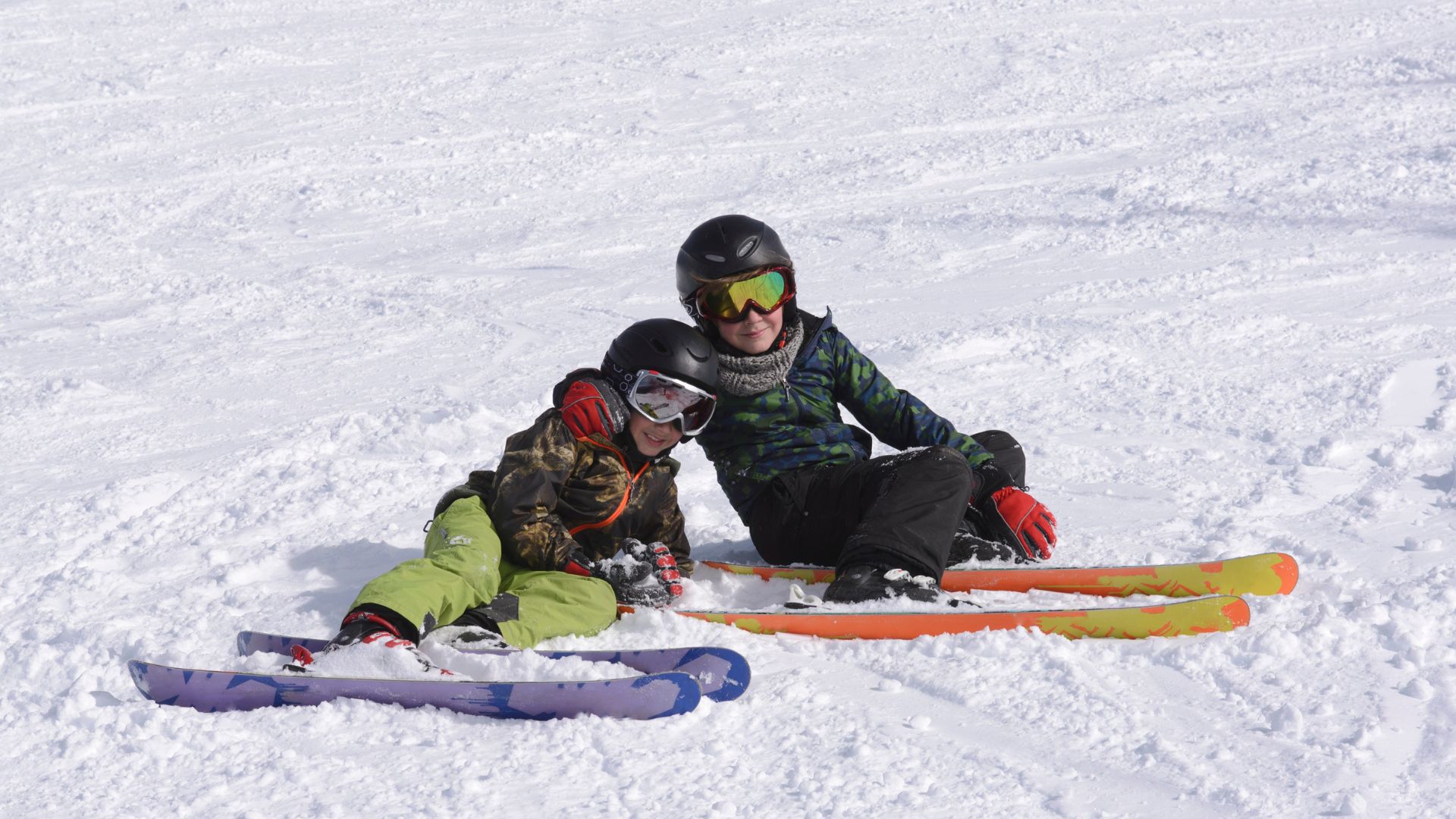
Adventure Ski & Snowboard School: Everything You Need to Know
Winter sports offer more than just excitement—they create confidence, discipline, and unforgettable experiences. Choosing an...
read More
Best Ski Schools for Kids: What Truly Matters for Young Skiers
When children learn to ski the right way, it can shape how they feel about...
read More
Understanding Skiing Boarding Schools and How They Work
Education does not always follow a traditional classroom-only path. For students who thrive in structured...
read More