
What Is Snowkiting: A Quick Guide to This Thrilling Extreme Sport
October 28, 2024 | Snowboarding
Are you ready to explore the thrill of snowkiting? This extreme sport combines the power of a kite with the freedom of skiing or snowboarding, letting you glide across snow-covered fields, frozen lakes, and even up mountain slopes. Whether you’re a seasoned kiteboarder looking to expand into winter sports or a skier or snowboarder seeking a new challenge, snowkiting offers a unique way to enjoy the great outdoors. This guide will cover everything you need to know about snowkiting, including the basics of choosing the right kite, understanding wind conditions, and mastering key skills. Read on to discover how you can get started with this exciting sport!
Read More: The Clear Vision: Do You Need Goggles to Ski?
What is Snowkiting
Snowkiting is an exhilarating winter sport that allows you to harness the power of a kite to glide over snow or ice using skis or a snowboard. Unlike traditional skiing, snowkiting enables you to travel uphill, explore backcountry areas, and even perform freestyle tricks with the added power of wind. Snowkiting is easy to learn, especially for those who have experience with kiteboarding or skiing. The sport offers a fantastic way to experience the snowy outdoors in a new and dynamic way.
This sport is similar to kiteboarding, but instead of riding on water, you use the kite to pull yourself over snow-covered landscapes. Whether you’re on a frozen lake or a snow-covered field, snowkiting can be adapted to various conditions, making it a versatile choice for thrill-seekers.
How Does a Snow Kite Work
A snow kite uses wind power to propel you across the snow, allowing you to control your speed and direction with a control bar. Here’s how it works:
- Catch the Wind: Positioning your kite to catch the wind can generate enough pull to glide across snow or ice. Adjusting the angle of the kite helps control speed and direction.
- De-Powering the Kite: De-powering foils allow you to reduce the kite’s power when the wind becomes too strong. This is crucial for maintaining control, especially in variable wind conditions.
- Kite Power and Control Bar: The control bar steers the kite and manages power, making adjusting to different wind strengths easier. Understanding how to use the control bar is key to mastering the art of snowkiting.
Choosing the Right Kite Size for Snowkiting
Selecting the right kite size is essential for a safe and enjoyable snowkiting experience. The size of the kite affects how much wind it can harness, which in turn influences your speed and control.
- Larger Kite vs. Smaller Kite: A larger kite catches more wind, making it ideal for lighter wind conditions. However, it can be harder to manage in strong winds. A smaller kite is easier to control in stronger winds but may require more effort to move in lighter conditions.
- Kite Size and Skill Level: Beginners should start with a smaller kite, which is easier to learn and more forgiving. As you gain experience, you can move up to a larger kite for more power.
Choosing a Type of Ski or Snowboard
You can use skis or a snowboard when snowboarding, depending on your preference and skill level. Each has its own advantages:
- Skis: Using skis for snowkiting allows for better mobility and makes it easier to change direction quickly. This is especially helpful for beginners who are learning to control the kite.
- Snowboard: A snowboard can provide a smoother ride, making it ideal for those with snowboarding experience. Snowboarders may also find it easier to perform tricks and jumps while snowboarding.
The choice between skis and snowboards often comes down to personal preference and what you’re most comfortable with.
Read More: How Long Do Ski Boots Last? A Comprehensive Guide for Skiers
Understanding Wind Conditions
Wind conditions are a crucial factor in snowkiting. The right wind range will provide enough power to pull you smoothly across the snow without becoming overwhelming.
- Average Wind and Medium Winds: Ideal snow-kiting wind conditions range from medium to average. These provide enough power for movement without making the kite too difficult to control.
- Less Wind vs. Strong Wind: Less wind requires a larger kite to catch more power, while strong winds call for a smaller kite to maintain control. Understanding how to adjust your kite size based on the wind is key to a safe snowkiting experience.
Foil Kites vs. Inflatable Kites
When choosing a kite for snowkiting, you have two main options: foil kites and inflatable kites. Each has its own set of advantages:
- Foil Kites: These are popular for snowkiting because they are lightweight and provide a smooth glide. They are easier to manage in lighter winds and ideal for backcountry snowboarding.
- Inflatable Kites: Inflatable kites are more commonly used in water kiting but can also be used for snowkiting. They tend to be more durable and easier to relaunch if they hit the ground, making them suitable for snowy conditions.
Choosing between a foil kite and an inflatable kite depends on the terrain and wind conditions you plan to kite in.
Read More: The Caloric Impact of Skiing: Does It Really Burn Calories?
Essential Safety Gear for Snowkiting
Snowkiting is an extreme sport, and safety should always be a priority. Here’s a list of essential gear you need:
- Helmet: Protect your head from impacts in case of a fall or collision.
- Goggles: Snow can reflect sunlight, so wearing goggles that protect your eyes from UV rays and wind is crucial.
- Proper Clothing: Wear insulated and waterproof clothing to stay warm during your snowkiting sessions, especially in mountainous or exposed areas.
Having the right safety gear can make a huge difference in your overall experience and help prevent injuries.
Tips for Beginners
If you’re new to snowkiting, here are some tips to help you get started:
- Start with a Smaller Kite: A smaller kite is easier to control and is perfect for beginners. It allows you to practice handling the kite without being overpowered by the wind.
- Practice in Light Winds: Learning to control the kite in light wind conditions helps you develop the skills to manage stronger winds.
- Take Lessons: Whether you’re new to kiting or just transitioning from water kiting to snow kiting, lessons can help you learn the basics faster and more safely.
FAQs
Is Snowkiting Similar to Kiteboarding?
Yes, snowkiting shares many similarities with kiteboarding, but instead of riding on water, you use skis or a snowboard to glide over snow. Both sports rely on wind power and similar kite control techniques.
What Skill Level is Required for Snowkiting?
Snowkiting can be learned by beginners, but having some experience in either skiing, snowboarding, or kiteboarding can make the learning curve easier. With practice, snowkiting is easy to learn for those familiar with wind-based sports.
Do I Need Special Skis for Snowkiting?
You can use regular skis or a snowboard for snowkiting. However, it’s important to ensure they are well-maintained and appropriate for the snow conditions you plan to ride in.
Snowkiting in Different Terrain
One of the best aspects of snowkiting is its versatility. It can be enjoyed on various terrains:
- Frozen Lakes and Fields: These provide flat, open spaces perfect for beginners learning to control their kites.
- Mountain Slopes: Advanced snowkiters can explore mountainous terrain, using the kite’s power to travel uphill or glide over backcountry areas.
- Snow-Covered Expanse: For those seeking a remote experience, snowkiting in backcountry locations offers unparalleled freedom and adventure.
Snowkiting can be adapted to various landscapes with the right kite size, safety gear, and understanding of wind conditions.
More Posts
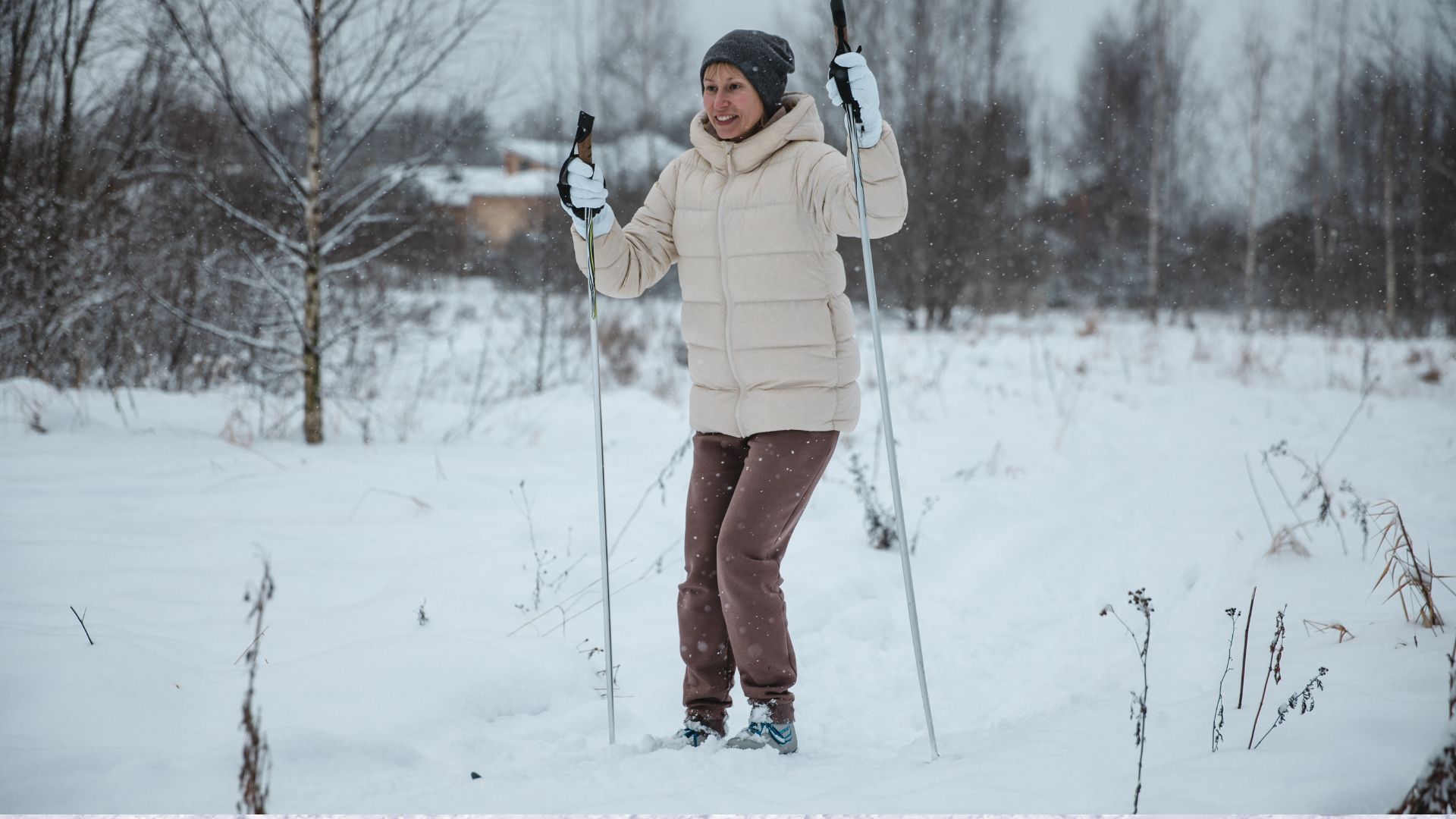
Cross‑Country Skiing: Techniques for Beginners
Cross‑country skiing is an exciting and rewarding winter sport that offers both a great workout...
read More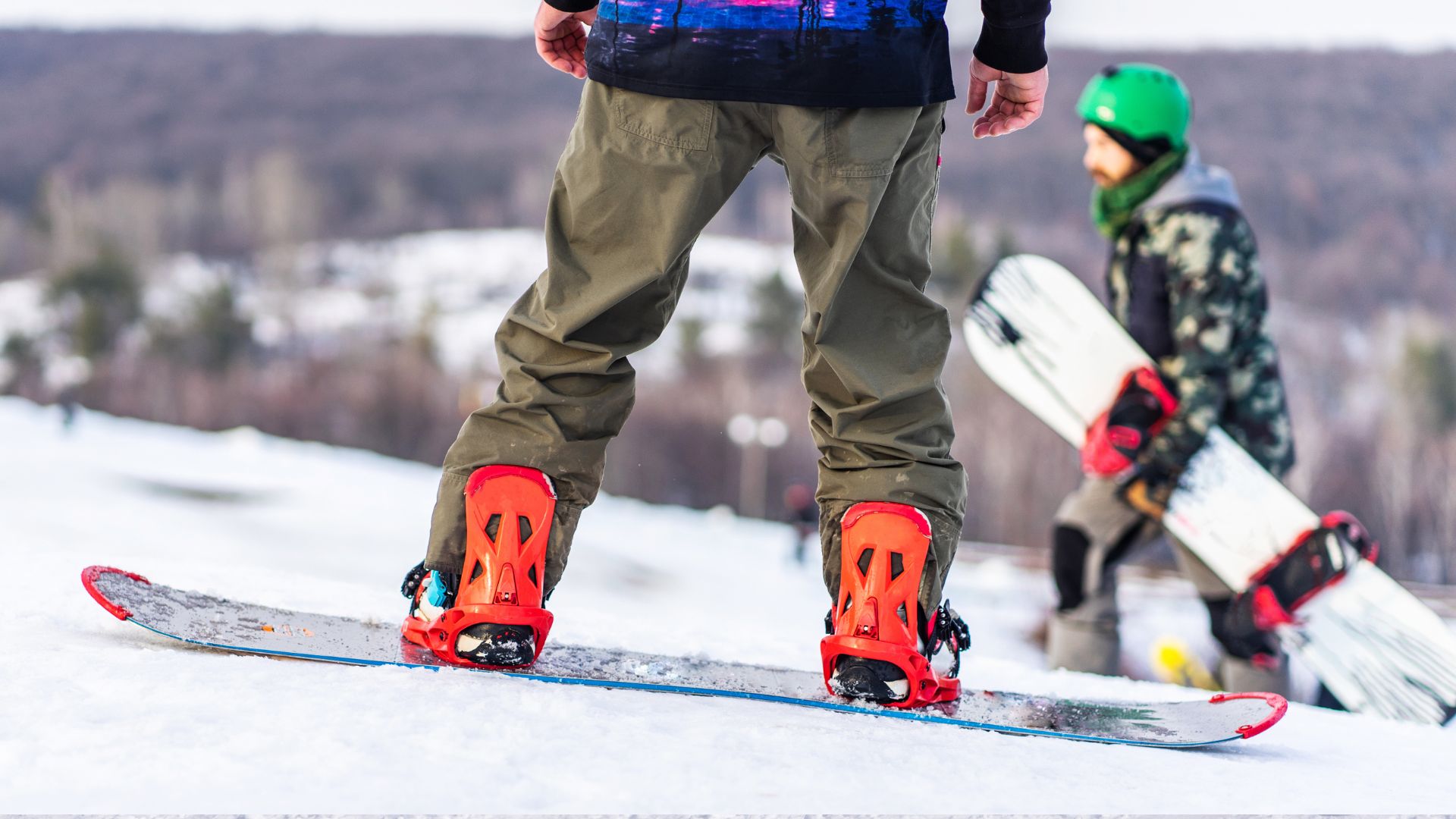
Snowboarding Boots: Essential Gear for 2026
Snowboarding boots are an essential part of your snowboarding gear, offering comfort, support, and performance...
read More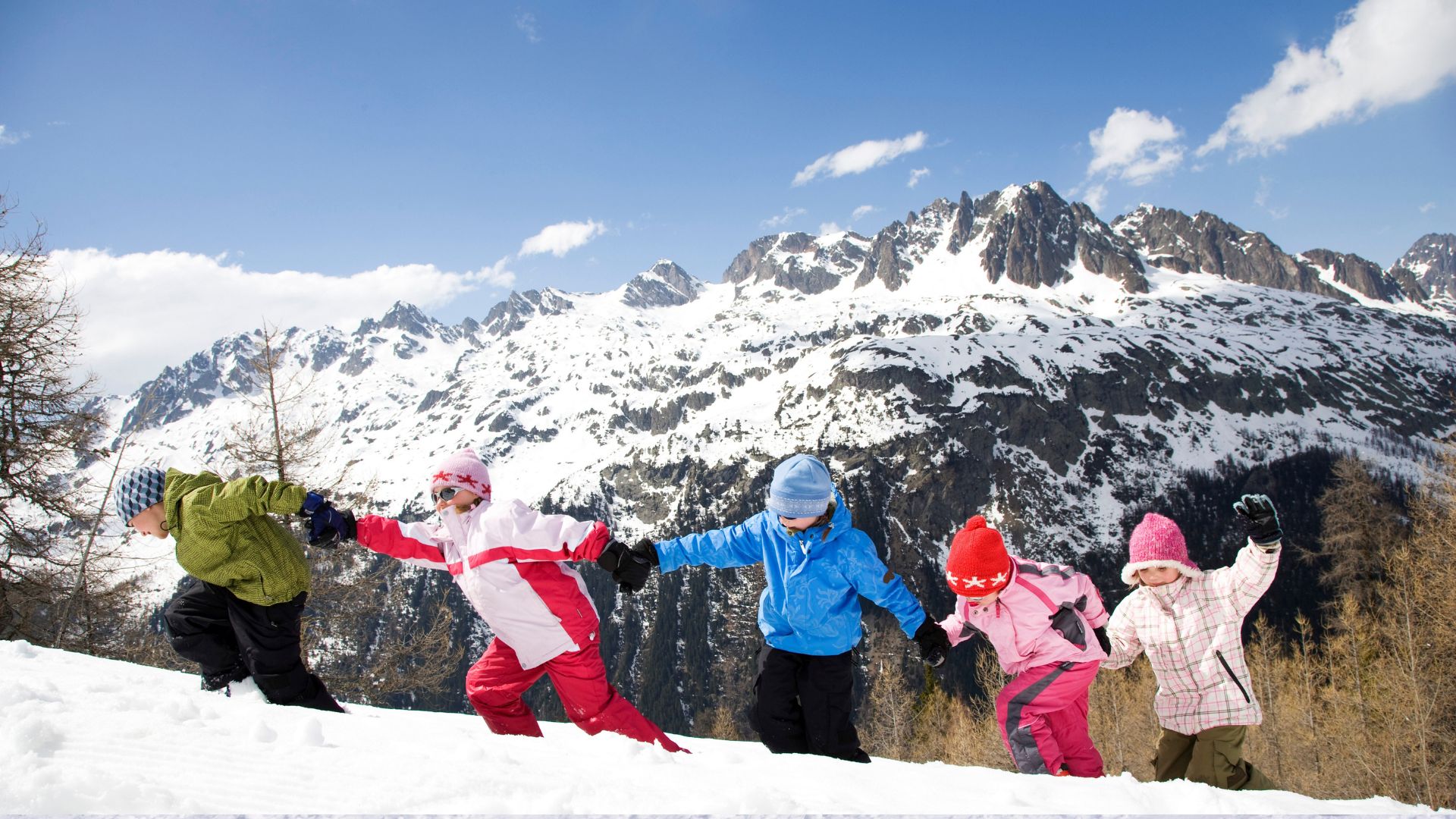
Best Kids Ski Schools: A Parent’s Complete Guide
Teaching your child how to ski is about more than just learning a new sport—it’s...
read More
Adventure Ski & Snowboard School: Everything You Need to Know
Winter sports offer more than just excitement—they create confidence, discipline, and unforgettable experiences. Choosing an...
read More
Best Ski Schools for Kids: What Truly Matters for Young Skiers
When children learn to ski the right way, it can shape how they feel about...
read More
Understanding Skiing Boarding Schools and How They Work
Education does not always follow a traditional classroom-only path. For students who thrive in structured...
read More