
What Kind of Skis Are Best for Snowkiting?
October 30, 2024 | Ski Equipment, Skiing, Skis
Snowkiting is an exhilarating sport that combines the thrill of skiing with wind power. It allows you to glide across snowy landscapes with the help of a kite. But to get the most out of this sport, choosing the right skis is essential. The ideal skis for snowkiting depend on factors like the terrain, snow conditions, and your riding style. This guide will help you understand what makes a ski suitable for snowkiting and how to pick the best pair for your adventures.
Understanding the Role of Skis in Snowkiting
Regarding snowkiting, the type of skis you use can significantly impact your performance and experience. Unlike traditional downhill skiing, snow kiting often involves traversing flat terrains, climbing slopes, and even gliding over frozen lakes. As a result, you need skis that can handle variable snow conditions while providing stability and control as you navigate using the kite.
What Makes a Ski Suitable for Snowkiting
For snow kiting, the key features to look for in a ski include:
- Stability: A stable ski helps maintain control when the kite pulls you at speed. This is especially important when you encounter uneven or icy surfaces.
- Durability: The constant pulling and varying conditions require a ski to withstand the stress. Look for durable materials that can endure the wear and tear of snow kiting.
- Versatility: Since snow kiting occurs on different terrains, a versatile ski can handle everything from soft snow to icy patches.
Types of Skis Suitable for Snowkiting
Choosing the right type of skis for snow kiting depends on your riding style and the conditions you plan to explore. Below are some options to consider:
1. Freeride Skis for Snowkiting
Freeride skis are excellent for snow kiters who want to balance control and floatation. These skis are wider than traditional downhill skis, making them ideal for riding in deep snow. The extra width provides a more stable platform, which is crucial when using a kite to propel you forward.
Freeride skis also have a softer flex, which can help absorb bumps when the kite pulls you across uneven surfaces. If you plan to snowkite in areas with powder snow, freeride skis can offer the glide and control you need.
2. Alpine Touring Skis for Versatility
Alpine touring skis are another popular option for snowkiting. These skis are designed to handle up and downhill travel, making them versatile for various snowkiting conditions. They often come with climbing skins that can be attached when moving uphill without relying solely on your kite.
With a good edge, alpine touring skis provide a better grip on icy surfaces, which can be essential when snowkiting on firmer snow. This type of ski is great for those who like to explore off the beaten path and need the flexibility to handle changing snow conditions.
3. Cross Country Skis for Snowkiting on Flat Terrain
Cross-country skis can be suitable for snow kiters who prefer gliding over flat terrain or frozen lakes. These skis are designed for kick and glide movements, making them ideal for covering long distances with minimal effort.
However, cross-country skis are not as durable as alpine or freeride skis when it comes to handling rough terrain or steeper slopes. Cross-country skis could be the right choice if your snow-kiting sessions are mostly on flat snowfields or open spaces with steady winds.
Key Features to Look for in Snow kite
When selecting skis for snow-kiting, it’s essential to focus on a few specific features that can enhance your experience:
1. Width and Sidecut
The width of the skis is crucial for stability, especially in soft snow or powder conditions. Wider skis provide more surface area, which helps you stay afloat when the snow is deep. The sidecut refers to the curvature along the edge of the ski, which affects how easily the ski can turn. For snow-kiting, a moderate side allows for smooth and carving turns without sacrificing stability.
2. Flex and Stiffness
The stiffness of a ski determines how responsive it is to your movements. A stiff enough ski can handle the kite’s force for snowkiting without feeling unstable. However, if you plan on performing tricks or need more flexibility for varied terrain, a ski with a softer flex may be more suitable.
3. Binding System
The binding system you choose is also important for snowkiting. Make sure to select bindings that are compatible with the ski boots you use. A good binding system will ensure your ski stays secure while offering a quick release in case of falls or emergencies. Alpine bindings are popular for stability, while telemark gear may offer more flexibility for varied terrain.
Choosing the Best Skis for Your Snowkite Style
When deciding what kind of skis to use for snow kiting, consider your riding style and the type of terrain you’ll encounter most often. Here’s a quick guide to help:
- Flat terrains and long-distance glides: Cross-country skis or freeride skis with a wider profile are great for maintaining speed and stability.
- Mixed terrain with uphill sections: Alpine touring skis with climbing skins provide the versatility needed to navigate varied landscapes.
- Deep snow or powder conditions: Opt for freeride skis with a wider base to ensure floatation and control in soft snow.
Read More: How To Clean A Snowboard
Conclusion
- Match your skis to the terrain: Choose freeride, alpine touring, or cross-country skis based on the conditions you’ll encounter.
- Look for stability and durability: Wider skis and a solid binding system are essential for maintaining control when the kite pulls you.
- Consider your snow kiting style: Beginners may benefit from more forgiving skis like freeride skis, while experienced riders might prefer the versatility of alpine touring skis.
Selecting the right skis for snow kiting can greatly enhance your experience, providing the control and stability needed to enjoy this exciting winter sport. Whether you’re gliding over a frozen lake or tackling a snow-covered hill, the right gear can make all the difference in your snow kiting adventure.
Contact us if you want to improve your skiing technique or get professional guidance on skiing.
More Posts
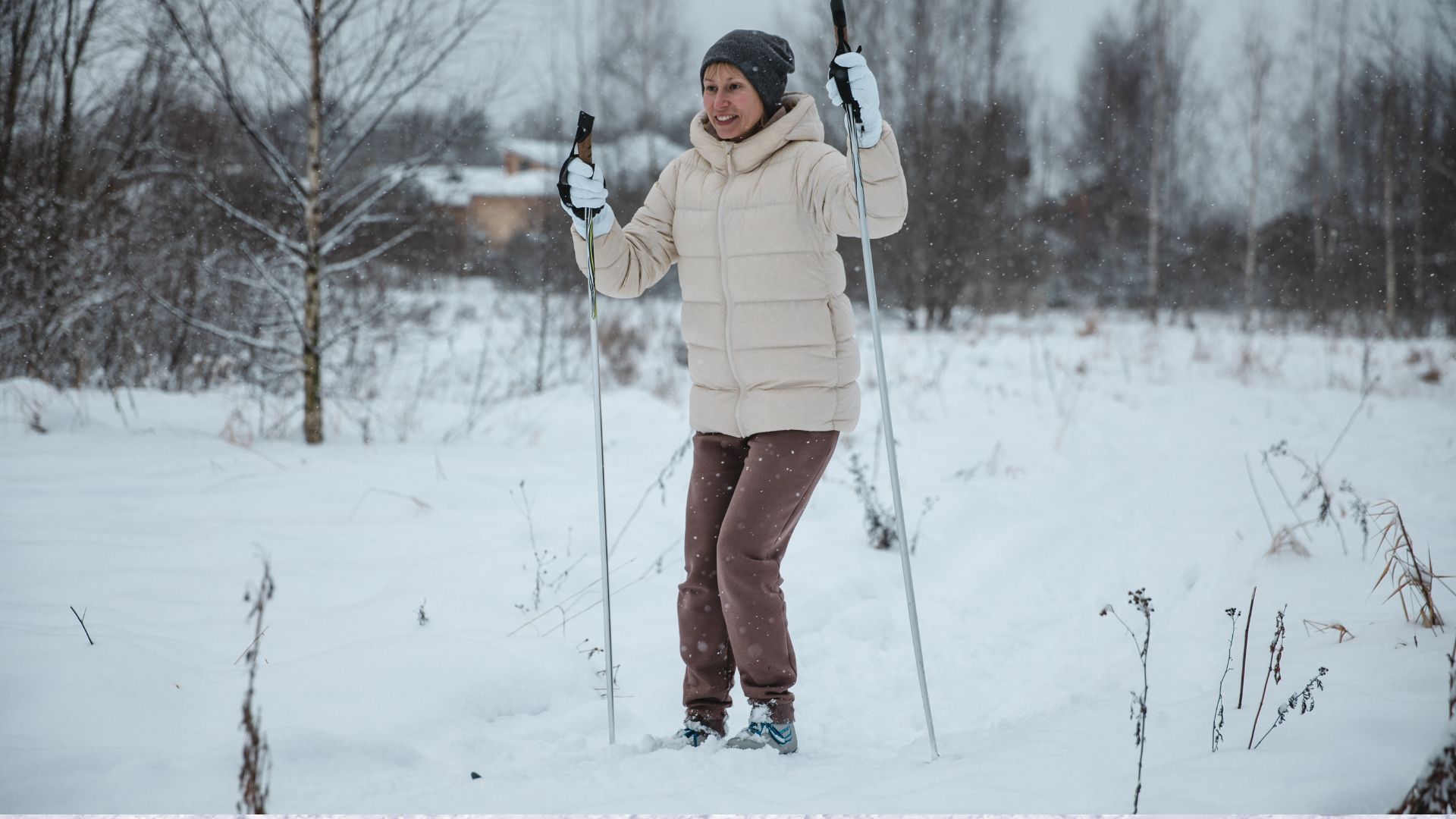
Cross‑Country Skiing: Techniques for Beginners
Cross‑country skiing is an exciting and rewarding winter sport that offers both a great workout...
read More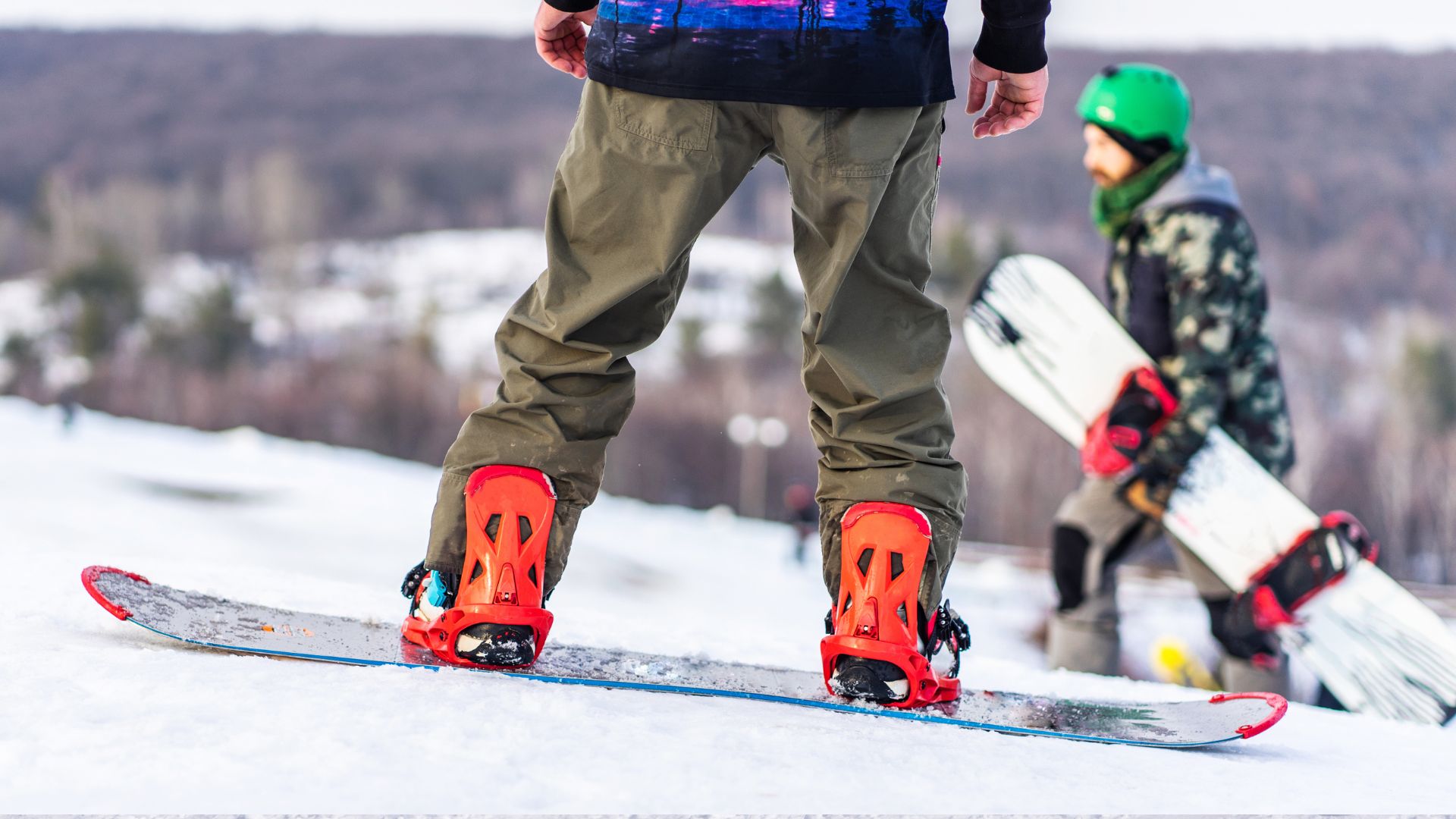
Snowboarding Boots: Essential Gear for 2026
Snowboarding boots are an essential part of your snowboarding gear, offering comfort, support, and performance...
read More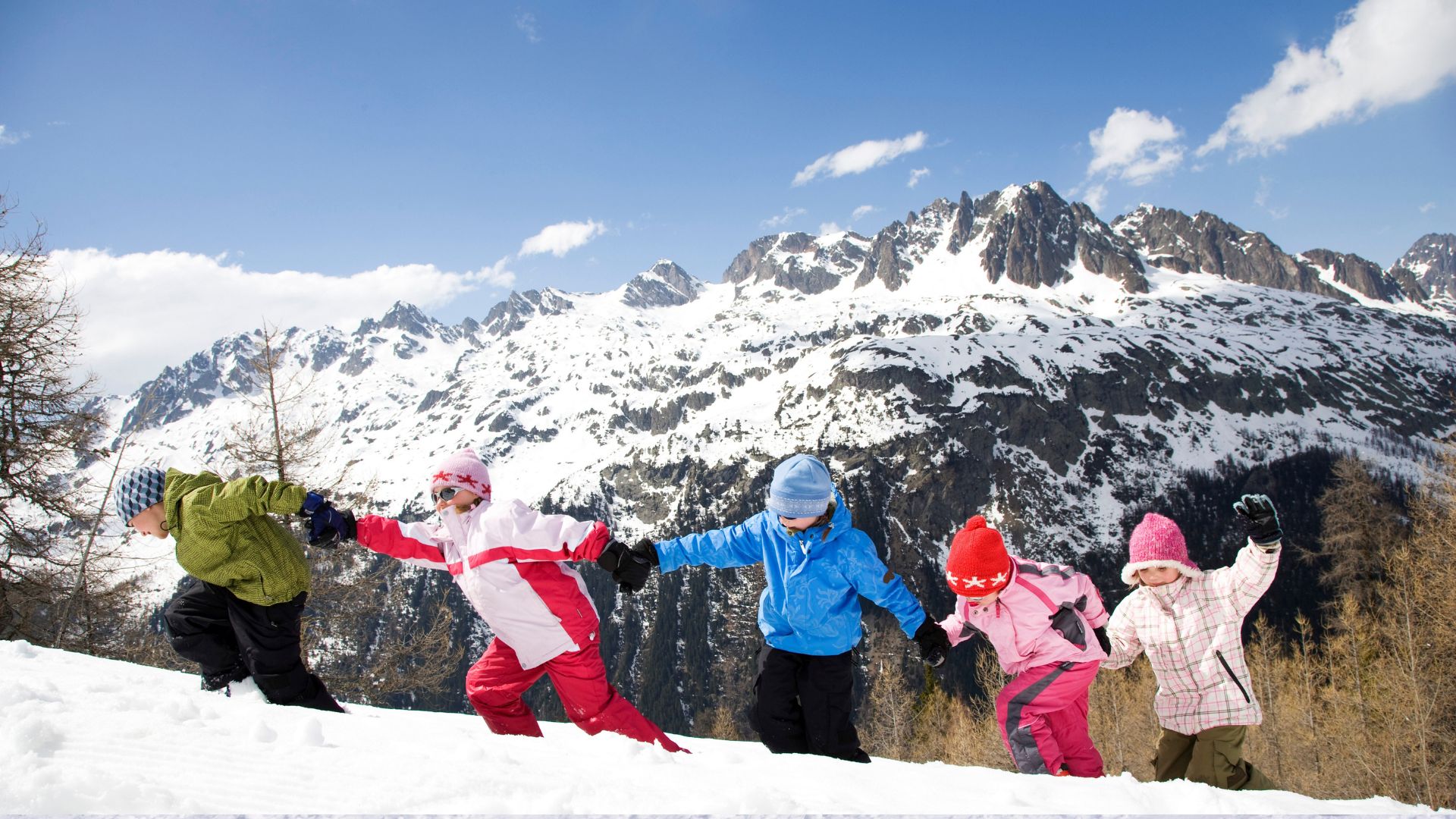
Best Kids Ski Schools: A Parent’s Complete Guide
Teaching your child how to ski is about more than just learning a new sport—it’s...
read More
Adventure Ski & Snowboard School: Everything You Need to Know
Winter sports offer more than just excitement—they create confidence, discipline, and unforgettable experiences. Choosing an...
read More
Best Ski Schools for Kids: What Truly Matters for Young Skiers
When children learn to ski the right way, it can shape how they feel about...
read More
Understanding Skiing Boarding Schools and How They Work
Education does not always follow a traditional classroom-only path. For students who thrive in structured...
read More