
When to Start Ski Lessons for Kids: Ideal Age & Readiness Signs
November 19, 2025 | ski lesson
Parents often wonder when the right time is to introduce their child to skiing. Since skiing is one of the most exciting winter sports for young beginners, the ideal starting age depends on a mix of physical ability, confidence, and emotional readiness. This guide breaks down the best age to begin ski lessons for kids, how to spot readiness signs, and whether private ski lessons for kids or group ski lessons for children are the better choice.
Ideal Age to Start Ski Lessons for Kids
Most children can start learning skiing between 3 and 5 years old. At this age, they typically have enough balance, motor skills, and strength to begin practising basic movements. However, the perfect age isn’t the same for every child. Some kids show early physical coordination and may start earlier, while others need a little more time.
If you’re unsure, look for cues like comfort with outdoor activities, willingness to try new things, and the ability to follow simple instructions. These early signals can help you determine when your child is ready to join kids’ ski training programs.
Key Readiness Signs Parents Should Look For
Even if your child falls into the recommended age range, developmental readiness matters more than age alone. Below are the most common readiness signs:
1. Physical Balance and Body Control
Children who can walk, run, and jump confidently are usually ready to learn skiing. Good balance makes it easier to handle skiing basics for children, such as standing on skis, sliding gently, and stopping safely.
2. Ability to Follow Directions
Skiing requires listening to instructors and following step-by-step guidance. If your child can consistently follow short instructions, they will adapt smoothly during ski lessons for kids.
3. Comfort with Snow and Cold Weather
Some children love playing in the snow; others find it overwhelming. A child who enjoys winter play will feel more relaxed during lessons and progress faster in skiing basics.
4. Interest in Learning New Activities
A naturally curious child who enjoys exploring new things is more likely to stay motivated during ski lessons. Real enthusiasm leads to quick improvement and safer learning.
Choosing Between Private and Group Ski Lessons for Kids
After deciding your child is ready, the next step is choosing between private ski lessons for kids and group ski lessons for children. Each type has unique advantages.
Private Ski Lessons for Kids
Private lessons are ideal for kids who need personalised attention. The instructor adjusts the pace according to your child’s ability, helping them progress faster. This is especially helpful for kids who feel nervous or shy in group environments.
Group Ski Lessons for Children
Group lessons focus more on teamwork, fun, and social interaction. Children learn through shared experiences and friendly competition. These lessons often include fun skiing games for kids, which help young learners stay engaged while practising important skills.
Kids Ski Training Programs: What They Include
Most kids’ ski training programs combine professional instruction with play-based learning. A good program typically covers:
- Balancing on skis
- Sliding with control
- Basic stopping techniques
- Turning safely
- Introduction to chairlifts
- Simple skiing drills that help build confidence
These programs are designed to keep sessions fun, gently challenging, and safe.
Skiing Basics for Children: What They Learn First
Before mastering complex techniques, kids start with simple, foundational skills. These early steps help them feel stable and confident on the slopes:
• Standing and Balancing
Children learn how to stand correctly on skis with a comfortable stance. Instructors teach the safest way to move without losing balance.
• Sliding on Gentle Terrain
Kids practice sliding on easy slopes, getting used to the sensation of moving on snow.
• The Pizza Stop
One of the best skiing techniques for kids, the “pizza stop,” involves forming a wedge with skis to slow down or stop.
• Safe Falling and Getting Up
Every skier falls, especially beginners. Training programs teach kids how to get up safely and independently.
Kids’ Ski Safety Tips Every Parent Should Know
Safety is a top priority when starting skiing. These ski safety tips help parents prepare their children for a smooth experience:
1. Dress in Warm, Layered Clothing
Children lose heat quickly. Layers provide warmth and flexibility.
2. Choose Properly-Fitted Gear
Ill-fitting gear affects balance and control. Ensure boots, skis, and helmets are kid-friendly and comfortable.
3. Encourage Short, Fun Sessions
Young learners often tire quickly. Short sessions keep them enthusiastic without overwhelming them.
4. Keep Hydration and Breaks in Mind
Cold weather can hide signs of dehydration. Regular breaks help kids stay energized and focused.
Fun Skiing Games for Kids That Boost Skills
Learning to ski is more enjoyable when mixed with fun activities. Instructors often use engaging games to make practice feel like play. Popular options include:
- Follow the Leader: Kids copy simple moves made by the instructor.
- Obstacle Slides: Children slide around soft, colourful obstacles to practice turning.
- Snow Treasure Hunt: Helps build movement control while searching for hidden items.
These games help young skiers stay excited, learn balance, and avoid common skiing mistakes kids should avoid.
Skiing Mistakes Kids Should Avoid
Beginners often repeat similar mistakes, but they’re easy to correct with the right guidance:
- Leaning too far back
- Trying to go too fast
- Not keeping hands forward.
- Forgetting the wedge stop
- Losing focus when turning
Consistent practice quickly fixes these mistakes and builds long-term confidence.
Final Thoughts:
The best time to start ski lessons for kids is when they show a mix of interest, physical readiness, and confidence. Whether you choose private ski lessons for kids, group ski lessons for children, or a structured training program, the goal is to keep the experience fun, safe, and inspiring.
Introducing skiing at the right age opens the door to a lifetime of winter adventure. With patient instruction and the right approach, kids can enjoy one of the most exciting winter sports for young beginners.
FAQs
Q1: What is the best age to start skiing?
Most children start between 3–5 years old.
Q2: Are private lessons better for beginners?
Yes, if your child needs one-on-one attention.
Q3: How long should a first lesson be?
Around 1–2 hours is ideal for young kids.
Q4: Should kids use poles when starting?
Not at the beginning, focus on balance first.
More Posts
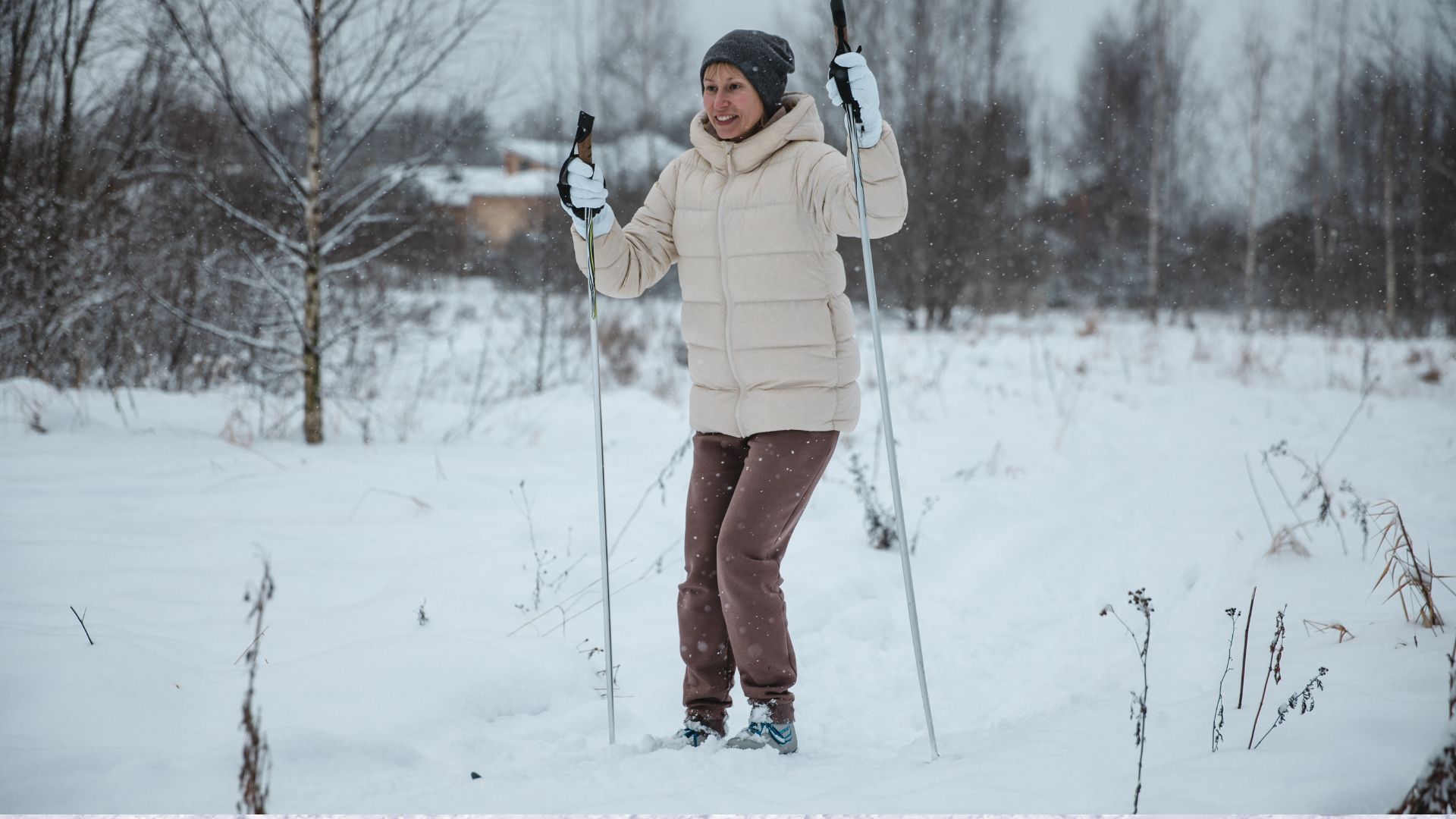
Cross‑Country Skiing: Techniques for Beginners
Cross‑country skiing is an exciting and rewarding winter sport that offers both a great workout...
read More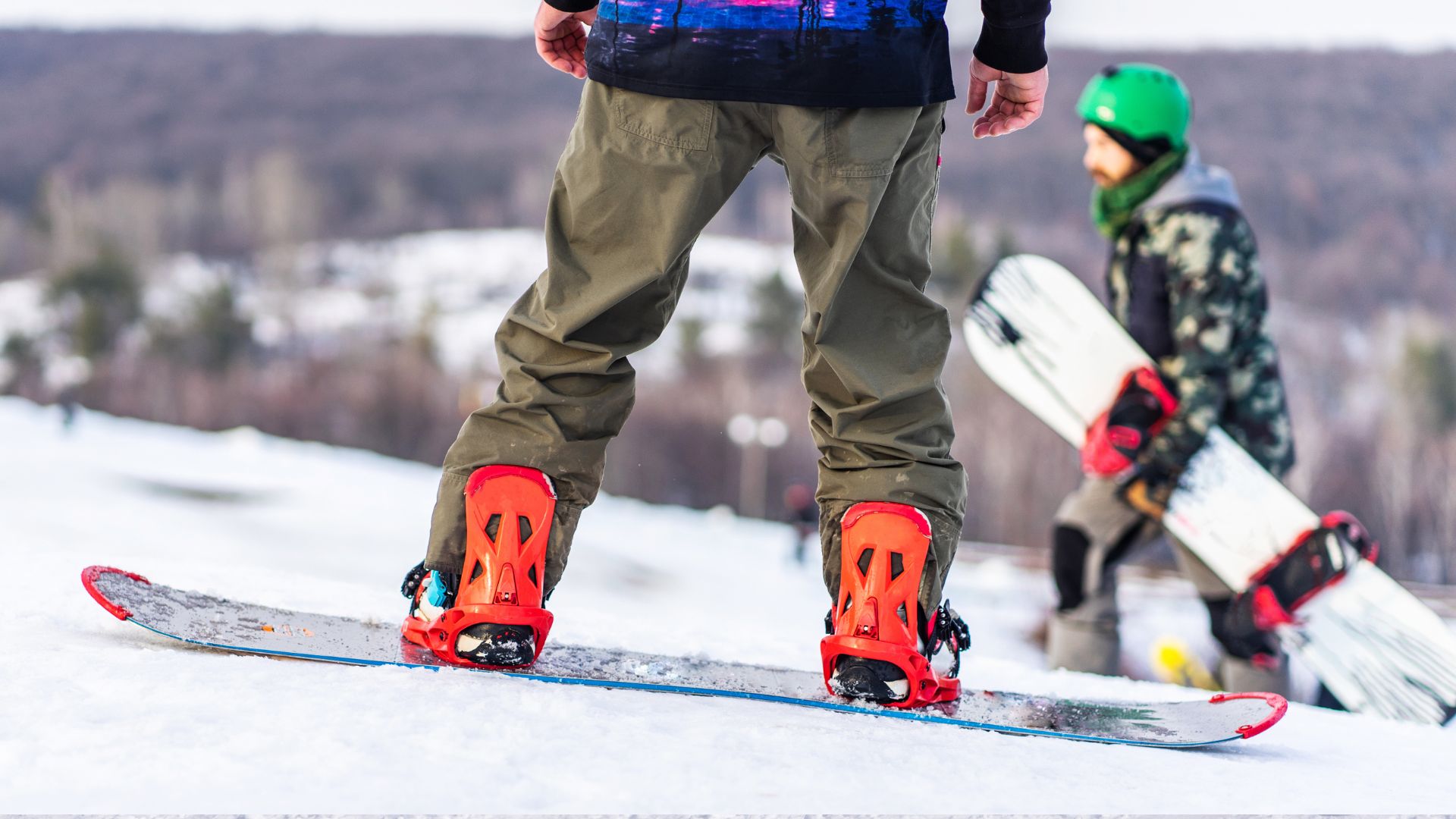
Snowboarding Boots: Essential Gear for 2026
Snowboarding boots are an essential part of your snowboarding gear, offering comfort, support, and performance...
read More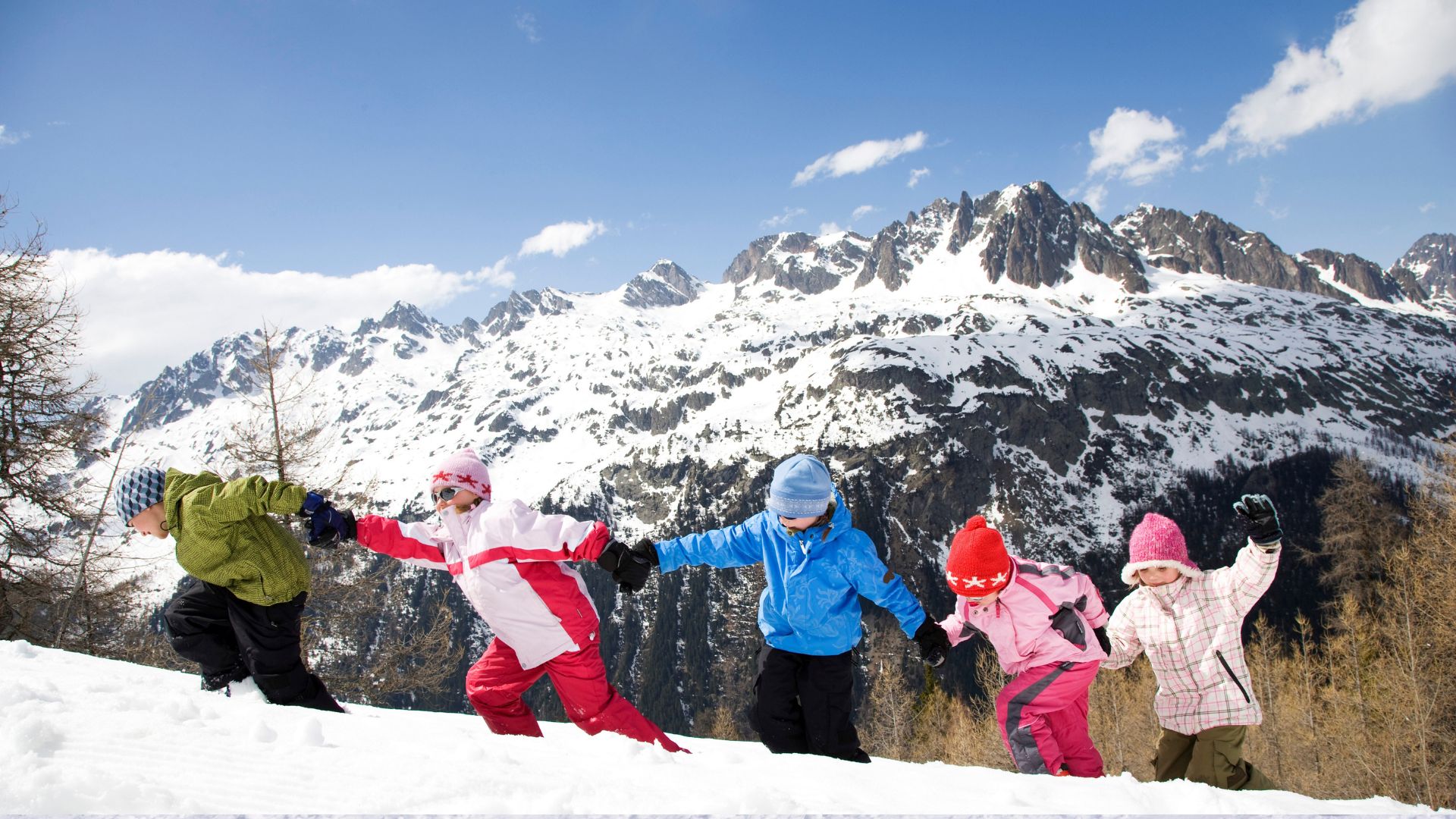
Best Kids Ski Schools: A Parent’s Complete Guide
Teaching your child how to ski is about more than just learning a new sport—it’s...
read More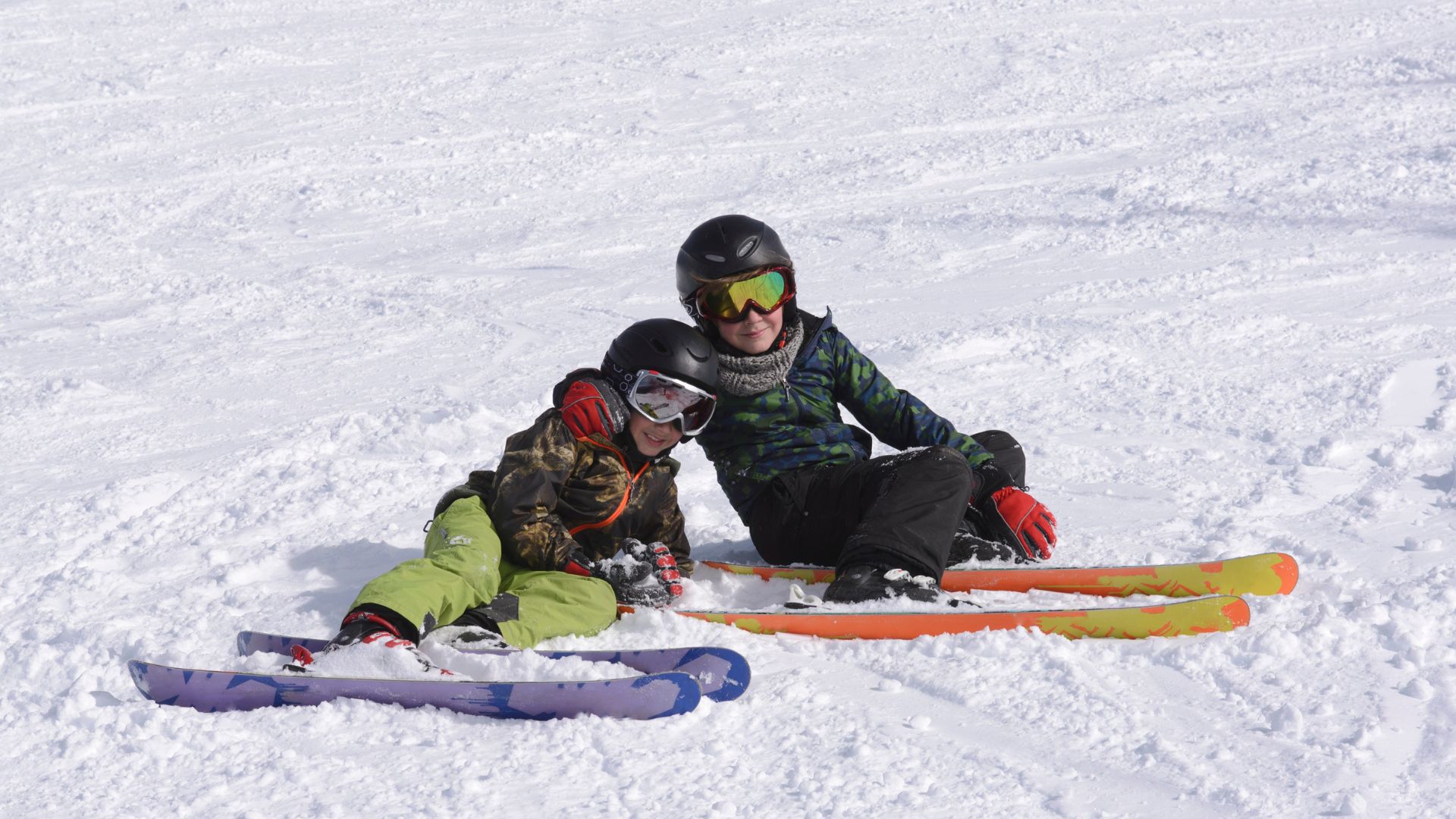
Adventure Ski & Snowboard School: Everything You Need to Know
Winter sports offer more than just excitement—they create confidence, discipline, and unforgettable experiences. Choosing an...
read More
Best Ski Schools for Kids: What Truly Matters for Young Skiers
When children learn to ski the right way, it can shape how they feel about...
read More
Understanding Skiing Boarding Schools and How They Work
Education does not always follow a traditional classroom-only path. For students who thrive in structured...
read More