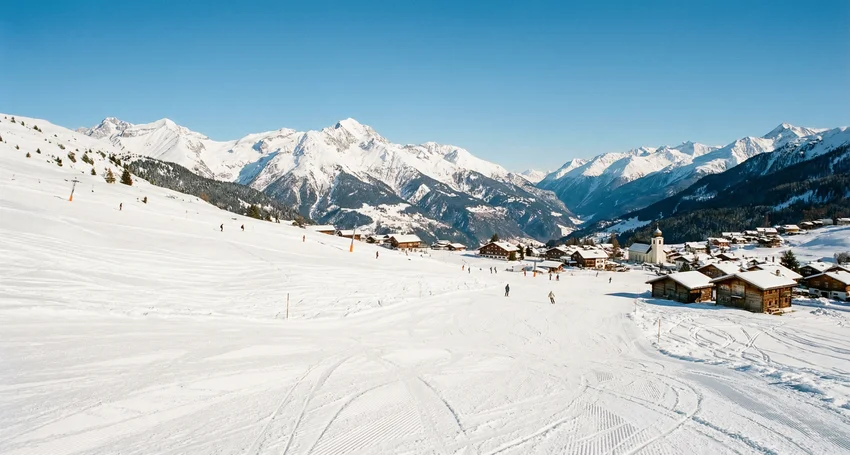
Deciding on the best time to go skiing in Europe can feel like a complex puzzle. With so many world-class resorts spread across the Alps and beyond, each offering a unique window of pristine snow and vibrant atmosphere, pinpointing the perfect moment for your trip is crucial. Whether you are a seasoned powder hound chasing the deepest snow or a family looking for sunny, quiet slopes, the timing of your ski holiday will significantly shape your experience. From the crisp, early-season days of December to the long, sun-drenched afternoons of April, each month offers a different blend of conditions, costs, and crowds.
This comprehensive guide will walk you through the European ski season month by month, providing the expert advice you need to plan your ultimate winter getaway. We will explore the nuances of snow reliability, pricing fluctuations, and the unique character of each period. Understanding these factors is the key to unlocking an unforgettable holiday. For instance, did you know that some of the best snowfalls often occur in January, a month that also sees fewer crowds and lower prices after the festive rush? Or that Easter skiing can offer a fantastic combination of reliable snow cover at high-altitude resorts and glorious spring sunshine? This guide is your inside track, helping you navigate the options like a seasoned pro.
Here at findaskischool.com, we believe that a great ski trip starts with great planning. By the end of this article, you will have a clear picture of when and where to go to find your perfect conditions. We will also touch upon essential topics like Ski Pass Prices in Europe: A Complete Guide for 2026 and help you understand When Is Ski Season? Opening Dates for Europe's Top Resorts. Whether you are a complete novice wondering How to Ski for the First Time: Everything You Need to Know or an expert looking for a new challenge, this guide will set you on the right path.
Understanding the European Ski Season
The European ski season typically runs from late November to late April, but this can vary significantly depending on the altitude and location of the resort. High-altitude resorts in the Western Alps, such as Val Thorens in France or Zermatt in Switzerland, often boast seasons that stretch from mid-November to early May, thanks to their glacier skiing and excellent snow-making facilities. In contrast, lower-altitude resorts, particularly those in the Eastern Alps like in Austria or parts of the Dolomites in Italy, may have a more condensed season, usually from mid-December to late March.
The season can be broadly divided into four distinct periods: early season (pre-Christmas), peak season (Christmas to New Year and February half-term), mid-season (January and March), and late season (April onwards). Each period has its own advantages and disadvantages concerning snow conditions, crowd levels, and pricing. Early season offers the excitement of the first snowfalls and is often cheaper, but snow cover can be less reliable. Peak season guarantees a buzzing atmosphere and is ideal for families tied to school holidays, but it comes with the highest prices and busiest slopes. Mid-season, particularly January, is often considered the sweet spot for keen skiers, offering excellent snow, fewer people, and more reasonable prices. Late season brings longer, sunnier days and a relaxed "spring skiing" vibe, perfect for leisurely lunches on mountain terraces, though conditions can become slushy in the afternoons.
December: The Festive Season Kick-Off
December marks the official start of the ski season for most European resorts. The first half of the month is typically quiet, offering a fantastic opportunity for skiers to enjoy fresh tracks on empty slopes at a lower cost. This is an excellent time for a short, pre-Christmas break to find your ski legs. However, the major draw of December is the festive period. Skiing over Christmas and New Year is a magical experience, with resorts adorned in festive lights, Christmas markets in full swing, and a palpable sense of celebration in the air. Imagine skiing down a beautifully groomed piste with the scent of mulled wine drifting up from the village below – it is an experience that creates lasting memories.
In terms of snow, December can be a mixed bag. While high-altitude resorts are generally reliable, lower resorts can be at the mercy of early-season snowfall. It is always wise to choose a resort with a good snow record and extensive snow-making capabilities if you plan to ski this early. Resorts like Val d'Isère in France, Verbier in Switzerland, and Ischgl in Austria are renowned for their excellent early-season conditions. The atmosphere is electric, but be prepared for peak season pricing and book well in advance, as accommodation and flights fill up quickly. For those new to the sport, it is a wonderful time to learn, and many of The Best Ski Resorts for Beginners in Europe will be fully operational and ready to welcome you.
January: The Powder Hunter's Paradise
For many serious skiers, January is the undisputed best month to hit the slopes in Europe. The festive crowds have departed, leaving behind quiet pistes and, more often than not, the best snow conditions of the year. The cold temperatures of mid-winter help to preserve the snow quality, resulting in the light, dry powder that skiers dream of. This is the time when you can often ski directly onto lifts without queuing, even in major resorts, allowing you to rack up some serious mileage.
The combination of excellent snow and low demand also means that January is one of the most affordable months to go skiing. You can find fantastic deals on flights, accommodation, and lift passes, making it the perfect time for a budget-friendly trip without compromising on quality. The atmosphere in the resorts is more relaxed and laid-back compared to the frenzy of the holiday season. It is a month for those who are truly passionate about skiing and snowboarding. If you are looking to progress your skills, the quiet slopes provide the perfect learning environment, and you will find that ski schools have excellent availability. Whether you are carving down groomers or seeking out fresh powder in the off-piste, January consistently delivers an exceptional skiing experience.
February: The Family Favourite
February is peak season in the Alps, driven largely by the half-term school holidays across Europe. This is the most popular time for family ski holidays, and for good reason. The snow base is typically at its deepest and most reliable by this point in the season, ensuring that the vast majority of runs are open and in excellent condition. The weather also begins to offer a hint of spring, with a higher chance of sunny "bluebird" days, making for a more pleasant experience, especially for young children.
Resorts are buzzing with energy and offer a wide range of activities and events tailored to families. However, this popularity comes at a price. February is the most expensive month to ski, and the slopes can be very crowded. It is essential to book everything – from flights and accommodation to ski lessons and hire – many months in advance to secure availability and the best prices. To escape the worst of the crowds, consider skiing during lunchtime when many people head in for a break, or explore the outer edges of the ski area, which are often quieter. Despite the crowds and cost, the reliable snow and lively atmosphere make February an unbeatable choice for families who are restricted to school holiday dates.
March: The All-Rounder
March is a fantastic all-round month for skiing in Europe, offering a superb blend of the best of mid-season and spring skiing. The snow base remains deep and reliable after the winter's accumulation, but the days are noticeably longer and sunnier. The temperatures are milder, making it much more comfortable to be out on the mountain all day. The intense crowds of February have dissipated, yet the resorts still have a vibrant and lively feel.
This month is a favourite for groups of friends and couples. The conditions are perfect for long days on the slopes followed by lively après-ski sessions in the sunshine on a mountainside terrace. You can often find good deals on accommodation and lift passes, particularly in the latter half of the month. While the freeze-thaw cycle can start to affect lower slopes, leading to firmer conditions in the morning and softer snow in the afternoon, the overall skiing is generally excellent, especially at higher altitudes. March is also a great time for ski touring and off-piste adventures, as the snowpack is often more stable. It strikes a wonderful balance, providing great snow, more sunshine, and a fantastic atmosphere without the peak-season price tag.
April: The Spring Fling
Skiing in April is all about embracing the spring conditions. The season is winding down, but for those who choose their resort wisely, there is still plenty of fantastic skiing to be had. The key is to aim high. High-altitude, snow-sure resorts are essential for good conditions in April. Think of places like Tignes and Val Thorens in France, Zermatt and Saas-Fee in Switzerland, or Obergurgl in Austria. These resorts maintain excellent snow cover well into the spring.
The vibe in April is incredibly relaxed. The slopes are quiet, the sun is shining, and the focus shifts to enjoying the mountain environment at a leisurely pace. The skiing is best in the mornings when the pistes are freshly groomed and firm. As the sun works its magic, the snow softens, creating fun, slushy bumps in the afternoon – perfect for practicing a different kind of technique. The afternoons are often best spent enjoying a long, late lunch on a sunny terrace, soaking up the alpine rays. April is also the cheapest month to ski, with end-of-season deals making it incredibly affordable. It is the perfect time for a last-minute getaway and a final, glorious slide into the end of the ski season.
Frequently Asked Questions
What is the cheapest month to go skiing in Europe?
January is generally the cheapest month for a ski holiday in Europe. After the Christmas and New Year rush, demand drops significantly, leading to lower prices for flights, accommodation, and lift passes. April also offers excellent value as it is the end of the season, but for the best combination of affordability and prime snow conditions, January is hard to beat.
When is the best snow in the Alps?
For the most reliable and high-quality powder snow, January and February are typically the best months. During this mid-winter period, temperatures are consistently low, which preserves the snow quality, and the snow base is at its deepest. Storms in January frequently bring fresh dumps of light, dry powder, making it a favourite for serious skiers.
Is it good to go skiing at Easter?
Easter can be a fantastic time to go skiing, especially for families. The dates of Easter vary, but it often falls in late March or April. If you choose a high-altitude, snow-sure resort, you can expect reliable snow cover combined with long, sunny days. It is a great time for beginners and children as the weather is warmer and more pleasant. The atmosphere is relaxed, and it is a wonderful way to end the season.
How far in advance should I book a ski holiday?
For peak weeks, such as Christmas, New Year, and the February half-term, it is advisable to book 9-12 months in advance to secure your preferred accommodation and get the best choice of flights and ski schools. For other periods like January or March, you can often book 3-6 months in advance. However, booking early will always give you the most choice and often the best prices.
Now that you are equipped with the knowledge to choose the perfect time for your European ski adventure, the next step is to make it happen. At findaskischool.com, we make it easy to Find a Ski School or a private instructor in Europe's top resorts. Take the hassle out of your holiday planning and let us connect you with the best instructors to make your trip unforgettable. Start your search today and get ready to hit the slopes!
Find your ski school
Compare schools and instructors in resorts around the world — no booking fees, ever.