First lesson guide
Everything to expect from your first ski lesson.
What happens on the day, what to bring, and what a beginner lesson actually covers — so the first morning is not the first time you hear any of it.
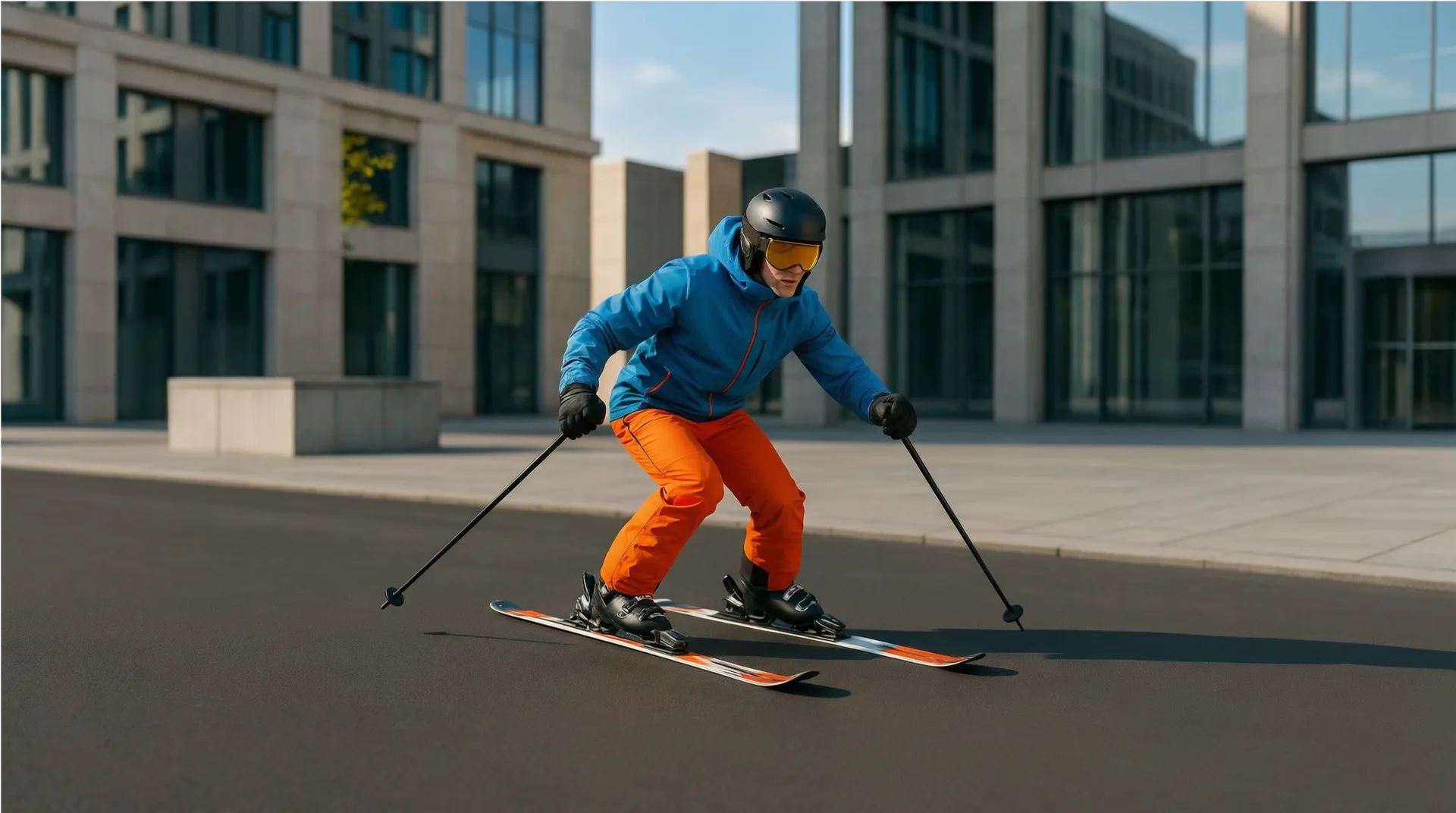
What to Expect on the Day
A typical first ski lesson follows this timeline. Every school is slightly different, but this gives you a good idea.
Prepare Your Equipment
Rent or buy your equipment, try on your boots (they should be snug but not painful), and lay out your clothing layers. Get an early night — skiing is physical!
Get Ready & Arrive Early
Eat a good breakfast, apply sunscreen (even on cloudy days!), dress in layers, and arrive at the meeting point 15 minutes early. Allow time for qualified rental staff to resolve any fitting, binding or equipment issues before the lesson.
Meet Your Instructor
Your instructor will introduce themselves, check your equipment fits properly, and explain the plan for the lesson. Don't be shy — ask any questions you have!
Learning the Basics
You'll start on flat ground learning to balance, then move to a gentle nursery slope. Early lessons commonly introduce balance, gliding, turning and stopping, and progress varies between learners. It's okay to fall — everyone does!
Celebrate & Reflect
Your instructor may give you tips to practice. Take it easy for the rest of the day — your muscles will thank you! Many people book another lesson for the next day to build on what they learned.
What to Wear & Bring
Essential Equipment
- Skis, boots & poles (rent from the resort or your ski school)
- Helmet — requirements vary by country, resort, school and age; widely recommended
- Waterproof ski jacket
- Waterproof ski trousers / salopettes
- Warm, waterproof gloves or mittens
- Ski goggles or sunglasses (UV protection is essential)
Most ski schools offer equipment rental or can recommend a local shop. Ask when you book!
What to Wear Underneath
- Thermal base layer (top and bottom) — avoid cotton
- Fleece or mid-layer for warmth
- Ski socks (one thin pair — not multiple thick pairs)
- Neck warmer or balaclava for cold days
- High SPF sunscreen and lip balm with UV protection
Avoid jeans and cotton — they absorb moisture and make you cold. Synthetic or merino wool layers are best.
Understanding Ski Levels
When booking, you'll be asked your level. As a first-timer, you'll start here and progress through these stages.
Never skied or snowboarded before. Starting from the very basics — learning to stand, balance, and stop.
Learning to link basic turns and stop with control on nursery or gentle green runs.
Controls speed and direction on blue runs. Developing consistent plough-parallel turns on skis or linked skidded turns on a snowboard.
Developing reliable parallel skiing or controlled edge changes on a snowboard, with rhythm and speed control on suitable groomed reds.
Refining carved turns and adapting to steeper marked runs, bumps and variable snow. Terrain and conditions still need individual assessment.
Consistent, adaptable performance on demanding marked pistes and bumps. Off-piste, touring and avalanche decisions require separate assessment.
What will it cost?
Lesson prices vary a lot. Here's what drives them, so you can compare like for like rather than just picking the cheapest.
Group or private
Group lessons share the cost across several learners, so they're the most affordable way to start. Private lessons cost more but give you the instructor's full attention and quicker progress.
Duration and days
A short taster costs less than a full day, and most schools discount multi-day courses. First-timers often book a short lesson each morning across a few days.
Resort and season
Well-known resorts and peak weeks cost more than quieter resorts and off-peak dates. The same lesson can carry a different price depending on when and where you book.
Equipment
Skis, boots and a helmet are usually hired separately from the lesson. Some schools bundle rental into a package, so check what's included before comparing prices.
When you're ready to compare, the school directory lets you sort by price and shows a “from” price on every school that has published its lesson rates. Compare schools by price
Common Questions
Both are great options! Group lessons are social and more affordable — you'll learn alongside others at the same level. Private lessons give you one-on-one attention and progress faster. For complete beginners, either works well. If you're nervous, a private lesson lets you go at your own pace.