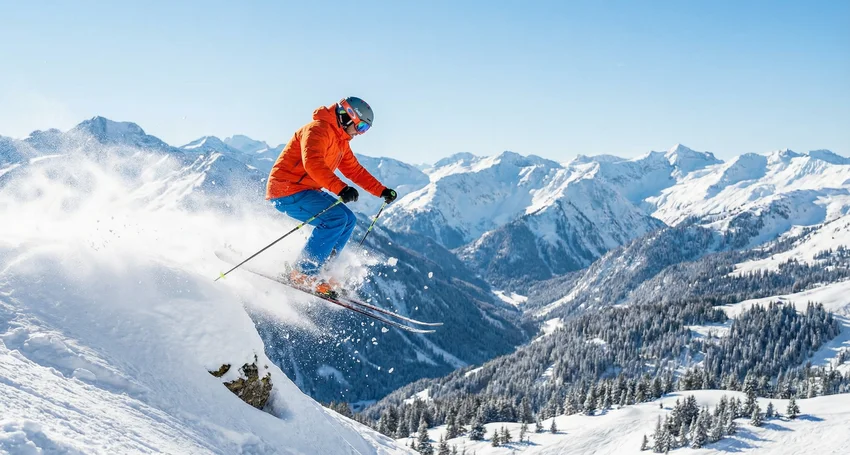
Moguls. The very word can strike fear into the hearts of even the most seasoned skiers. Those fields of snowy bumps, seemingly designed by a mischievous mountain god to trip you up and send you tumbling, can be an intimidating sight. Many skiers avoid them altogether, sticking to the groomed pistes and missing out on a whole dimension of skiing. But what if we told you that skiing moguls isn’t just for the pros? What if, with the right technique and a little bit of practice, you could learn to dance through them with grace and control?
This guide is your key to unlocking the secrets of the bumps. We’re going to break down the art of mogul skiing into simple, manageable steps. Forget the flailing and the fear; we’ll show you how to read the terrain, control your speed, and use your body to absorb the bumps like a human shock absorber. Whether you’re a confident intermediate skier looking for a new challenge or someone who has always been terrified of moguls, this comprehensive guide will give you the tools and the confidence to conquer them.
We’ll cover everything from the fundamental body position and turning techniques to advanced tips for skiing the ‘zipper line’. We’ll also look at common mistakes and how to correct them, as well as drills you can practise to hone your skills. So, take a deep breath, put your mogul anxieties to one side, and let’s get ready to embrace the bumps. With our expert advice, you’ll soon be seeking out those mogul fields, not avoiding them.
Understanding Moguls: What Are They and How Are They Formed?
Before you can ski moguls, it helps to understand what they are. Moguls are bumps of snow that form on ski slopes, particularly on steeper sections that are not regularly groomed. They are created by the repeated turning of skiers. As skiers make turns, they push snow into piles, and over time, these piles grow into bumps. The troughs between the bumps are the paths that skiers take.
There are two main types of moguls: natural and man-made. Natural moguls, as the name suggests, form organically from skier traffic. Their shape and size can be irregular, making them a fun and unpredictable challenge. Man-made moguls are created for competitions and are typically more uniform in shape and spacing. For the purpose of this guide, we’ll be focusing on the natural moguls you’ll find on your average ski resort.
The Fundamental Stance for Mogul Skiing
Your stance is the foundation of good mogul skiing. It’s all about being balanced, athletic, and ready to absorb the terrain. A common mistake is to lean back, which puts you on the defensive and makes it difficult to control your skis. Instead, you want to adopt a more aggressive, forward-leaning position.
Body Position
- Flex your ankles, knees, and hips: This is your suspension system. The more you flex, the more you can absorb the bumps. Think of yourself as a coiled spring, ready to react to the changing terrain.
- Keep your hands forward: Imagine you are carrying a tray with drinks on it. This will help you to keep your upper body stable and facing down the fall line.
- Look ahead: Don’t stare at the mogul right in front of you. Look at least three or four bumps ahead to plan your line. This will give you more time to react and make smoother turns.
- Stay centred over your skis: Your weight should be evenly distributed on both feet. Avoid leaning too far forward or too far back.
Mastering the Mogul Turn
The mogul turn is different from the long, sweeping turns you might make on a groomed piste. It’s a quicker, more dynamic movement that uses the shape of the moguls to your advantage. The goal is to keep your skis in contact with the snow as much as possible, which gives you more control.
The Three Parts of a Mogul Turn
- The Approach: As you approach a mogul, you should be in your fundamental stance, looking ahead to choose your line. You’ll typically turn on the top or the side of the mogul.
- The Turn: As you ski up the front of the mogul, your body should be absorbing the bump by flexing your ankles, knees, and hips. At the crest of the mogul, you’ll pivot your skis in the direction you want to go. This is a quick, skidded turn, not a carved one. If you are still working on your turns, you might find our guide on From Snowplough to Parallel: How to Progress Your Skiing helpful.
- The Absorption: As you ski down the back of the mogul, you’ll extend your legs to maintain contact with the snow. This is the opposite of what you did on the way up. This extension and retraction of the legs is the key to smooth mogul skiing.
Reading the Line: Where to Turn
One of the most challenging aspects of mogul skiing is choosing your line. There are two main lines you can take through a mogul field: the ‘rut line’ and the ‘zipper line’.
The Rut Line
The rut line is the path of least resistance. It’s the trough between the moguls where most skiers go. For beginners, this is the best place to start. The rut line is generally smoother and more predictable, allowing you to focus on your technique without having to worry about navigating over the tops of the bumps.
The Zipper Line
The zipper line is a more direct, aggressive line that involves skiing straight down the fall line, turning on the top of each mogul. This is a more advanced technique that requires excellent balance and absorption skills. As you get more confident, you can start to experiment with the zipper line.
No matter which line you choose, the key is to look ahead and plan your turns. Don’t get fixated on a single mogul. Try to link your turns together in a smooth, flowing rhythm. For those looking to refine their turning technique, our article on How to Carve on Skis Like a Pro offers some great tips that can be adapted for moguls.
Common Mistakes and How to Correct Them
Everyone makes mistakes when they’re learning to ski moguls. The key is to recognise them and know how to correct them.
Leaning Back
This is the most common mistake. It’s a natural reaction to the steepness of the bumps, but it puts you in a defensive position and makes it difficult to turn. To correct this, focus on keeping your hands forward and pressing your shins against the front of your boots.
Stiff Legs
If your legs are stiff, you won’t be able to absorb the bumps. You’ll be bounced around and lose control. Remember to keep your ankles, knees, and hips flexed. Think of your legs as suspension.
Looking at Your Skis
If you’re looking at your skis, you’re not looking ahead. This means you’ll be reacting to the moguls at the last second, rather than planning your line. Keep your head up and look at least three or four bumps ahead.
Trying to Carve
Mogul skiing is about skidded turns, not carved turns. If you try to carve, you’ll catch your edges and fall. Focus on pivoting your skis on the top of the mogul. For those interested in other skiing disciplines, you might enjoy our A Beginner's Guide to Telemark Skiing.
Drills to Practise
- Absorption Drills: Find a gentle slope with some small bumps or rollers. Ski over them and focus on absorbing the bumps by flexing and extending your legs. Try to keep your upper body as still as possible.
- Pole Planting: Your poles are an important tool for timing and balance in the moguls. As you approach a mogul, plant your pole on the top of the bump. This will help you to initiate your turn and stay balanced.
- One-Legged Skiing: This is a great drill for improving your balance. On a gentle slope, lift one ski off the snow and try to make some turns. This will force you to stay centred over your ski.
The Physical Demands of Mogul Skiing
Mogul skiing is a fantastic workout. It’s a high-intensity activity that will get your heart pumping and your legs burning. The constant absorption and turning motions engage your quads, hamstrings, and glutes, making it a great lower-body workout. If you're curious about the fitness benefits of skiing, check out our article on How Many Calories Does Skiing Burn? The Surprising Truth.
Frequently Asked Questions
### What kind of skis are best for moguls?
While you can ski moguls on any type of ski, a shorter, softer, and narrower ski will be more forgiving and easier to turn in the bumps. Many manufacturers make mogul-specific skis, but a good all-mountain ski will also work well.
### How do I control my speed in the moguls?
Speed control is one of the biggest challenges in mogul skiing. The key is to use the shape of the moguls to your advantage. By turning on the top of the moguls and using a skidded turn, you can scrub off speed. You can also use the back of the mogul to slow down by absorbing the bump and letting your skis slide down the back.
### Is mogul skiing bad for your knees?
If you use the correct technique, mogul skiing should not be bad for your knees. The key is to absorb the bumps with your legs, rather than letting the impact travel up to your joints. If you have pre-existing knee problems, it’s always a good idea to consult with a doctor or a qualified ski instructor before tackling the moguls.
### How long does it take to learn to ski moguls?
This depends on your overall skiing ability and how much you practise. A confident intermediate skier could start to feel comfortable in the moguls after a few lessons and some dedicated practice. The key is to start on gentle slopes with small moguls and gradually work your way up to more challenging terrain.
Your Mogul Adventure Awaits
Conquering moguls is a rite of passage for any serious skier. It’s a challenging but incredibly rewarding experience that will improve your overall skiing technique and open up a whole new world of terrain. Remember to start slow, focus on your technique, and don’t be afraid to fall. With a little bit of practice and the right guidance, you’ll be dancing through the bumps in no time.
Ready to take your mogul skiing to the next level? The best way to improve is with a lesson from a qualified instructor. At Find a Ski School, we can help you find the perfect ski school or instructor to help you achieve your goals. Whether you’re a complete beginner or an experienced skier looking to refine your technique, we have a wide range of options to suit your needs. Book your lesson today and get ready to conquer the moguls!
Find your ski school
Compare schools and instructors in resorts around the world — no booking fees, ever.