Do You Need a Helmet for Skiing? A Comprehensive Safety Guide
As you gear up for your next ski adventure, you might find yourself pondering a crucial question: is a ski helmet truly necessary? The short answer is a resounding yes. In the past, helmets were a rare sight on the slopes, often reserved for professional racers. Today, they are as common as skis and boots, and for very good reason. The mountains are an unpredictable environment, and while the thrill of gliding down a snow-covered slope is undeniable, safety should always be your top priority. A helmet is your first and most important line of defence against head injuries, which can range from minor concussions to life-altering trauma.
Choosing to wear a helmet is not about fear; it’s about skiing with confidence. It’s about knowing that you’ve taken a simple yet critical step to protect yourself, allowing you to focus on improving your technique, exploring new runs, and soaking in the breathtaking alpine scenery. Whether you are a complete beginner embarking on your very first lesson or a seasoned expert carving down black diamond runs, the risk of a fall is ever-present. A patch of ice, a sudden change in snow conditions, or a collision with another skier can happen in an instant. A certified ski helmet is engineered to absorb the impact of a fall, significantly reducing the force that reaches your head and brain.
This guide will walk you through everything you need to know about ski helmet safety. We’ll delve into the reasons why wearing a helmet is non-negotiable, how to choose the right one for you, and when it’s time to replace it. We’ll also answer some of the most frequently asked questions about ski helmets, empowering you to make an informed decision and ski with greater peace of mind. Remember, the best ski trip is a safe ski trip, and it all starts with protecting your head.
Why Wearing a Ski Helmet is Essential
The importance of wearing a ski helmet cannot be overstated. While skiing is an exhilarating sport, it comes with inherent risks. The most significant of these is the potential for head injuries. A fall on a hard-packed slope or a collision with a tree, rock, or another person can have devastating consequences. A certified ski helmet is a piece of equipment designed to mitigate these risks, and its use is a fundamental aspect of responsible skiing.
The Science of Impact Protection
Modern ski helmets are marvels of engineering, designed to absorb and dissipate the energy of an impact, thereby reducing the forces that reach your brain. They typically consist of a hard outer shell and a soft inner liner. The outer shell, usually made from a tough polycarbonate or ABS plastic, is designed to spread the force of an impact over a wider area. It also protects against penetration from sharp objects. The inner liner, most commonly made from expanded polystyrene (EPS) foam, is the component that does the crucial work of absorbing the impact. When you fall and hit your head, the EPS foam compresses, converting the kinetic energy of the impact into a small amount of heat and sound. This process significantly slows down the deceleration of your head, reducing the G-forces exerted on your brain and lowering the risk of a concussion or more severe traumatic brain injury.
Beyond Falls: Protection from Other Hazards
While falls are the most common cause of ski-related injuries, helmets offer protection from a range of other hazards on the mountain. They can shield you from falling ice or rocks, particularly if you are skiing or snowboarding near cliffs or in steep, rocky terrain. They also provide a barrier against collisions with other skiers or snowboarders, which are unfortunately a common occurrence in crowded resort areas. Furthermore, a helmet can offer protection from low-hanging tree branches or ski lift equipment. Think of it as your personal safety bubble, providing 360-degree protection from the unexpected. For those just starting out, our guide on How to Ski for the First Time: Everything You Need to Know provides a great overview of what to expect on the slopes and how to stay safe.
Leading by Example: The Culture of Safety on the Slopes
In recent years, there has been a significant cultural shift in the world of skiing and snowboarding. What was once a niche accessory for professional athletes is now standard equipment for recreational skiers of all ages and abilities. This shift has been driven by a greater awareness of the risks associated with snow sports, as well as by the efforts of ski resorts, instructors, and safety organizations to promote helmet use. When you wear a helmet, you are not only protecting yourself but also contributing to a culture of safety on the mountain. You are sending a message to those around you, especially younger skiers and snowboarders, that safety is cool and that taking preventable risks is not. By making helmet use the norm, we can all play a part in making our beloved sport safer for everyone.
How to Choose the Right Ski Helmet
Now that you understand why wearing a ski helmet is so important, the next step is to choose the right one for you. A helmet that doesn't fit properly or isn't appropriate for your needs won't provide the protection you require. Just as finding the perfect ski boots is crucial for comfort and performance, as detailed in our How to Choose the Right Ski Boots: A Fitting Guide, selecting the right helmet is paramount for your safety.
Fit and Sizing: The Most Critical Factor
A proper fit is the single most important factor when choosing a ski helmet. A helmet that is too loose can shift or even come off during a fall, leaving you unprotected. A helmet that is too tight will be uncomfortable and may cause pressure points and headaches. To find the right size, use a soft tape measure to measure the circumference of your head, just above your eyebrows and ears. This measurement in centimetres corresponds to helmet sizing. When you try on a helmet, it should feel snug but not tight. There should be no major gaps between the helmet and your head. Shake your head from side to side and nod forwards and backwards; the helmet should stay securely in place without shifting. It’s also essential to check for compatibility with your goggles. The helmet and goggles should fit together snugly, without a large gap at the forehead (known as a 'gaper gap') or pressure on the bridge of your nose.
Construction Types: In-Mould vs. Hard Shell
Ski helmets are typically made using one of two construction methods: in-mould or hard shell (also known as ABS). In-mould helmets fuse the outer shell and the EPS foam liner together in a single moulding process. This results in a lighter, more streamlined helmet with excellent ventilation. Hard shell helmets, on the other hand, are made by bonding a separate, durable ABS plastic shell to the foam liner. These helmets are generally more robust and resistant to dings and scratches, making them a popular choice for aggressive skiers or those who are tough on their gear. While both construction types offer excellent protection, the choice between them often comes down to personal preference regarding weight, durability, and aesthetics.
Advanced Safety Features: MIPS and Beyond
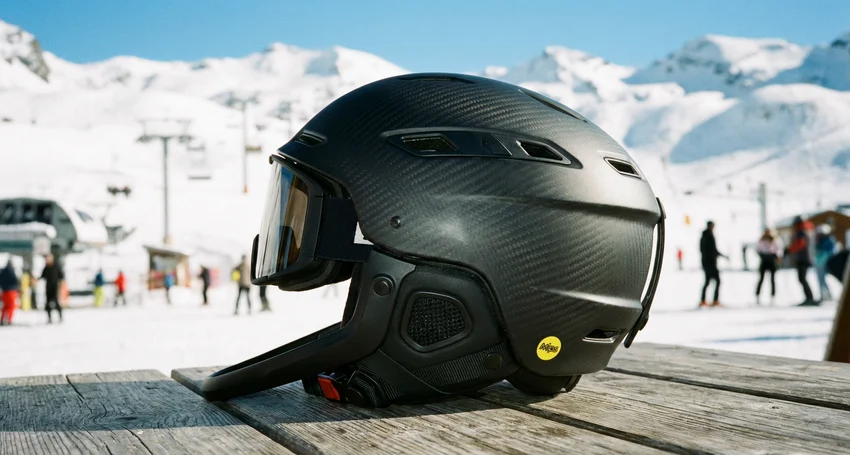
In recent years, helmet technology has advanced significantly, with a focus on providing better protection against rotational forces. Rotational forces, which can occur when you fall at an angle, are a primary cause of concussions. The Multi-directional Impact Protection System (MIPS) is a leading technology designed to address this. A helmet with MIPS has a low-friction layer that allows the helmet to rotate slightly relative to the head during an angled impact, redirecting rotational forces that would otherwise be transmitted to the brain. Other proprietary technologies from different brands offer similar rotational impact protection. While these advanced safety features often come at a higher price point, they provide an extra layer of protection that many skiers find invaluable.
When to Replace Your Ski Helmet
A common misconception among skiers is that a helmet is a one-time purchase that will last a lifetime. In reality, all ski helmets have a limited lifespan and need to be replaced regularly to ensure they continue to provide adequate protection. Knowing when to retire your old helmet and invest in a new one is a critical aspect of ski safety.
After Any Significant Impact
This is the most important rule of helmet ownership: you must replace your helmet after any significant impact. The EPS foam liner is designed to absorb the force of a single major impact by deforming and crushing. Once it has done its job, it does not regain its original shape or protective qualities. Even if your helmet looks fine on the outside, the internal structure may be compromised, rendering it ineffective in a future fall. It is a small price to pay for the peace of mind that comes with knowing your helmet will protect you when you need it most. Remember that a helmet is just one part of your safety equipment. For a complete overview of all the gear you'll need, check out our comprehensive Ski Rental Guide: Everything You Need to Know.
The Effects of Age and Wear and Tear
Even if you have never had a major fall, your helmet will still need to be replaced every three to five years. Over time, the materials in the helmet can degrade due to exposure to sunlight, temperature fluctuations, and general wear and tear. The plastics can become brittle, and the foam liner can lose its resilience. It is always best to follow the manufacturer's recommendations for replacement, which can usually be found on a sticker inside the helmet or in the owner's manual. If you are a frequent skier, you may need to replace your helmet more often. Regularly inspect your helmet for any visible signs of damage, such as cracks, dents, or compressed foam. If you notice any of these, it is time for a new helmet, regardless of its age.
Understanding Helmet Certifications
When purchasing a ski helmet, it’s crucial to ensure it meets recognised safety standards. Certifications are a guarantee that the helmet has been rigorously tested and proven to provide a certain level of protection. Never purchase or use a helmet that does not have a certification sticker from a recognised body.
What Do the Certifications Mean?
In Europe, the most common certification for snow sports helmets is EN 1077. This standard is divided into two classes: Class A and Class B. Class A helmets provide a greater area of coverage, particularly around the ears, and offer a higher degree of penetration resistance. They are generally heavier and less ventilated than their Class B counterparts. Class B helmets offer a good level of protection but with less coverage, resulting in better hearing and ventilation. Most recreational skiers will find a Class B helmet to be more than adequate for their needs.
In the United States, the prevailing standard is ASTM F2040. This standard is broadly similar to the European EN 1077, with specific requirements for impact absorption, penetration resistance, and strap retention. Many helmets sold worldwide will be dual-certified, meeting both EN 1077 and ASTM F2040 standards. This provides an extra layer of assurance that you are buying a high-quality, protective piece of equipment. When you're planning your trip and budgeting for gear, don't forget to factor in other costs; our guide to Ski Pass Prices in Europe: A Complete Guide for 2026 can be a helpful resource.
The Importance of a Certified Helmet
Choosing a certified helmet is non-negotiable. Uncertified helmets, often sold at suspiciously low prices, have not been subjected to the rigorous testing that certified helmets undergo. They may be made from inferior materials and are unlikely to provide adequate protection in the event of a fall. Your brain is your most valuable asset; entrusting its protection to an uncertified helmet is a risk not worth taking. Always look for the certification sticker inside the helmet and purchase from a reputable retailer. This ensures you are getting a product that has been proven to meet the highest safety standards.
Frequently Asked Questions
Is it a legal requirement to wear a ski helmet?
In most countries and ski resorts, it is not a legal requirement for adults to wear a ski helmet. However, it is a legal requirement for children in many places, including Italy and some Austrian provinces. Regardless of the law, wearing a helmet is strongly recommended for all skiers and snowboarders of all ages and abilities. Many ski schools will also insist on helmets for all participants in their lessons.
Can I use a bike helmet for skiing?
No, you should not use a bike helmet for skiing. Ski helmets are specifically designed and certified for the types of impacts that are common in snow sports, which are different from those in cycling. Ski helmets are also designed to work with goggles and to provide insulation in cold weather. Always use a helmet that is certified for snow sports.
How should I care for my ski helmet?
To prolong the life of your ski helmet, you should store it in a cool, dry place away from direct sunlight. Avoid using harsh chemicals to clean it; a soft, damp cloth is usually sufficient. Allow the helmet to air dry completely after each use to prevent the liner from becoming mouldy. Finally, transport your helmet in a padded bag to protect it from scratches and minor impacts.
Are more expensive helmets safer?
Not necessarily. All certified helmets, regardless of their price, have passed the same minimum safety standards. More expensive helmets may offer additional features such as lighter weight, better ventilation, a more precise fit, or advanced safety technologies like MIPS. While these features can enhance comfort and may provide an extra margin of safety, a well-fitting, certified helmet at a lower price point will still provide excellent protection.
Now that you are equipped with the knowledge to choose and use a ski helmet safely, you can hit the slopes with confidence. Protecting your head is the first and most important step in ensuring a fun and injury-free ski holiday. The next step is to perfect your technique and explore the mountain with the guidance of a professional instructor. At findaskischool.com, we make it easy to Find a Ski School and connect with certified, experienced instructors in resorts all over the world. Whether you are a first-timer or a seasoned pro, we have the perfect lesson for you. Book your ski adventure today and get ready to make some unforgettable memories on the snow!
Find your ski school
Compare schools and instructors in resorts around the world — no booking fees, ever.