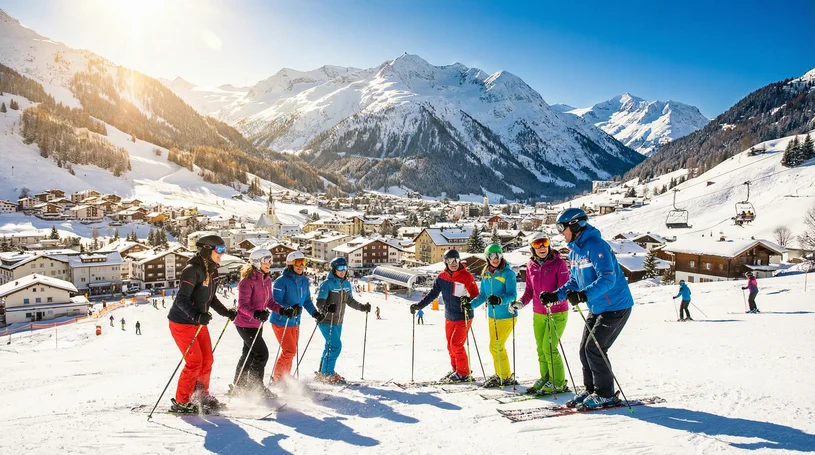
Welcome to St. Anton am Arlberg, the jewel of the Austrian Alps and a resort that holds a legendary status among skiers and snowboarders worldwide. Nestled in the heart of the Tyrolean Alps, St. Anton is not just a ski resort; it's a vibrant, bustling village with a rich history that claims to be the very cradle of modern skiing. With its challenging slopes, extensive off-piste terrain, and a lively après-ski scene, St. Anton offers an unforgettable experience for every type of winter sports enthusiast. Whether you're a seasoned pro looking to conquer some of the most demanding runs in Europe or a complete beginner eager to make your first turns, St. Anton has something for you.
This comprehensive guide will walk you through everything you need to know about planning your ski trip to St. Anton. From the best ski schools and lessons to the most suitable slopes for your ability level, we've got you covered. We'll also delve into how to get there, where to stay, and what to do when you're not on the slopes. So, grab a hot chocolate, get comfortable, and let's explore the winter wonderland that is St. Anton. For those looking to explore more of what Austria has to offer, be sure to check out our Skiing in Austria: The Complete Guide to Austrian Ski Resorts.
St. Anton's reputation as a world-class ski destination is well-deserved. As part of the immense Ski Arlberg area, it boasts access to over 300 kilometres of pistes and 200 kilometres of off-piste itineraries, making it one of the largest and most varied ski areas in the world. The resort is also renowned for its excellent snow record, ensuring fantastic conditions throughout the season. But St. Anton is more than just a place to ski; it's a place to experience the authentic Austrian alpine culture, enjoy the stunning mountain scenery, and create memories that will last a lifetime. If you're considering other top European destinations, you might find our guide to The Best Ski Resorts for Beginners in Europe a useful resource.
Resort Overview
St. Anton is a resort of impressive statistics, a testament to its scale and quality. Here’s a look at the key numbers that make it a top-tier destination:
- Altitude: The village of St. Anton sits at a respectable 1,304 metres, with the highest skiable point reaching a dizzying 2,811 metres. This significant vertical drop of 1,507 metres ensures long, satisfying runs and reliable snow cover.
- Piste Kilometres: As part of the Ski Arlberg area, skiers have access to a colossal 300 kilometres of marked pistes. This is broken down into approximately 130km of blue runs, 123km of red runs, and 51km of black runs, offering a balanced mix for all abilities.
- Number of Lifts: An impressive 85 modern and efficient lifts, including high-speed gondolas and chairlifts, whisk you up the mountain, minimising queue times and maximising your time on the snow.
- Snow Record: St. Anton is blessed with an average of seven metres of snowfall annually, making it one of Austria's most snow-sure resorts. This, combined with its high altitude, means you can expect excellent conditions from early winter to late spring.
- Season Dates: The winter season in St. Anton typically runs from early December to late April, with the 2025/2026 season scheduled from December 3rd, 2025, to April 19th, 2026. For those planning ahead, it's worth keeping an eye on the Ski Pass Prices in Europe: A Complete Guide for 2026.
Ski Schools and Lessons
St. Anton is home to some of the world's most prestigious ski schools, with a long and storied history of ski instruction. Whether you're a complete novice or an expert looking to refine your technique, you'll find a lesson to suit your needs. The main ski schools in the area include the Skischule Arlberg, Skischule St. Anton, and a host of smaller, independent schools and private instructors.
Types of Lessons:
- Group Lessons: These are a great way to learn in a sociable environment and are typically more affordable than private lessons. Group sizes can vary, but most schools aim to keep them small to ensure personalised attention. A week of group lessons will typically cost between €250 and €350.
- Private Lessons: For those who prefer one-on-one instruction, private lessons offer a tailored experience that can accelerate your learning. Prices for private lessons vary depending on the instructor's experience and the duration of the lesson, but you can expect to pay anywhere from €70 to €100 per hour. A full day's private instruction can cost upwards of €500.
- Kids' Lessons: St. Anton is a fantastic place for children to learn to ski, with dedicated kids' areas and specially trained instructors. The ski schools offer a range of fun and engaging lessons for children of all ages, from toddlers to teenagers. Many schools also offer lunch and supervision, giving parents the freedom to explore the mountain.
For those considering a trip to other Austrian resorts, our guides to Ski Schools in Kitzbuhel and Ski Schools in Lech-Zurs provide a wealth of information on the best lessons and instructors available.
Best Slopes for Each Level
St. Anton's vast and varied terrain offers something for everyone, from gentle nursery slopes to heart-pumping off-piste adventures. Here’s a breakdown of the best areas for each ability level:
- Beginners: While St. Anton has a reputation for being a challenging resort, there are several excellent areas for beginners. The Nasserein and Gampen areas, located at the eastern end of the village, offer gentle, wide-open slopes that are perfect for learning. The Rendl ski area, on the opposite side of the valley, also has some good beginner-friendly terrain.
- Intermediates: Intermediate skiers will be in their element in St. Anton, with a huge choice of red and blue runs to explore. The Galzig and Gampen areas offer a fantastic network of cruisey blues and challenging reds, while the runs down from the Kapall are perfect for clocking up the miles. For a change of scenery, head over to the Rendl area, which is often quieter and has some great intermediate terrain.
- Advanced/Experts: St. Anton is a paradise for advanced and expert skiers, with some of the most challenging terrain in the Alps. The Valluga, with its steep, ungroomed itineraries, is a must-do for any expert skier. The Schindlerkar and Mattun runs are also legendary, offering steep, moguled challenges that will test the most experienced skiers. For those looking to venture off-piste, St. Anton is a freeride mecca, with endless opportunities for powder skiing. It's highly recommended to hire a guide to explore the off-piste safely. For those looking to explore other challenging resorts, our guide to Ski Schools in Ischgl might be of interest.
Getting There
St. Anton is surprisingly easy to get to, despite its mountain location. Here are the most common ways to reach the resort:
- By Air: The nearest airport to St. Anton is Innsbruck (INN), which is approximately 100 kilometres away and takes around 75 minutes by car. Other nearby airports include Friedrichshafen (FDH) (130km), Zurich (ZRH) (200km), and Munich (MUC) (300km). All of these airports have regular flights from major European cities and offer a range of transfer options to St. Anton.
- By Train: St. Anton has its own train station, which is located in the centre of the village. The station is on the main line between Zurich and Vienna, making it easily accessible by train from all over Europe. The train journey from Innsbruck to St. Anton takes just over an hour and offers stunning views of the Tyrolean Alps.
- By Car: If you're driving to St. Anton, the resort is easily accessible via the A12/S16 motorway. From the west, take the St. Anton am Arlberg exit, and from the east, take the Landeck exit. The journey from Innsbruck takes around 75 minutes, while the drive from Zurich takes approximately two and a half hours. It's important to note that winter tyres are compulsory in Austria during the winter months, and you may also need snow chains, especially after heavy snowfall.
Where to Stay
St. Anton offers a wide range of accommodation to suit all budgets and preferences, from luxury hotels and catered chalets to more affordable guesthouses and self-catered apartments. The main areas to stay are:
- St. Anton Village: The heart of the action, the village centre is where you'll find the majority of hotels, restaurants, and bars. Staying in the village gives you easy access to the main lifts and the lively après-ski scene.
- Nasserein: Located at the eastern end of the village, Nasserein is a quieter, more family-friendly area with its own gondola and a good selection of hotels and apartments. It's a great choice for those who want to be close to the slopes but away from the hustle and bustle of the main village.
- St. Christoph: A small, exclusive hamlet located at the top of the Arlberg pass, St. Christoph offers a handful of luxury hotels and a tranquil, high-altitude setting. It's the perfect choice for those looking for a peaceful and luxurious ski holiday.
- Stuben: A charming, traditional village on the other side of the Arlberg pass, Stuben offers a more authentic and laid-back atmosphere. It has its own ski area and is well-connected to the rest of the Arlberg, making it a great base for exploring the entire region.
For those looking for a different Austrian experience, our guide to Ski Schools in Mayrhofen provides an insight into another of Austria's top resorts.
Apres-Ski and Off-Piste Activities
St. Anton is as famous for its lively après-ski scene as it is for its challenging slopes. The party starts on the mountain in the afternoon and continues late into the night in the village. The most famous après-ski bars are the MooserWirt and the Krazy Kanguruh, both located on the slopes just above the village. These legendary bars are a must-visit for anyone looking to experience the true spirit of St. Anton's après-ski.
For those looking for a more relaxed evening, the village has a wide range of restaurants and bars to suit all tastes and budgets. From traditional Austrian cuisine to international dishes, you'll find something to satisfy your cravings. Some of the most popular restaurants include the Galzig Bistrobar, Hazienda, and the Verwallstube, which is one of the highest-altitude fine-dining restaurants in Europe.
When you're not on the slopes, there are plenty of other activities to keep you entertained. The Arlberg WellCom centre offers a range of wellness facilities, including swimming pools, saunas, and a fitness studio. Other off-piste activities include tobogganing, ice skating, winter hiking, and horse-drawn sleigh rides. For the more adventurous, there's also the option of paragliding or taking a helicopter tour of the Arlberg.
Tips for Visiting St. Anton
- Book in advance: St. Anton is a popular resort, so it's a good idea to book your accommodation, ski lessons, and transfers well in advance, especially if you're travelling during peak season.
- Get the Arlberg ski pass: The Arlberg ski pass gives you access to the entire Ski Arlberg area, including the resorts of Lech, Zürs, Stuben, and Warth-Schröcken. It's well worth the investment, as it gives you a huge amount of terrain to explore.
- Don't underestimate the slopes: St. Anton has a reputation for being a challenging resort for a reason. The blue runs here can be more challenging than red runs in other resorts, so it's important to be honest about your ability level.
- Hire a guide for off-piste: If you're planning on skiing off-piste, it's highly recommended to hire a guide. They will be able to find the best snow and ensure that you stay safe.
- Pace yourself at après-ski: The après-ski in St. Anton is legendary, but it's important to pace yourself. The combination of high altitude and alcohol can be a potent mix, so be sure to drink plenty of water and don't overdo it.
Frequently Asked Questions
Is St. Anton good for beginners?
While St. Anton is known for its challenging terrain, there are several good areas for beginners, particularly in the Nasserein and Gampen areas. However, it's fair to say that it's not the most beginner-friendly resort in the Alps. For a more gentle introduction to skiing, you might want to consider a resort like Kitzbuhel.
How expensive is St. Anton?
St. Anton is one of the more expensive resorts in Austria, but it's still possible to visit on a budget. There are plenty of affordable accommodation options, and the supermarkets are reasonably priced. To save money, consider travelling outside of peak season and booking your accommodation and ski pass in advance.
What is the best time to visit St. Anton?
The best time to visit St. Anton depends on what you're looking for. For the best snow conditions, January and February are usually the most reliable months. For warmer weather and longer days, March and April are a great choice. The resort is busiest during the Christmas, New Year, and February half-term holidays, so if you're looking to avoid the crowds, it's best to travel outside of these times.
Ready to experience the thrill of skiing in St. Anton? At findaskischool.com, we make it easy to find and book the perfect ski school for your trip. Whether you're a complete beginner or an experienced pro, we have a wide range of lessons and instructors to suit your needs. So what are you waiting for? Book your St. Anton ski adventure today!
Find your ski school
Compare schools and instructors in resorts around the world — no booking fees, ever.