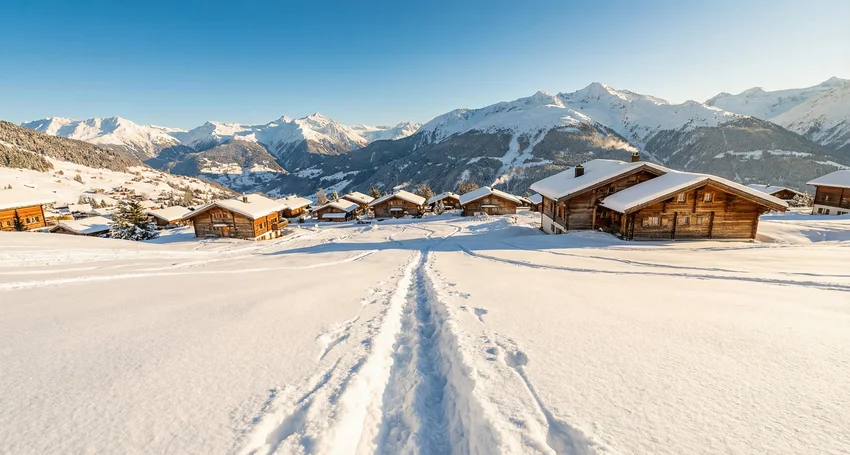
Switzerland, the very name conjures images of towering, snow-dusted peaks, charming alpine villages, and a winter wonderland that has captivated skiers and snowboarders for generations. It’s a country where skiing is not just a sport, but a way of life, deeply woven into the national identity. From the iconic Matterhorn to the glamorous slopes of St. Moritz, Switzerland offers a skiing experience that is as diverse as it is breathtaking. Whether you're a seasoned expert seeking thrilling off-piste adventures or a family looking for gentle nursery slopes, the Swiss Alps provide a picture-perfect backdrop for an unforgettable ski holiday.
With over 200 ski resorts, Switzerland boasts an incredible variety of terrain, from high-altitude glaciers offering year-round skiing to vast, interconnected ski areas with hundreds of kilometres of pistes. The country’s reputation for efficiency and quality extends to its ski infrastructure, with modern lifts, perfectly groomed slopes, and a public transport system that makes accessing the mountains a breeze. But skiing in Switzerland is about more than just the slopes. It’s about savouring the cosy atmosphere of a traditional mountain restaurant, indulging in a delicious cheese fondue after a long day on the mountain, and soaking up the stunning scenery that surrounds you at every turn.
This guide will be your trusted companion to skiing in Switzerland. We’ll explore the country’s top ski resorts, from world-renowned destinations to hidden gems. We’ll delve into the Swiss ski school system, helping you find the perfect lessons to improve your skills. We’ll provide practical advice on the best time to visit, how to get there, and how to budget for your trip. And we’ll share some insider tips to help you make the most of your Swiss ski adventure. So, grab your skis or snowboard, and let’s explore the magnificent world of skiing in Switzerland.
Why Ski in Switzerland?
Switzerland’s reputation as a premier ski destination is well-deserved. The country offers a unique combination of factors that make it a dream destination for skiers and snowboarders of all levels. The sheer scale and beauty of the Swiss Alps are, of course, a major draw. With 48 peaks over 4,000 metres, the scenery is nothing short of spectacular. Imagine carving down a pristine piste with the iconic Matterhorn in your sights, or enjoying a panoramic view of the Aletsch Glacier, the largest in the Alps. This is the kind of awe-inspiring beauty that awaits you in Switzerland.
But it’s not just about the views. The quality of the skiing is exceptional. Swiss ski resorts are renowned for their reliable snow cover, thanks to their high altitude. Many resorts offer glacier skiing, ensuring that you can hit the slopes from autumn right through to late spring. The pistes are meticulously groomed, and the lift systems are among the most modern and efficient in the world. This means less time queuing and more time skiing. For those who crave adventure, Switzerland offers some of the most challenging and rewarding off-piste terrain in the world, from the legendary freeride routes of Verbier to the untouched powder fields of Andermatt.
Beyond the slopes, Switzerland offers a rich and vibrant alpine culture. The mountain villages are a delightful blend of traditional charm and modern sophistication. You’ll find cosy wooden chalets adorned with festive lights, bustling village squares with lively markets, and a warm and welcoming atmosphere. The Swiss are also masters of hospitality, and the country’s mountain restaurants are a testament to this. From rustic huts serving hearty local specialities to Michelin-starred restaurants offering gourmet dining experiences, there’s something to suit every taste and budget. And let’s not forget the après-ski scene. Whether you prefer a quiet drink by a roaring fire or a lively party that goes on late into the night, you’ll find it in Switzerland.
Finally, while Switzerland has a reputation for being expensive, it can also offer good value for money, especially if you plan your trip carefully. Many resorts offer all-inclusive packages that can help you save on accommodation, lift passes, and equipment rental. The public transport system is so efficient that you can often save money by staying in a smaller, less expensive village and taking a short train or bus ride to the main ski area. And when you consider the quality of the experience – the stunning scenery, the world-class skiing, and the unique alpine culture – a ski trip to Switzerland is an investment in memories that will last a lifetime.
Top Ski Resorts in Switzerland
Zermatt
Zermatt is, without a doubt, the jewel in the crown of Swiss skiing. Nestled at the foot of the iconic Matterhorn, this world-famous resort offers a skiing experience that is simply unparalleled. With a ski area that spans both Switzerland and Italy, Zermatt boasts an incredible 360 kilometres of pistes, served by a network of 54 state-of-the-art lifts. The resort’s high altitude, with slopes reaching up to 3,883 metres, guarantees snow-sure conditions throughout the season, and even offers year-round skiing on the Theodul Glacier.
Zermatt is a paradise for intermediate and advanced skiers, with a vast array of long, cruising red runs and challenging black pistes. The resort is also a mecca for off-piste enthusiasts, with countless opportunities for freeride adventures in the shadow of the Matterhorn. For those looking to hone their skills, Zermatt has a wide range of ski schools offering expert tuition for all ages and abilities. You can find out more and book your lessons through our Ski Schools in Zermatt: A Complete Guide to Lessons & Instructors.
The village of Zermatt itself is a car-free haven of traditional wooden chalets, luxury hotels, and gourmet restaurants. The atmosphere is both sophisticated and charming, with a lively après-ski scene that caters to all tastes. Whether you’re enjoying a glass of champagne at a stylish cocktail bar or a traditional Swiss fondue in a cosy mountain restaurant, Zermatt offers an unforgettable alpine experience. The resort is also a fantastic destination for non-skiers, with a wide range of activities on offer, from winter hiking and snowshoeing to ice skating and curling.
Verbier
Verbier is a name that resonates with skiers and snowboarders around the world, and for good reason. As the gateway to the magnificent 4 Vallées ski area, Verbier offers access to an incredible 410 kilometres of pistes, making it one of the largest ski domains in Europe. This vast and varied terrain, combined with a legendary off-piste offering, has firmly established Verbier as a must-visit destination for serious skiers and snowboarders.
The resort is particularly famous for its challenging itinerary runs, such as the legendary Tortin and Mont Fort, which offer some of the most exhilarating and demanding skiing in the Alps. But Verbier is not just for experts. The resort also has a wide range of blue and red runs, making it a great destination for intermediates looking to explore a vast and varied ski area. For those new to the sport, the nursery slopes of Les Esserts provide a gentle and sunny introduction to skiing. To find the perfect instructor to guide you through this incredible ski area, check out our Ski Schools in Verbier: A Complete Guide to Lessons & Instructors.
Verbier’s village has a vibrant and cosmopolitan atmosphere, with a wide range of shops, bars, and restaurants to suit all tastes and budgets. The après-ski scene is legendary, with iconic venues such as the Farinet and Le Rouge attracting a lively and international crowd. But Verbier also has a quieter side, with charming and traditional restaurants where you can enjoy a delicious meal and a glass of local wine. The resort also offers a wide range of non-skiing activities, from paragliding and ice climbing to relaxing in one of the many luxurious spas.
St. Moritz
St. Moritz is the epitome of glamour and sophistication in the Swiss Alps. As the birthplace of winter tourism, this legendary resort has been attracting a discerning clientele for over 150 years. But St. Moritz is more than just a playground for the rich and famous; it’s also a world-class ski destination with a vast and varied terrain that caters to all levels of ability. The resort is spread across three main ski areas – Corviglia, Corvatsch, and Diavolezza/Lagalb – offering a total of 350 kilometres of pistes.
Corviglia, the main ski area, is a paradise for intermediate skiers, with wide, sun-drenched slopes that are perfect for cruising. It’s also home to the legendary ‘White Carpet’, a freshly groomed piste that is opened every morning at 7:45 am for the first skiers of the day. For more advanced skiers, the Corvatsch and Diavolezza/Lagalb areas offer more challenging terrain, including steep black runs and thrilling off-piste descents. To make the most of this extensive ski area, consider hiring a guide or instructor from one of the many excellent ski schools. You can find more information and book your lessons through our Ski Schools in St. Moritz: A Complete Guide to Lessons & Instructors.
St. Moritz is as famous for its off-slope activities as it is for its skiing. The frozen lake is the setting for a variety of unique events, including horse racing, polo, and cricket on ice. The village itself is a hub of luxury, with designer boutiques, art galleries, and Michelin-starred restaurants. The après-ski scene is more refined than in other resorts, with stylish cocktail bars and elegant lounges being the order of the day. But St. Moritz also has a more traditional side, with cosy and welcoming restaurants where you can enjoy a delicious Engadin-style meal.
Davos-Klosters
Davos-Klosters is a sprawling winter playground that offers something for everyone. As one of the largest and most diverse ski regions in the Alps, it comprises six distinct ski areas with a combined total of 300 kilometres of pistes. From the wide-open slopes of Parsenn to the freestyle paradise of Jakobshorn, Davos-Klosters caters to all tastes and abilities. The region is also renowned for its extensive network of cross-country ski trails, making it a popular destination for Nordic skiing enthusiasts.
The Parsenn ski area, which links Davos and Klosters, is the heart of the region. It offers long, cruising runs that are perfect for intermediates, as well as some more challenging terrain for advanced skiers. Jakobshorn, on the other hand, is a mecca for freestylers and snowboarders, with a world-class snowpark and a lively, youthful atmosphere. For families and beginners, the smaller ski areas of Rinerhorn and Madrisa offer gentle slopes and a relaxed, family-friendly environment. To find the best instruction across this vast region, be sure to check out our Ski Schools in Davos-Klosters: A Complete Guide to Lessons & Instructors.
Davos, the highest town in Europe, is a bustling urban centre with a wide range of shops, restaurants, and cultural attractions. It’s also famous for hosting the annual World Economic Forum. Klosters, by contrast, is a more traditional and charming alpine village, with a relaxed and sophisticated atmosphere. The two resorts are linked by an efficient train service, making it easy to explore the entire region. With its vast and varied terrain, lively towns, and stunning scenery, Davos-Klosters is a true all-rounder that offers a complete winter holiday experience.
Wengen-Grindelwald
The Jungfrau region, home to the charming villages of Wengen and Grindelwald, is a place of breathtaking beauty. With the iconic peaks of the Eiger, Mönch, and Jungfrau providing a stunning backdrop, this is a ski area that will capture your heart and soul. The Grindelwald-Wengen ski area offers 103 kilometres of pistes, with a great mix of terrain for all abilities. The area is particularly well-suited to intermediates, with a fantastic selection of long, cruising red runs.
The car-free village of Wengen is a haven of peace and tranquillity, perched on a sunny plateau above the Lauterbrunnen valley. It’s a traditional and charming village, with a relaxed and family-friendly atmosphere. Grindelwald, on the other hand, is a larger and more bustling village, with a wider range of shops, restaurants, and activities. Both villages offer easy access to the ski area, which is served by a network of modern lifts and mountain railways. For expert tuition in this stunning setting, you can find a range of options in our Ski Schools in Wengen-Grindelwald: A Complete Guide to Lessons & Instructors.
One of the highlights of the Jungfrau region is the journey up to the Jungfraujoch – Top of Europe, the highest railway station in Europe. From here, you can enjoy breathtaking views of the Aletsch Glacier and the surrounding peaks. The region is also home to the world-famous Lauberhorn downhill race, one of the most challenging and prestigious races on the World Cup circuit. Whether you’re a seasoned expert or a family looking for a memorable ski holiday, the Jungfrau region offers a truly magical experience.
Saas-Fee
Known as the ‘Pearl of the Alps’, Saas-Fee is a charming and traditional village nestled in a stunning high-alpine setting. Surrounded by 13 four-thousand-metre peaks, including the majestic Dom, the highest mountain entirely within Switzerland, Saas-Fee offers a truly breathtaking backdrop for a ski holiday. The resort’s high altitude and glacier ski area ensure reliable snow cover from November right through to late April, making it one of the most snow-sure resorts in the Alps.
Saas-Fee offers 100 kilometres of pistes, with a good mix of terrain for all abilities. The majority of the slopes are wide, cruising red and blue runs, making it a great destination for intermediates. For advanced skiers, there are some challenging black runs and some fantastic off-piste opportunities. The resort is also a popular destination for freestyle skiers and snowboarders, with a well-equipped snowpark that is open in both winter and summer. To get the most out of your time in this alpine paradise, consider booking lessons with one of the resort’s excellent ski schools. You can find more information and book your lessons through our Ski Schools in Saas-Fee: A Complete Guide to Lessons & Instructors.
The car-free village of Saas-Fee has a relaxed and friendly atmosphere, with a great selection of shops, bars, and restaurants. The village has retained its traditional charm, with narrow streets and old wooden chalets. The après-ski scene is lively but not as raucous as in some of the larger resorts, with a good choice of bars and pubs for a post-ski drink. Saas-Fee is also a great destination for non-skiers, with a wide range of activities on offer, including winter hiking, snowshoeing, and tobogganing.
Crans-Montana
Crans-Montana is a tale of two towns, Crans and Montana, which have merged to create a vibrant and cosmopolitan resort. Perched on a sunny plateau high above the Rhone Valley, Crans-Montana offers breathtaking panoramic views of the surrounding peaks, from the Matterhorn to Mont Blanc. The resort is renowned for its sunny climate and its chic, sophisticated atmosphere, attracting a stylish and international clientele.
The ski area offers 140 kilometres of south-facing pistes, with a great mix of terrain for all abilities. The majority of the slopes are wide, cruising red and blue runs, making it a perfect destination for intermediates. For advanced skiers, the Plaine Morte glacier offers some challenging off-piste terrain and stunning views. The resort is also home to one of the best snowparks in the Alps, with a wide range of features for all levels of freestyle skier and snowboarder. To find the best instructors to help you explore this sunny paradise, check out our Ski Schools in Crans-Montana: A Complete Guide to Lessons & Instructors.
Crans-Montana is a resort that is as much about the lifestyle as it is about the skiing. The town is a shopper’s paradise, with a huge selection of designer boutiques, luxury watchmakers, and art galleries. The dining scene is equally impressive, with a wide range of restaurants to suit all tastes and budgets, from cosy mountain huts to Michelin-starred establishments. The après-ski scene is lively and sophisticated, with a great selection of bars and clubs. Crans-Montana also hosts a number of high-profile events throughout the winter, including the World Cup ski races and the Caprices Festival.
Engelberg
Engelberg is a resort that offers the best of both worlds: a charming and traditional village, and a world-class ski area that is renowned for its challenging off-piste terrain. Located in central Switzerland, Engelberg is easily accessible from Zurich and Lucerne, making it a popular choice for weekend trips. The resort is dominated by the mighty Mount Titlis, which at 3,238 metres, offers a huge vertical drop and some of the most reliable snow in the Alps.
The ski area is split into two distinct zones. The Titlis side is a paradise for advanced and expert skiers, with a huge variety of off-piste routes and challenging black runs. The famous Laub and Galtiberg runs are legendary among freeride enthusiasts, offering long and exhilarating descents. The Brunni side, on the other hand, is a sunny and gentle area that is perfect for families and beginners. To find an instructor who can help you tackle the steeps of Titlis or guide you on your first turns on Brunni, check out our Ski Schools in Engelberg: A Complete Guide to Lessons & Instructors.
Engelberg itself is a charming and lively village with a rich history. The village is home to a beautiful Benedictine monastery, which has been a centre of learning and culture for centuries. The village has a good selection of shops, bars, and restaurants, with a lively and unpretentious après-ski scene. Engelberg is a resort that has a raw and authentic feel, and it’s a place that will appeal to those who are passionate about skiing and the mountains.
Laax
Laax has firmly established itself as Europe's premier freestyle resort, a vibrant and innovative destination that is a mecca for snowboarders and freestyle skiers from around the globe. With four world-class snowparks, the world's largest halfpipe, and an indoor freestyle academy, Laax is a playground for those who like to get creative on the snow. The resort has a youthful and energetic vibe, with a laid-back, surf-inspired culture that sets it apart from the more traditional Swiss resorts.
But Laax is not just for freestylers. The resort is part of the larger Flims-Laax-Falera ski area, which offers 224 kilometres of pistes to suit all abilities. The majority of the slopes are wide, cruising blue and red runs, making it a great destination for intermediates and families. The resort also has some excellent off-piste terrain, particularly around the Vorab Glacier. To find an instructor who can help you master the park or explore the backcountry, check out our Ski Schools in Laax: A Complete Guide to Lessons & Instructors.
The resort has a modern and innovative feel, with a strong focus on sustainability and environmental protection. The base area at Laax is a stylish and contemporary complex, with a great selection of shops, bars, and restaurants. The après-ski scene is lively and varied, with everything from chilled-out bars to full-on nightclubs. Laax is a resort that is constantly pushing the boundaries, and it’s a place that will appeal to those who are looking for a modern and dynamic ski experience.
Andermatt
Andermatt has undergone a remarkable transformation in recent years, evolving from a quiet, traditional village into a world-class ski destination. Located at the crossroads of three major mountain passes, Andermatt has long been a magnet for serious skiers, drawn by its legendary off-piste terrain and exceptional snow record. The recent development of the Andermatt-Sedrun-Disentis ski area has created a vast and varied winter playground, with 180 kilometres of pistes and 33 lifts.
The ski area is split into two main zones. The Gemsstock is a freerider’s paradise, with steep, north-facing slopes that hold their snow well into the spring. The Nätschen-Gütsch-Schneehüenerstock area, on the other hand, offers a great selection of sunny, cruising runs that are perfect for intermediates and families. The link to Sedrun and Disentis has opened up a huge amount of new terrain, making this one of the most exciting and dynamic ski areas in the Alps. To find an instructor who can help you conquer the Gemsstock or explore the wider ski area, check out our Ski Schools in Andermatt: A Complete Guide to Lessons & Instructors.
Andermatt has a unique blend of old and new. The traditional village centre has retained its charm, with old wooden chalets and a peaceful atmosphere. The new development, on the other hand, is a showcase of modern alpine architecture, with luxury hotels, stylish apartments, and a world-class concert hall. This combination of tradition and modernity gives Andermatt a unique and appealing character. It’s a resort that is on the up, and it’s a place that is sure to impress even the most discerning of skiers. x000D## Ski Schools and Lessons in Switzerland_x000D__x000D_Switzerland has a long and proud tradition of ski instruction, and the country is home to some of the best ski schools in the world. The Swiss Ski School system is renowned for its high standards and its rigorous instructor training programme. Whether you're a complete beginner or an experienced skier looking to refine your technique, you'll find a wide range of courses and lessons to suit your needs._x000D__x000D_Swiss ski instructors are highly qualified and experienced. To become a fully certified instructor, they must complete a demanding training and examination process that covers all aspects of skiing, from technique and teaching methodology to safety and mountain awareness. Many instructors are also multilingual, with English being widely spoken in all the major resorts. This means you can be confident that you will receive clear and effective instruction, regardless of your native language._x000D__x000D_The cost of ski lessons in Switzerland can vary depending on the resort and the type of lesson you choose. Group lessons are generally the most affordable option, with prices typically starting from around CHF 250 for a week of half-day lessons. Private lessons are more expensive, with prices ranging from CHF 70 to CHF 120 per hour, but they offer the benefit of one-on-one tuition that is tailored to your specific needs and goals. Many ski schools also offer a range of specialised courses, such as off-piste guiding, freestyle coaching, and children's ski camps.x000D__x000D## Best Time to Visit_x000D__x000D_The ski season in Switzerland typically runs from late November to late April, although the exact dates can vary depending on the altitude of the resort and the snow conditions. The high-altitude resorts, such as Zermatt and Saas-Fee, often have a longer season, with skiing possible from October right through to May. Some resorts even offer year-round skiing on their glaciers._x000D__x000D_The peak season in Switzerland is during the Christmas and New Year holidays, and during the month of February. This is when the resorts are at their busiest and prices are at their highest. If you're looking for a quieter and more affordable ski holiday, consider visiting in January or March. The snow conditions are generally excellent during these months, and the slopes are much less crowded._x000D__x000D_April can also be a great time to ski in Switzerland, especially in the higher resorts. The days are longer and sunnier, and you can often enjoy some fantastic spring skiing conditions. It's also a great time to take advantage of some late-season deals on accommodation and lift passes.x000D__x000D## Getting There_x000D__x000D_Switzerland is easily accessible from all over the world, with major international airports in Zurich, Geneva, and Basel. From the airport, you can take advantage of the country's incredibly efficient public transport system to reach your chosen ski resort. The Swiss Travel System offers a range of passes that allow you to travel by train, bus, and boat throughout the country. The train journeys themselves are often a highlight of the trip, with stunning scenery to enjoy along the way._x000D__x000D_Many of the major ski resorts are also within easy driving distance of the main airports. However, it's important to be aware that some of the higher resorts are car-free, so you will need to park your car in a nearby town and take a train or cable car up to the resort. It's also essential to have winter tyres and snow chains if you are driving in the mountains during the winter.x000D__x000D## Budget Guide_x000D__x000D_Switzerland has a reputation for being an expensive country, and a ski holiday here can certainly be a significant investment. However, with careful planning, it is possible to enjoy a Swiss ski holiday without breaking the bank.x000D__x000D_Lift passes are one of the biggest expenses, with a six-day pass for a major resort typically costing between CHF 350 and CHF 450. For a more detailed breakdown, check out our guide to Ski Pass Prices in Europe: A Complete Guide for 2026. Accommodation costs can also vary widely, from budget-friendly apartments and hostels to luxurious five-star hotels. Eating out can be expensive, but you can save money by self-catering or by eating in some of the more casual restaurants and mountain huts. Ski lessons and equipment rental will also add to your budget, so it's a good idea to shop around for the best deals.x000D__x000D_To save money, consider visiting during the off-peak season, staying in a smaller, less well-known resort, or booking an all-inclusive package that includes your accommodation, lift pass, and meals. You can also save money by taking advantage of the excellent public transport system instead of hiring a car.x000D__x000D## Tips for Skiing in Switzerland_x000D__x000D* Embrace the public transport: The Swiss public transport system is second to none. It's efficient, reliable, and a great way to travel between resorts and explore the surrounding area.x000D* Learn a few words of the local language: Switzerland has four official languages: German, French, Italian, and Romansh. While English is widely spoken in the tourist areas, learning a few basic phrases in the local language will be greatly appreciated.x000D* Don't forget your sun cream: The sun can be incredibly strong in the mountains, even on a cloudy day. Make sure you pack a high-factor sun cream and a good pair of sunglasses.x000D* Try the local cuisine: Switzerland has a rich and varied culinary tradition. Be sure to try some of the local specialities, such as cheese fondue, raclette, and rösti.x000D* Respect the mountain: The mountains can be a dangerous environment. Always ski within your limits, be aware of the avalanche risk, and follow the advice of the local authorities.x000D__x000D## Frequently Asked Questions_x000D__x000D### Is Switzerland a good place for beginner skiers?_x000D__x000D_Yes, Switzerland is a great destination for beginners. Many resorts have excellent nursery slopes and a wide range of gentle blue runs, making them some of The Best Ski Resorts for Beginners in Europe. The Swiss ski schools are also renowned for their high-quality instruction. Some of the best resorts for beginners include Wengen, Grindelwald, and Saas-Fee.x000D__x000D### What is the most famous ski resort in Switzerland?_x000D__x000D_Zermatt is arguably the most famous ski resort in Switzerland. It's home to the iconic Matterhorn and offers a vast and varied ski area. St. Moritz is another world-famous resort, known for its glamour and sophistication.x000D__x000D### How expensive is it to ski in Switzerland?_x000D__x000D_Switzerland can be an expensive country to ski in, but it is possible to do it on a budget. To save money, consider visiting during the off-peak season, staying in a smaller resort, and self-catering. You can also find some great deals on all-inclusive packages.x000D__x000D### What is the best way to get to the Swiss ski resorts?_x000D__x000D_The best way to get to the Swiss ski resorts is by public transport. The Swiss train system is incredibly efficient and will take you from the airport to your chosen resort with ease. Many resorts are also car-free, so taking the train is often the most convenient option.x000D__x000D### Do I need to speak German, French, or Italian to ski in Switzerland?_x000D__x000D_No, you don't need to be fluent in the local language to ski in Switzerland. English is widely spoken in all the major resorts, and you will have no problem communicating with ski instructors, hotel staff, and restaurant workers._x000D__x000D_Ready to hit the slopes in Switzerland? Find a Ski School and book the best instructors in the country. With our easy-to-use platform, you can compare prices, read reviews, and book your lessons in just a few clicks. Start planning your Swiss ski adventure today!x000D
Find your ski school
Compare schools and instructors in resorts around the world — no booking fees, ever.