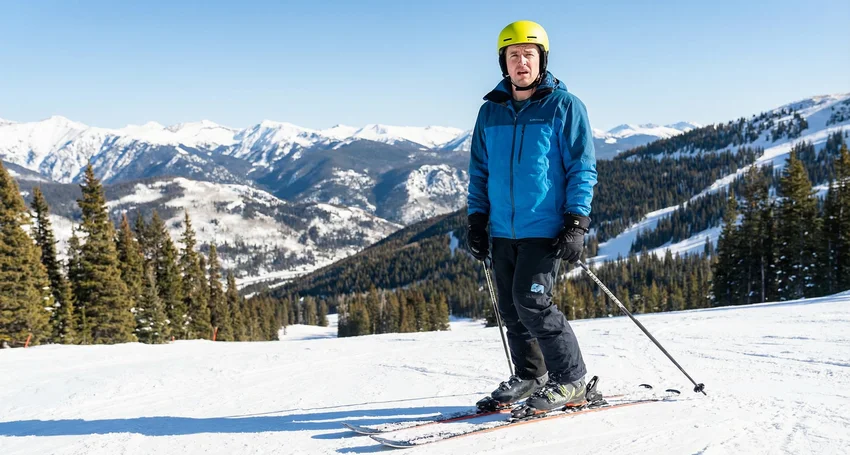
That first glimpse of a snow-covered mountain, with skiers gracefully carving their way down, is a sight to behold. It’s a moment that often sparks a desire to experience that same freedom and exhilaration. But let's be honest, the thought of strapping two planks of wood to your feet and sliding down a slippery slope can be as terrifying as it is exciting. As an experienced ski instructor, I’ve seen it all: the nerves, the excitement, and the sheer joy on a beginner's face when they finally 'get it'. I’ve also heard countless people say, “I wish I’d known that before I started!”
Skiing is one of the most rewarding sports you can learn, offering a unique blend of adrenaline, stunning scenery, and a great physical workout. However, a little bit of insider knowledge can go a long way in transforming your first experience from a daunting challenge into an unforgettable adventure. It’s not just about having the right gear or knowing how to stop; it’s about understanding the culture of the mountain, managing your expectations, and preparing both your body and mind for the experience. A positive first impression is crucial, as it can be the difference between a one-time attempt and a lifelong passion.
This guide is born from years of teaching and listening to first-time skiers. We're going to cover the five most common things that beginners wish they had known before their first day on the slopes. Think of this as your friendly pre-ski briefing, packed with practical advice to help you avoid the common pitfalls and make the most of every moment. From the importance of professional guidance to the surprising physical demands, we’ll cover the essentials to ensure you start your skiing journey with confidence and a smile. So, let’s dive in and get you ready for the mountain.
1. Your Gear Can Make or Break Your Day
It’s tempting to think that any warm clothes and a borrowed pair of skis will do for your first time, but the right gear is fundamental to your comfort, safety, and overall enjoyment. Ill-fitting boots can cause excruciating pain and a lack of control, while the wrong skis can make learning unnecessarily difficult. Don't underestimate the importance of properly fitted equipment. Your boots are the most critical part of your setup; they are your direct connection to your skis. They should be snug but not painful, holding your heel firmly in place. If you're unsure, our guide on How to Choose the Right Ski Boots: A Fitting Guide is an excellent resource to consult before you even think about hitting the rental shop.
Beyond boots and skis, what you wear is just as important. Layering is key. You’ll want a base layer that wicks moisture away from your skin, a mid-layer for insulation (like a fleece), and a waterproof and windproof outer layer (ski jacket and trousers). Avoid cotton, as it holds moisture and will make you cold once you start to sweat. Goggles are essential for protecting your eyes from the sun, wind, and snow, and a helmet is a non-negotiable for safety. Gloves or mittens, and a good pair of ski socks, will keep your extremities warm and comfortable. Renting your skis, boots, and helmet is a great option for your first time, as the rental technicians will ensure you have the right size and type of equipment for your ability level.
2. Professional Lessons Are an Investment, Not an Expense
Many beginners think they can save a bit of money by having a friend or family member teach them, or even by trying to figure it out on their own. While the intention is good, this is often a recipe for frustration, bad habits, and even injury. A professional ski instructor is trained to teach you the correct techniques in a safe and structured way. They know how to break down the movements into simple, understandable steps and can provide instant feedback to correct your form. This is something that even an experienced skier friend may not be able to do effectively.
So, How Many Ski Lessons Does a Beginner Need? It varies from person to person, but a series of lessons is always recommended to build a solid foundation. Your first lesson will cover the absolute basics, like how to put on and take off your skis, how to walk in ski boots, and, most importantly, how to stop and control your speed using the snowplough (or 'pizza') technique. An instructor will also guide you on the appropriate slopes for your level, ensuring you don't accidentally end up on a run that is too steep or challenging. If you're wondering How to Choose a Ski Instructor: What to Look For, look for someone who is certified, patient, and has a teaching style that resonates with you. Investing in lessons from the start will accelerate your learning curve and make the entire experience more enjoyable and less intimidating.
3. You Will Fall, and That’s Perfectly Okay
Let’s get this out of the way: you are going to fall. Everyone falls, from first-timers to seasoned pros. Falling is an integral part of learning to ski. The key is to not let it discourage you. Instead of seeing it as a failure, think of it as a sign that you are pushing your boundaries and learning. The sooner you accept this, the sooner you’ll be able to laugh it off, get back up, and try again. In fact, your instructor will probably teach you how to fall safely to minimise the risk of injury. This usually involves trying to fall backwards or to the side, and keeping your limbs relaxed.
Getting up after a fall can be a bit tricky at first, but it’s a skill you’ll quickly master. The technique involves getting your skis across the slope (perpendicular to the direction of the fall line), bringing your feet up towards your bottom, and then using your hands to push yourself up. It might feel awkward initially, but with a bit of practice, it will become second nature. Remember, every skier on that mountain has been in your position. There’s no shame in taking a tumble. Embrace it as part of the process, and you’ll find that your confidence grows with every successful attempt to get back on your feet.
4. Skiing is a Full-Body Workout
Many people are surprised by how physically demanding skiing is. It’s not just a case of letting gravity do the work. You’ll be using muscles you didn’t even know you had, particularly in your legs, core, and glutes. Maintaining the correct ski stance—knees and ankles bent, leaning slightly forward—requires constant muscle engagement. You’ll be working hard to control your speed, make turns, and absorb the bumps in the snow. Even a few hours on the slopes can feel like a full-on gym session.
To prepare your body for the demands of skiing, it’s a good idea to do some fitness training in the weeks leading up to your trip. Focus on exercises that build leg strength, such as squats, lunges, and wall sits. Core exercises like planks and crunches will help with your balance and stability. Improving your cardiovascular fitness with activities like running, cycling, or swimming will also pay dividends, as you’ll be able to ski for longer without feeling exhausted. Don’t forget to stretch before and after you ski to prevent muscle soreness. And remember to stay hydrated and fuel your body with nutritious food throughout the day. A well-prepared body will not only perform better but is also less prone to injury.
5. 'Pizza' and 'French Fries' Are Your New Best Friends
No, we’re not talking about lunch, although a mountain-side meal is certainly one of the perks of a ski day! 'Pizza' and 'French fries' are the fun, memorable terms that ski instructors use to teach the two fundamental ski positions. Understanding and mastering these will be at the core of your first skiing experience. They are the building blocks for everything that follows, from controlling your speed to making your first turns. For a comprehensive overview of these basics, our guide on How to Ski for the First Time: Everything You Need to Know is a must-read.
'French fries' is the term for skiing with your skis parallel to each other, like two fries in a carton. This is the position for gliding and gaining speed. 'Pizza', on the other hand, is the snowplough position, where the tips of your skis are close together and the tails are wide apart, forming a wedge or pizza slice shape. This is your braking and speed control mechanism. The wider you make your pizza slice, the more you will slow down. Your instructor will spend a lot of time with you on a gentle slope, practising how to transition between these two positions. It’s this control that will give you the confidence to progress from the nursery slopes to more challenging green and blue runs. So, listen carefully to your instructor, and get ready to think about your feet in a whole new, and rather delicious, way.
Frequently Asked Questions
What should I wear for my first time skiing?
Layering is crucial. Start with a moisture-wicking base layer, add a fleece or similar mid-layer for warmth, and finish with a waterproof and windproof ski jacket and trousers. You'll also need a helmet, goggles, waterproof gloves or mittens, and a pair of warm, non-cotton ski socks. It's better to be too warm and be able to remove a layer than to be cold and miserable.
Is skiing dangerous for beginners?
Like any sport, skiing has inherent risks, but if you take the proper precautions, it is very safe. The most important safety measures are to take a professional lesson, wear a helmet, and stick to the beginner slopes until you are confident and in control. Learning how to stop and control your speed is the first thing your instructor will teach you, which is the foundation of skiing safely.
Can I teach myself to ski?
While it's technically possible, it is strongly discouraged. Teaching yourself is not only more difficult and frustrating, but it's also significantly more dangerous. You are likely to pick up bad habits that will be hard to unlearn later, and you won't have the expert guidance to ensure you are learning in a safe environment. A professional instructor will accelerate your progress and build your confidence in a structured manner.
Your first ski trip is the start of an incredible journey. With the right preparation and mindset, you'll be well on your way to creating memories that will last a lifetime. The feeling of gliding down a mountain, surrounded by breathtaking scenery, is an experience like no other. Don't let the initial learning curve deter you. Embrace the challenge, celebrate the small victories, and soon you'll be looking forward to your next trip to the slopes. When you're ready to take the next step, remember to Find a Ski School through our platform. We have a global network of schools and instructors ready to help you start your skiing adventure. See you on the mountain!
Find your ski school
Compare schools and instructors in resorts around the world — no booking fees, ever.