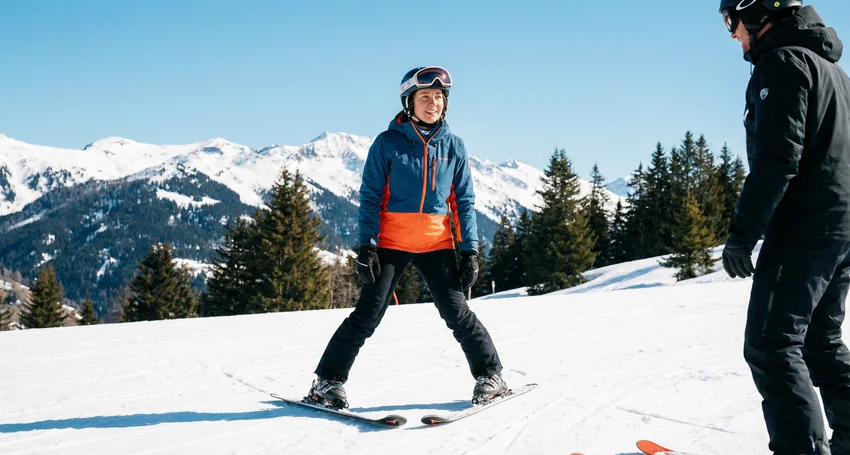
Stepping into a pair of skis for the first time is an experience unlike any other. The crisp mountain air, the stunning alpine scenery, and the exhilarating feeling of gliding over snow – it’s a combination that hooks people for life. But for a beginner, the prospect of skiing can also be a little daunting. From navigating the equipment to mastering the basics, there’s a lot to take in. That's where this guide comes in. We’re here to walk you through everything you need to know for your first time on the slopes, ensuring you have a safe, enjoyable, and unforgettable introduction to the world of skiing.
Think of this as your friendly pre-trip briefing from an experienced ski instructor. We’ll cover all the essentials, from what to wear and how to choose your gear, to what to expect on your first day and why a professional lesson is the best way to start. We’ll even touch on the celebrated tradition of après-ski. Our goal is to replace any apprehension you might have with confidence and excitement. By the end of this article, you’ll be more than ready to embrace the challenge and discover the pure joy of skiing. So, let’s get started on your journey to becoming a skier.
Gearing Up for Your First Ski Adventure
One of the first questions beginners ask is, “What should I wear?” The key to staying comfortable on the slopes is layering. The weather in the mountains can change quickly, so having multiple layers allows you to adapt. Start with a moisture-wicking base layer to keep sweat away from your skin. Next, add a fleece or a similar mid-layer for insulation. Finally, you’ll need a waterproof and windproof outer layer – a ski jacket and trousers (or salopettes) are essential. Don’t forget a good pair of ski socks, waterproof gloves or mittens, a helmet, and goggles or sunglasses to protect your eyes from the sun and snow.
When it comes to skis, boots, and poles, renting is the way to go for your first trip. It’s more cost-effective than buying, and the rental shop staff will ensure you get equipment that’s appropriate for your height, weight, and ability level. The most crucial piece of equipment is your ski boots. They are your connection to the skis and have a huge impact on your comfort and control. Ill-fitting boots can ruin a day on the slopes, so it’s vital to get them right. For a detailed guide on this, it's worth reading up on How to Choose the Right Ski Boots: A Fitting Guide.
Your First Day on the Slopes: What to Expect
Your first day of skiing should be all about fun and learning in a safe environment. Most ski resorts have a dedicated beginner area with gentle slopes, often serviced by a moving carpet or a slow-moving chairlift. This is where you’ll spend most of your time, getting a feel for the equipment and practising the basic movements. It’s a good idea to look at the resort’s piste map beforehand to familiarise yourself with the layout and identify the nursery slopes.
Before you even click into your skis, a proper warm-up is crucial. Skiing uses muscles you might not be used to working, so some gentle stretches and light cardio will help prepare your body and prevent injuries. Once you’re on the snow, everything will feel a bit strange at first. The skis will seem long and clumsy, and even walking will be a challenge. This is completely normal! Be patient with yourself and focus on getting comfortable with the sensation of sliding on snow. Remember, every single expert skier was once a beginner, and they all had to start with these same first steps.
Mastering the Fundamentals of Skiing
The first and most fundamental skill you’ll learn is the snowplough, also affectionately known as the “pizza slice.” This is where you form a wedge shape with your skis, with the tips closer together than the tails. The snowplough is your control centre as a beginner; it’s how you’ll manage your speed and how you’ll learn to stop. A wider wedge creates more resistance and slows you down, while a narrower wedge allows you to glide more freely. Your instructor will guide you through this, but the basic principle is to apply pressure to the inside edges of your skis.
Turning is the next step. By putting a little more weight on one ski, you’ll find that you naturally start to turn in the opposite direction. Learning to link these turns together is the key to skiing down a slope in a controlled manner. It might feel counterintuitive at first, but with practice, it will start to feel more natural. And what about falling? It’s an inevitable part of learning to ski, so don’t be afraid of it. The snow is usually soft, and you’ll be on a gentle slope. Learning how to fall safely – by trying to fall backwards or to the side – and how to get back up again are important skills in themselves.
The Importance of Professional Ski Lessons
While it might be tempting to have a friend or family member teach you, there is no substitute for a professional lesson. A qualified instructor will provide you with a structured learning experience, teaching you the correct techniques from the very beginning. This not only helps you progress faster but also ensures you develop good habits that will form a solid foundation for your future skiing. For anyone new to the sport, investing in Ski Lessons for Beginners is the single best thing you can do.
So, what should you look for in an instructor? A good instructor will be patient, encouraging, and an excellent communicator. They will create a fun and supportive learning environment where you feel comfortable asking questions and making mistakes. If you're unsure about what to look for, we have a helpful article on How to Choose a Ski Instructor: What to Look For. A common question from newcomers is about the duration of lessons. While everyone learns at a different pace, a series of lessons is usually recommended to solidify the basics. To get a better idea of what to expect, you might want to read our post on How Many Ski Lessons Does a Beginner Need?.
Tips for a Successful and Enjoyable First Ski Trip
One of the most important things to remember on your first ski trip is to go at your own pace. Don’t be tempted to follow more experienced friends to the top of the mountain before you’re ready. Stick to the beginner slopes until you feel confident and in control. Skiing can be physically demanding, so listen to your body. Take regular breaks, stay hydrated by drinking plenty of water, and don’t push yourself to the point of exhaustion. It’s far better to finish the day with a smile on your face, eager for the next, than to overdo it and end up sore and discouraged.
It’s also worth remembering that skiing is a journey, not a race. There will be moments of frustration, but these are always followed by breakthroughs that make it all worthwhile. The feeling of linking your first few turns or skiing down a gentle slope without falling is incredibly rewarding. And if you're starting this journey later in life, don't be discouraged. Many people discover the joy of skiing as adults. For some inspiration and specific advice, check out our article on Learning to Ski as an Adult: Tips for Late Starters.
Don’t Forget the Après-Ski!
No ski trip is complete without experiencing the unique culture of après-ski. French for “after ski,” it’s the socialising and entertainment that happens after a day on the slopes. This can be anything from a quiet drink by a roaring fire to dancing on tables in your ski boots at a lively mountain bar. It’s a time to relax, share stories of your day’s adventures, and soak up the vibrant atmosphere of the ski resort. Whether you prefer a hot chocolate or a cold beer, make sure you take some time to enjoy this cherished skiing tradition.
Frequently Asked Questions
What is the easiest way to learn to ski?
The easiest and safest way to learn to ski is by taking a lesson from a qualified ski instructor. They will teach you the correct techniques in a controlled environment, helping you to build confidence and progress at your own pace. Starting in a dedicated beginner area with a gentle slope is also key.
Can I teach myself to ski?
While it is technically possible to teach yourself to ski, it is not recommended. Without professional guidance, you are likely to pick up bad habits that are difficult to correct later on. You also increase your risk of injury. A ski instructor will ensure you learn in a safe and effective way.
What should I do the day before my first ski lesson?
The day before your first lesson, make sure you are well-rested and hydrated. It’s also a good idea to collect your rental equipment in advance to avoid a rush on the morning of your lesson. Familiarise yourself with the resort map and know where your lesson meeting point is. Most importantly, get excited for the fun day ahead!
Is skiing hard to learn?
Like any new skill, skiing has a learning curve. However, with modern equipment and professional instruction, most people are able to grasp the basics and ski on beginner slopes within a few hours. The key is to be patient with yourself and to focus on having fun.
Now that you’re equipped with the knowledge to take on your first skiing adventure, the mountains are waiting. The journey of a thousand miles begins with a single step, and your skiing journey begins with that first glide on snow. To start your adventure on the right foot, why not book a lesson with a professional instructor? At findaskischool.com, we make it easy to find and book the perfect ski school or instructor for your needs, wherever you are in the world. Take the first step towards a lifetime of alpine adventures and book your lesson today!
Find your ski school
Compare schools and instructors in resorts around the world — no booking fees, ever.