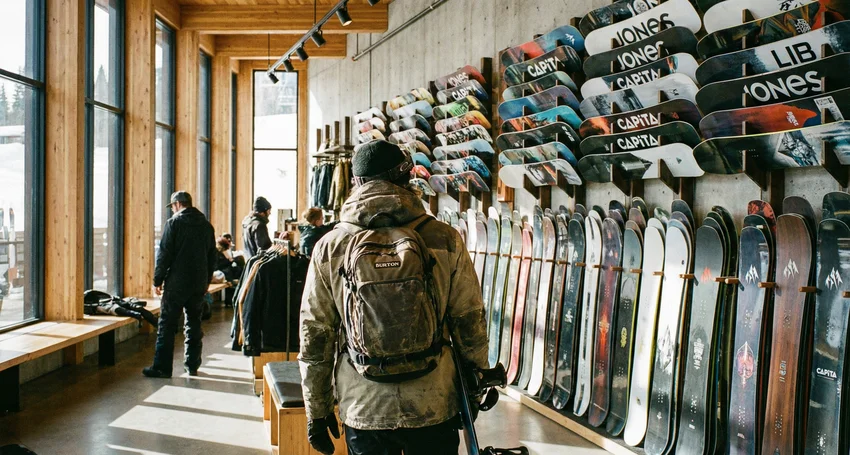
Welcome to the exhilarating world of snowboarding! If you're reading this, you're likely on the verge of embarking on an incredible journey, one filled with powdery slopes, breathtaking mountain views, and the unique thrill of gliding over snow. But before you can start carving your way down the mountain, you need the right gear, and it all starts with the most crucial piece of equipment: your snowboard. Choosing your first snowboard can feel like a daunting task. With so many brands, shapes, sizes, and technical terms to decipher, it's easy to feel overwhelmed. But don't worry, we're here to help you navigate this process with confidence.
This guide is designed to be your trusted companion, breaking down everything you need to know about choosing the perfect snowboard for your needs. We'll demystify the jargon, explain the different types of snowboards, and walk you through the key factors to consider, from your riding style to your boot size. Think of us as your friendly, experienced instructor, here to share our knowledge and passion for snowboarding. Our goal is to empower you to make an informed decision, so you can invest in a board that you'll love for seasons to come. Proper gear is the first step towards a successful and enjoyable snowboarding experience, and for those just starting out, our guide on Snowboarding for Beginners: 10 Tips to Get Started is a fantastic resource to complement your new board.
Remember, the right snowboard will feel like an extension of your body, making it easier to learn, progress, and, most importantly, have fun. So, let's dive in and find the perfect snowboard to kickstart your snowboarding adventure. And once you have your board, you might be wondering what your first lesson will be like. We have a great article on Snowboard Lessons: What to Expect in Your First Class that will prepare you for what's to come.
Understanding Snowboard Anatomy
To choose the right snowboard, it helps to understand its basic anatomy. Just like learning how to ski for the first time, knowing your equipment is fundamental. Let's break down the key components that determine how a board performs on the snow.
Camber vs. Rocker
The profile of a snowboard, when you look at it from the side, is one of its most defining characteristics. This profile is generally described as camber, rocker, or a hybrid of the two.
Camber: A traditional camber board has a slight upward arch in the middle when laid flat. This design creates pressure on the tip and tail, providing excellent edge-hold, stability at high speeds, and a 'poppy' feel when you're making turns or ollieing. Camber boards are great for aggressive riders and those who love carving precise turns on groomed runs.
Rocker: A rocker board, also known as reverse-camber, has a profile that resembles the bottom of a rocking chair. The board curves upwards from the centre towards the tip and tail. This design lifts the edges off the snow, making the board feel more playful, forgiving, and less likely to catch an edge. Rocker boards excel in powder, as the raised tip and tail help the board float effortlessly. They are often recommended for beginners due to their forgiving nature.
Hybrid Profiles: Many modern snowboards feature a hybrid profile, combining the best of both camber and rocker. For example, a 'rocker/camber/rocker' profile has rocker at the tip and tail for float and forgiveness, with camber underfoot for edge-hold and pop. These hybrid designs are incredibly versatile and are a popular choice for riders who want a board that can handle a variety of conditions.
Snowboard Shape: Twin, Directional, and Directional Twin
The shape of a snowboard influences how it rides. The three main shapes are twin, directional, and directional twin.
Twin: A twin-shaped snowboard is perfectly symmetrical. The nose and tail are identical in shape, and the flex is consistent throughout the board. This makes it ideal for freestyle riding, as it feels the same whether you're riding regular or switch (backwards). If you plan on spending a lot of time in the terrain park, a twin board is an excellent choice.
Directional: A directional snowboard is designed to be ridden primarily in one direction. The nose is typically longer and wider than the tail, and the stance is set back towards the tail. This shape provides better float in powder and more stability at high speeds. Directional boards are the go-to choice for freeriders and those who love to charge down the mountain.
Directional Twin: A directional twin board is a hybrid of a twin and a directional board. It has a symmetrical shape, like a twin, but a directional flex pattern or a slightly set-back stance. This makes it a versatile option for all-mountain riders who want a board that can handle everything from park laps to powder days.
Flex Rating: Soft, Medium, and Stiff
The flex of a snowboard refers to how easily it bends. The flex rating is typically given on a scale of 1 to 10, with 1 being the softest and 10 being the stiffest.
Soft Flex (1-3): Soft-flexing boards are forgiving and easy to turn, making them a great choice for beginners and freestyle riders. They are playful at low speeds and are ideal for learning the basics of turning and carving.
Medium Flex (4-6): Medium-flexing boards offer a good balance of responsiveness and forgiveness. They are versatile enough to handle a wide range of terrain and riding styles, making them a popular choice for intermediate to advanced all-mountain riders.
Stiff Flex (7-10): Stiff-flexing boards provide maximum stability and edge-hold at high speeds. They are best suited for aggressive riders, freeriders, and those who demand precision and performance from their board. A stiff flex requires more effort to turn, so it's not typically recommended for beginners.
Choosing the Right Snowboard Size
Selecting the correct snowboard size is crucial for your progression and overall enjoyment on the mountain. A board that is too long will be difficult to control, while a board that is too short will feel unstable at speed. The right size for you depends on a combination of your weight, height, and boot size.
Weight and Height Chart
Traditionally, the 'chin rule' was a common way to size a snowboard: stand the board on its tail, and the nose should reach somewhere between your chin and your nose. While this can be a useful starting point, a more accurate method is to use a size chart that considers your weight. Your weight is a more critical factor than your height because it determines how much pressure you can apply to the board to make it flex and turn. Most snowboard manufacturers provide a weight range for each board size. As a beginner, it's generally a good idea to choose a board on the shorter end of your recommended size range, as it will be easier to manoeuvre.
Width and Boot Size
Snowboard width is another important consideration, and it's directly related to your boot size. The width of a snowboard is measured at its narrowest point, the waist. When your boots are strapped into your bindings, your toes and heels should hang over the edges of the board slightly, but not so much that they drag in the snow when you're making a turn. This is known as 'toe drag' or 'heel drag', and it can cause you to lose your edge and fall. If you have a boot size of UK 10.5 or larger, you will likely need a 'wide' snowboard. Just as with snowboarding, getting the right fit is paramount in all winter sports. For our skiing friends, we have a comprehensive guide on how to choose the right ski boots, which emphasizes the importance of a proper fit for performance and comfort.
Types of Snowboards
Now that you understand the anatomy and sizing of a snowboard, let's explore the different types of boards available. Each type is designed for a specific style of riding and terrain.
All-Mountain Snowboards
All-mountain snowboards are the versatile workhorses of the snowboarding world. They are designed to perform well in a wide variety of conditions, from groomed runs and terrain parks to powder-filled bowls. If you're a beginner who is unsure of what type of riding you'll enjoy most, or if you want a board that can do it all, an all-mountain board is an excellent choice. They typically feature a directional twin shape and a medium flex, offering a perfect blend of stability, responsiveness, and playfulness.
Freestyle Snowboards
Freestyle snowboards, also known as park boards, are designed for riders who love to hit jumps, rails, and boxes in the terrain park. They are typically shorter in length and have a twin shape and a soft to medium flex. This makes them easy to spin, press, and butter. If your goal is to learn tricks and express your creativity on the snow, a freestyle board is the way to go.
Freeride Snowboards
Freeride snowboards are built for speed, power, and exploring off-piste terrain. They are typically longer, stiffer, and have a directional shape with a set-back stance. This design provides maximum stability and edge-hold on steep, challenging terrain and excellent float in deep powder. If you're an adventurous rider who loves to charge down the mountain and seek out untracked snow, a freeride board will be your best friend.
Powder Snowboards
As the name suggests, powder snowboards are designed specifically for riding in deep, fresh snow. They often feature a large, rockered nose, a tapered shape, and a set-back stance to help the board float effortlessly. Riding powder is a unique and incredible experience, and having a dedicated powder board can make it even more enjoyable. While not the most versatile option, if you're lucky enough to live in an area with abundant snowfall, a powder board is a worthy addition to your quiver.
Key Considerations for Beginners
As a beginner, your primary focus should be on learning the fundamentals of snowboarding in a safe and enjoyable way. Here are a few key considerations to keep in mind when choosing your first board:
- Choose a Forgiving Board: Look for a board with a soft to medium flex and a rocker or hybrid profile. This will make it easier to initiate turns and less likely to catch an edge, which is a common frustration for beginners.
- Don't Break the Bank: You don't need to spend a fortune on your first snowboard. There are many excellent entry-level boards available that offer great performance and value. It's better to invest in a good pair of boots and comfortable outerwear first.
- Consider a Package Deal: Many shops offer snowboard packages that include a board, bindings, and boots. These packages are often a great value and ensure that all your gear is compatible.
Frequently Asked Questions
What is the best type of snowboard for a beginner?
For most beginners, an all-mountain snowboard with a soft to medium flex and a rocker or hybrid profile is the best choice. This type of board is versatile, forgiving, and will help you build a solid foundation of skills.
How much should I spend on my first snowboard?
You can find a good quality beginner snowboard for between £250 and £400. Remember that you will also need to budget for bindings and boots. It's often more cost-effective to buy a package deal.
Should I buy or rent a snowboard for my first time?
If you're not sure if snowboarding is for you, it's a good idea to rent gear for your first few times on the mountain. This will give you a chance to try it out without a significant financial commitment. Once you've decided that you want to pursue snowboarding, buying your own gear will be more cost-effective in the long run and will allow you to get a setup that is perfectly suited to you.
Find Your Perfect Ski School
Now that you have a better understanding of how to choose the right snowboard, you're one step closer to hitting the slopes. But the right gear is only half the battle. The best way to learn to snowboard and progress quickly is by taking a lesson from a qualified instructor. At Find a Ski School, we make it easy to find and book snowboard lessons at resorts all over the world. Whether you're a complete beginner or an experienced rider looking to refine your skills, we can help you find the perfect instructor to help you achieve your goals. So, what are you waiting for? Your mountain adventure awaits!
Find your ski school
Compare schools and instructors in resorts around the world — no booking fees, ever.