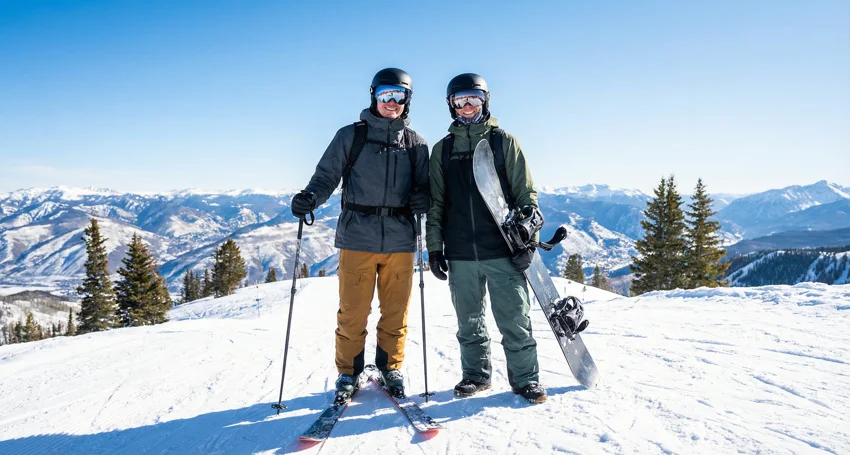
# Skiing vs Snowboarding: Which Should You Learn First? The crisp mountain air, the glistening white slopes, the thrill of gliding over snow – it’s an experience that captivates millions. But before you can carve your way down a mountain, you face a fundamental choice: skiing or snowboarding? This is one of the most debated topics in the world of snow sports, and for a beginner, it can be a daunting decision. Both offer unique thrills and challenges, and the right choice for you depends on your personal preferences, physical abilities, and what you hope to get out of your time on the mountain. This guide is here to help you navigate that choice. We’ll break down the pros and cons of each discipline, from the initial learning curve to the physical demands and the equipment you’ll need. We’ll also touch on the social aspects and the importance of professional instruction. By the end, you’ll have a much clearer idea of whether you’re destined to be a two-plank purist or a sideways shredder. So, let’s dive in and explore the world of skiing and snowboarding. ## The Learning Curve: A Tale of Two Sports One of the biggest factors to consider when choosing between skiing and snowboarding is the learning curve. While both sports are challenging in their own right, they present different hurdles for beginners. ### Learning to Ski: The Initial Steps Skiing often has a more intuitive learning curve for complete beginners. Your legs are separate, and you face forward, which feels more natural than being strapped to a single board. The initial learning process for skiing typically involves learning to snowplough (or pizza), where you form a wedge with your skis to control your speed and make basic turns. This technique is relatively easy to grasp and provides a sense of control from the very first lesson. Most beginners can learn to stop and make basic turns on a gentle slope within a day or two. If you're wondering How to Ski for the First Time: Everything You Need to Know, we have a comprehensive guide that covers all the essentials. ### Learning to Snowboard: The First Bumps Snowboarding, on the other hand, can be a bit more challenging on day one. Your feet are strapped to a single board, and you stand sideways, which can feel awkward and unnatural at first. The first lesson often involves a lot of falling and getting back up. You’ll spend a significant amount of time learning to balance on your heel and toe edges, and you’ll likely experience a few tumbles in the process. It’s a rite of passage for every snowboarder! The key is perseverance. While the initial stages can be frustrating, once you master the basics of edge control and linking turns, your progression can be quite rapid. Many snowboarders find that after a few days of dedicated practice, they can confidently tackle a wider variety of terrain than a skier of the same level. ## Physical Demands and Fitness Both skiing and snowboarding are excellent forms of exercise, but they work your body in different ways. Understanding the physical demands can help you choose the sport that best suits your fitness level and goals. ### The Physicality of Skiing Skiing is a fantastic workout for your lower body. Your quadriceps, hamstrings, and glutes will be engaged constantly as you maintain your stance and absorb bumps in the snow. Your core also plays a crucial role in maintaining balance and stability. While skiing is generally considered to be easier on the knees than snowboarding in the long run, the repetitive twisting motion of turning can put stress on the knee ligaments. Building up your leg strength before your trip can make a huge difference in your endurance and help prevent injuries. ### The Physicality of Snowboarding Snowboarding provides a more holistic, full-body workout. Your core is constantly engaged to maintain balance and initiate turns. You’ll also use your leg muscles extensively, particularly your calves and the muscles around your ankles and feet. Because your feet are strapped in, there’s less twisting force on your knees, but you are more likely to injure your wrists from falling, especially as a beginner. Wearing wrist guards is highly recommended. Snowboarding also requires a good sense of balance, so activities like yoga, skateboarding, or surfing can give you a head start. ## Equipment: What Do You Need? Regardless of which sport you choose, you’ll need the right gear. While you can rent most of the equipment, it’s essential to know what you’re looking for. ### Ski Equipment For skiing, you’ll need skis, boots, bindings, and poles. The most critical piece of equipment is your ski boots. Poorly fitting boots can ruin your day, causing pain and hindering your control. It’s worth spending the time to get a proper fitting. Our How to Choose the Right Ski Boots: A Fitting Guide can help you find the perfect pair. Skis come in various shapes and sizes, but as a beginner, you’ll be looking for shorter, more flexible skis that are easier to turn. Poles are used for timing, balance, and pushing yourself along on flat sections. ### Snowboard Equipment For snowboarding, you’ll need a board, bindings, and boots. Similar to skiing, snowboard boots are a crucial part of your setup. They should be comfortable but snug, providing good support for your ankles. The board you choose will depend on your height, weight, and riding style. As a beginner, you’ll want a softer, more forgiving board that’s easy to control. Bindings connect your boots to the board and should be adjusted to your stance. ## The Role of a Professional Instructor Whether you choose skiing or snowboarding, investing in lessons is the best way to start your journey. A qualified instructor will teach you the correct techniques from the very beginning, ensuring you build a solid foundation for future progression. They’ll also teach you about mountain safety and etiquette, which is crucial for a positive experience. When you’re looking for the right instructor, it’s important to know How to Choose a Ski Instructor: What to Look For. A good instructor can make all the difference in your learning experience. You might also be wondering How Many Ski Lessons Does a Beginner Need?. While it varies from person to person, a series of lessons is always recommended to solidify your skills. ## The Social Aspect and Mountain Culture Skiing and snowboarding have their own unique cultures and social scenes. Skiing has a longer history and is often associated with a more traditional, family-oriented atmosphere. Snowboarding, which emerged in the 1960s, has its roots in surf and skate culture and is often seen as more rebellious and youth-oriented. However, these stereotypes are becoming increasingly outdated. Today, you’ll find people of all ages and backgrounds enjoying both sports. The mountain is a welcoming place for everyone, and the shared passion for snow sports creates a strong sense of community. ## So, Which One is Right for You? Ultimately, the decision to ski or snowboard is a personal one. If you’re looking for a quicker start and a more intuitive learning process, skiing might be the better choice for you. If you’re drawn to the challenge and the fluid, surf-like feel of snowboarding, and you don’t mind a few extra falls at the beginning, then snowboarding could be your calling. The best advice is to choose the one that excites you the most. Your enthusiasm and motivation will be the most significant factors in your success and enjoyment. ## Frequently Asked Questions ### Is it possible to learn both skiing and snowboarding? Absolutely! Many people are proficient in both sports. It’s generally recommended to focus on one until you’re comfortable and confident before trying the other. Once you’ve mastered one, you’ll have a better understanding of the mountain environment, which will make learning the second sport much easier. ### Which sport is more expensive? The cost of skiing and snowboarding is quite similar. The price of lift passes, lessons, and equipment rentals are generally comparable. While you need more pieces of equipment for skiing (skis, boots, poles), the overall cost tends to even out. ### Which sport is safer? Both sports come with inherent risks, but the types of injuries tend to differ. Skiers are more prone to knee injuries, while snowboarders are more likely to injure their wrists. However, with proper instruction and by staying within your ability level, you can significantly reduce the risk of injury in both sports. ### Can I teach myself to ski or snowboard? While it’s technically possible, it’s not recommended. A professional instructor will teach you the correct techniques and safety protocols, which will help you progress faster and more safely. Learning from a friend can be fun, but they may not have the skills to teach effectively and may pass on bad habits. No matter which discipline you choose, the mountains are waiting to be explored. The journey from a complete beginner to a confident rider is incredibly rewarding. So, are you ready to take the plunge? Find a Ski School today and start your adventure on the snow. Our platform makes it easy to find and book the perfect ski or snowboard school for your needs, so you can focus on what really matters: having an unforgettable time on the slopes.
Find your ski school
Compare schools and instructors in resorts around the world — no booking fees, ever.