# Skiing in Italy: The Complete Guide to Italian Ski Resorts
Italy, a country renowned for its rich history, exquisite cuisine, and profound impact on art and culture, also boasts some of the most breathtaking mountain landscapes in the world. While many flock to its sun-drenched coasts and ancient cities, a different kind of magic awaits in its northern regions: the majestic Alps and the dramatic Dolomites. Here, skiing is not just a sport; it’s a way of life, a perfect fusion of thrilling adventure, stunning natural beauty, and the inimitable Italian flair for living well. From the vast, interconnected slopes of the Dolomiti Superski to the glamorous alpine towns of the Aosta Valley, Italy offers a ski experience that is as diverse as it is unforgettable.
Imagine carving down pristine, sun-kissed pistes with panoramic views of jagged limestone peaks, pausing for a gourmet lunch at a mountain rifugio that rivals a city’s finest restaurant, and ending your day with a stroll through a charming, snow-dusted village. This is the essence of a ski holiday in Italy. It’s a place where world-class skiing meets world-class hospitality, where the passion for the mountains is matched only by the passion for good food and good company. Whether you are a seasoned expert seeking challenging off-piste terrain, a family looking for gentle, welcoming slopes, or a group of friends eager to experience the legendary après-ski scene, Italy’s ski resorts cater to every desire.
This guide is your comprehensive companion to skiing in Italy. We will explore the very best resorts the country has to offer, from the iconic slopes of Cortina d'Ampezzo to the high-altitude playground of Cervinia. We will delve into the Italian ski school system, help you decide on the best time to visit, and provide practical advice on getting there and budgeting for your trip. Prepare to discover why skiing in Italy is an experience that captures the heart and soul, leaving you with memories that will last a lifetime.
Why Ski in Italy?
While its Alpine neighbours often grab the spotlight, Italy offers a ski experience that is in a class of its own. It’s a captivating blend of breathtaking scenery, world-class infrastructure, and a cultural warmth that is uniquely Italian. Here’s why you should consider Italy for your next ski adventure:
Unbeatable Value: Compared to many other top European ski destinations, Italy often provides better value for money. From lift passes to accommodation and dining, you’ll find that your budget stretches further here, without compromising on quality. This affordability makes it an excellent choice for families and those looking for a more accessible yet premium ski holiday. You can learn more about how costs stack up in our Ski Pass Prices in Europe: A Complete Guide for 2026.
La Dolce Vita on the Slopes: Skiing in Italy is as much about the lifestyle as it is about the sport. The pace is more relaxed, the atmosphere is convivial, and the focus is on enjoyment. This is most evident in the mountain restaurants, or ‘rifugi’, which serve exquisite, hearty cuisine and fine wines at reasonable prices. Long, sun-drenched lunches are not just an option; they are an integral part of the day.
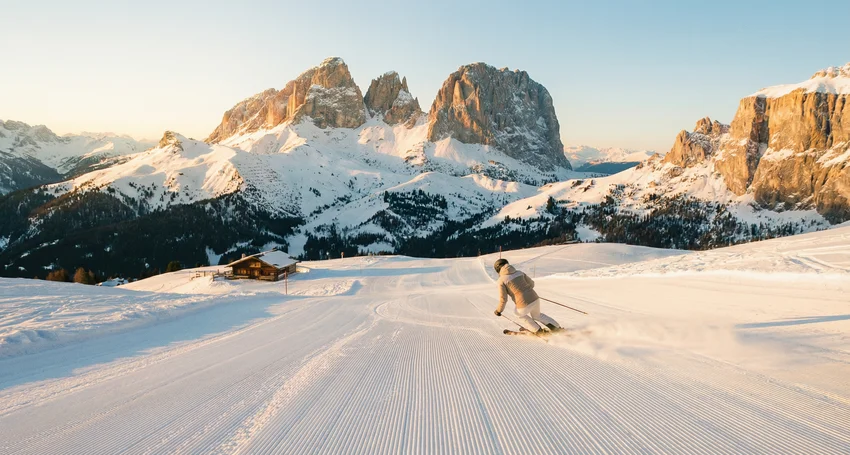
Spectacular and Diverse Scenery: Italy is home to some of the most stunning mountain landscapes on the planet. The Dolomites, a UNESCO World Heritage site, offer a truly unique backdrop with their pale, jagged peaks that glow pink at sunrise and sunset. In the west, the Aosta Valley boasts some of Europe's highest peaks, including Mont Blanc and the Matterhorn, providing a dramatic and challenging environment for skiers of all levels.
Extensive and Well-Maintained Ski Areas: Italy boasts several vast, interconnected ski areas. The Dolomiti Superski, for instance, is one of the world's largest, offering 1,200km of pistes on a single pass. The slopes are meticulously groomed, and the lift systems are modern and efficient, ensuring you spend more time skiing and less time waiting.
A Warm Welcome: Italians are known for their warmth and hospitality, and this extends to the ski resorts. The atmosphere is generally family-friendly and welcoming to skiers of all abilities. Whether you're a complete novice or a seasoned pro, you'll find a supportive and encouraging environment, making it one of The Best Ski Resorts for Beginners in Europe.
Top Ski Resorts in Italy
Italy's ski resorts are as varied as its landscapes, offering everything from glamorous, world-renowned destinations to charming, hidden gems. Whether you're drawn to the dramatic peaks of the Dolomites or the high-altitude playgrounds of the Aosta Valley, you'll find a resort that's perfect for you. Here’s a look at some of the top ski resorts in Italy:
Cortina d'Ampezzo
Nestled in the heart of the Dolomites, Cortina d'Ampezzo is arguably Italy's most famous and glamorous ski resort. Known as the 'Queen of the Dolomites', it has a rich history of hosting international events, including the 1956 Winter Olympics, and is set to co-host the 2026 Games. The resort is surrounded by the breathtaking scenery of the Tofane, Cristallo, and Sorapis mountains, offering a stunning backdrop for a day on the slopes. The town itself is a chic and bustling hub of designer boutiques, elegant hotels, and sophisticated restaurants, attracting a stylish international clientele.
The skiing in Cortina is spread across several distinct areas, offering a wide variety of terrain for all abilities. The Tofane area is the largest and most varied, with a mix of challenging black runs and scenic, cruising blues. The Faloria-Cristallo area, on the other side of the valley, offers more sun-drenched slopes and spectacular views. While the ski areas aren't fully interconnected by lifts, a highly efficient bus service makes it easy to explore all that Cortina has to offer. For those looking to hone their skills, there is a wide range of options available, and you can learn more in our Ski Schools in Cortina d'Ampezzo: A Complete Guide to Lessons & Instructors.
Beyond the pistes, Cortina offers a wealth of activities, from cross-country skiing and snowshoeing to ice skating and curling. The town's vibrant après-ski scene is centred around the pedestrianised Corso Italia, where you can enjoy a sophisticated aperitivo and soak up the glamorous atmosphere. Cortina is a resort that perfectly balances world-class skiing with a rich cultural experience, making it a must-visit destination for any discerning skier.
Cervinia
For those who crave high-altitude, snow-sure skiing, Cervinia is an unbeatable choice. Situated on the Italian side of the iconic Matterhorn (known locally as Monte Cervino), this resort offers one of the highest and most extensive ski areas in the Alps. Its lofty altitude, with the village at 2,050m and skiing up to 3,883m on the Klein Matterhorn, guarantees excellent snow conditions from early season right through to late spring. The resort's wide, sunny, and immaculately groomed pistes are a paradise for intermediate skiers, offering miles of confidence-boosting cruising terrain.
The ski area is linked with Zermatt in Switzerland, creating the vast Matterhorn Ski Paradise, which offers over 360km of pistes. This cross-border skiing experience is a major draw, allowing you to ski two countries in one day and enjoy the contrasting cultures and cuisines. The Italian side is known for its long, sweeping runs, including the famous 22km Ventina run, one of the longest in the world. While Cervinia is a haven for intermediates, there are also plenty of challenges for advanced skiers, particularly in the off-piste terrain and over on the Swiss side. To make the most of this vast area, consider booking lessons with a local expert; you can find out more in our Ski Schools in Cervinia: A Complete Guide to Lessons & Instructors.
Cervinia's village has a friendly, relaxed atmosphere, with a good selection of restaurants, bars, and shops. It may not have the traditional charm of some of the older alpine villages, but it more than makes up for it with its stunning location and unbeatable skiing. The value for money here is excellent, particularly when compared to its Swiss neighbour. For a high-altitude ski holiday with a fantastic snow record and a relaxed Italian vibe, Cervinia is hard to beat.
Courmayeur
Courmayeur, nestled at the foot of the majestic Mont Blanc, is a charming and sophisticated resort that exudes traditional alpine character. Its picturesque, car-free centre is a delightful maze of cobbled streets, lined with historic buildings, stylish boutiques, and inviting cafes. The atmosphere is lively and chic, attracting a discerning crowd who come for the fantastic skiing, the gourmet food, and the stunning scenery. The views of Mont Blanc, the highest peak in the Alps, are simply awe-inspiring and provide a dramatic backdrop to this quintessential Italian resort.
The skiing in Courmayeur is divided into two main areas, Chécrouit and Val Veny, which are linked at the top. The Chécrouit side offers a sunny playground of wide, open pistes, perfect for intermediates and families. The Val Veny side, on the other hand, is more wooded and offers some more challenging terrain, as well as some of the best on-mountain dining in the Alps. While the pisted area is not as extensive as some of the other Italian giants, Courmayeur is a mecca for off-piste and freeride enthusiasts. The Skyway Monte Bianco cable car whisks you up to Punta Helbronner at 3,466m, opening up a world of legendary off-piste descents, including the famous Vallée Blanche route down to Chamonix. For those looking to explore this incredible terrain, we highly recommend hiring a guide, and you can find out more in our Ski Schools in Courmayeur: A Complete Guide to Lessons & Instructors.
Courmayeur is renowned for its culinary scene, with an abundance of outstanding restaurants both on and off the mountain. The après-ski scene is sophisticated and relaxed, with a focus on good wine and good conversation. For a truly memorable experience, take a trip up the Skyway Monte Bianco at sunset for an aperitivo with panoramic views of the Alps. Courmayeur is a resort that perfectly combines challenging skiing with a refined and charming atmosphere, making it a favourite among those who appreciate the finer things in life.
Livigno
Known as 'Little Tibet' for its high altitude and remote location, Livigno is a unique and vibrant ski resort tucked away in the Lombardy region, close to the Swiss border. Its special duty-free status makes it one of the most affordable resorts in the Alps, attracting a young and lively crowd. The village is a long, sprawling collection of traditional wooden buildings, housing a vast array of shops, bars, and restaurants. The atmosphere is fun, friendly, and unpretentious, with a strong focus on freestyle and freeride culture.
The ski area in Livigno is split across two sides of the valley, Carosello 3000 and Mottolino. Both sides offer a fantastic variety of terrain, with wide, sunny pistes that are perfect for all levels. Carosello 3000 is known for its long, cruising runs and family-friendly atmosphere, while Mottolino is a haven for freestyle enthusiasts, with one of the best snowparks in Europe. The resort's high altitude and excellent snow-making facilities ensure reliable snow cover throughout the season. For those looking to improve their skills, whether on the pistes or in the park, Livigno has a wide range of excellent ski schools. You can find out more in our Ski Schools in Livigno: A Complete Guide to Lessons & Instructors.
Livigno's duty-free status means that everything from lift passes to equipment rental and dining out is significantly cheaper than in other major resorts. The après-ski scene is legendary, with a huge number of lively bars offering great value drinks and a party atmosphere that continues late into the night. Beyond the slopes, Livigno offers a wide range of activities, including cross-country skiing, snowmobiling, and ice driving. For a fun-filled, high-altitude ski holiday that won't break the bank, Livigno is an unbeatable choice.
Val Gardena
Val Gardena is a stunningly beautiful valley in the heart of the Dolomites, home to three charming villages: Ortisei, Selva Gardena, and Santa Cristina. This world-class ski resort offers access to the vast Dolomiti Superski area and the famous Sellaronda circuit, a 40km loop around the majestic Sella massif. The scenery here is simply breathtaking, with the iconic, jagged peaks of the Dolomites providing a spectacular backdrop at every turn. The valley has a unique cultural identity, with a rich Ladin heritage that is reflected in its language, traditions, and cuisine.
The skiing in Val Gardena is incredibly diverse, with something to suit every taste and ability. The resort boasts 175km of its own pistes, but with the Dolomiti Superski pass, you have access to an incredible 1,200km of interconnected slopes. The Sellaronda is a must-do for any intermediate or advanced skier, offering a full day of skiing with constantly changing scenery. The resort is also home to the legendary Saslong downhill course, one of the most challenging on the World Cup circuit. For those looking to explore this vast and varied ski area, there are numerous excellent ski schools with highly qualified instructors. You can find out more in our Ski Schools in Val Gardena: A Complete Guide to Lessons & Instructors.
Each of the three villages in Val Gardena has its own distinct character. Ortisei is the largest and most sophisticated, with a beautiful pedestrianised centre and a family-friendly atmosphere. Selva Gardena is the highest and most lively, with direct access to the Sellaronda and a vibrant après-ski scene. Santa Cristina is a quieter, more traditional village, perfect for those seeking a peaceful and relaxing holiday. Whichever village you choose, you'll be treated to the warm hospitality and delicious cuisine that this unique corner of the Alps is famous for. Val Gardena is a truly world-class destination that offers an unforgettable ski experience in the heart of the Dolomites.
Ski Schools and Lessons in Italy
Italy’s ski school system is renowned for its high standards and friendly, passionate instructors. Whether you are a complete beginner taking your first tentative slides or an expert skier looking to refine your technique, you will find a wealth of excellent options across the country. The Italian ski instructor qualification is highly respected and involves a rigorous training and examination process, ensuring that you are in safe and capable hands.
One of the great advantages of the Italian system is the emphasis on making learning fun. Instructors are known for their patience, encouragement, and ability to create a positive and supportive learning environment. Group lessons are widely available and are a great way to learn in a sociable setting, while private lessons offer a more personalised approach, allowing you to focus on your specific goals. Many ski schools also offer specialised clinics, such as off-piste guiding, freestyle coaching, and race training.
Language is rarely a barrier in Italian ski resorts. Most instructors, particularly in the larger, more international resorts, speak excellent English, as well as a range of other languages. When booking lessons, it’s always a good idea to specify your language preference to ensure you are matched with the right instructor. To find the perfect ski school for your needs, you can use our comprehensive search tool to Find a Ski School in your chosen resort.
Typical costs for ski lessons in Italy can vary depending on the resort, the time of season, and the type of lesson. Group lessons are the most budget-friendly option, with a week of lessons typically costing between €150 and €250. Private lessons are more expensive, with hourly rates ranging from €40 to €70, but they offer a more intensive and tailored learning experience. It’s always advisable to book your lessons in advance, especially during peak periods, to avoid disappointment.
Best Time to Visit
Choosing the right time for your Italian ski holiday can have a big impact on your experience, influencing everything from snow conditions and crowd levels to price and atmosphere. The Italian ski season typically runs from late November to late April, with each month offering a different experience.
December: Early December can be a gamble in terms of snow cover, but it’s a great time to find early-season deals. The resorts are generally quiet, and you can often have the pistes to yourself. As Christmas and New Year approach, the resorts come alive with festive cheer, but this is also the most expensive and busiest time of the season. Snow conditions are usually good by this point, thanks to a combination of natural snowfall and extensive snowmaking.
January: January is often the coldest month, but it’s also one of the best for snow conditions, with regular powder days. The first few weeks after the New Year rush are a fantastic time to visit, with lower prices, empty slopes, and excellent snow. This is a great time for serious skiers who want to clock up the miles.
February: February is peak season in the Italian Alps, with the school holidays bringing crowds and higher prices. However, the snow conditions are usually at their best, and the atmosphere in the resorts is vibrant and lively. If you are planning to travel in February, it’s essential to book your accommodation and ski lessons well in advance.
March: March is a wonderful month to ski in Italy, offering the perfect combination of excellent snow depth, sunny days, and a more relaxed atmosphere. The days are longer, the temperatures are warmer, and the slopes are generally quieter than in February. This is a great time for long, leisurely lunches on sun-drenched mountain terraces.
April: April marks the end of the season, but it can still offer some fantastic spring skiing, particularly in the high-altitude resorts like Cervinia and Livigno. The snow is softer, the weather is warm, and the prices are at their lowest. It’s a great time for beginners and families, with a relaxed, end-of-term atmosphere in the resorts.
Getting There
Italy’s main ski regions, the Dolomites in the east and the Aosta Valley in the west, are well-served by a number of international airports, making them easily accessible from the UK and beyond. The best airport to fly into will depend on your chosen resort.
For the Dolomites (including Cortina d’Ampezzo and Val Gardena):
- Venice Marco Polo (VCE): This is the main international gateway to the Dolomites, located around a 2-hour drive from Cortina d’Ampezzo. It offers a wide range of flights from across Europe.
- Innsbruck (INN): Situated just over the border in Austria, Innsbruck is another excellent option, particularly for resorts in the northern part of the Dolomites like Val Gardena. The drive is typically under 2 hours.
- Verona (VRN): Verona is a good choice for resorts in the western Dolomites, and it’s also a beautiful city to visit if you have extra time. The transfer time is usually between 2 and 3 hours.
For the Aosta Valley (including Cervinia and Courmayeur):
- Turin (TRN): Turin is the closest major airport to the Aosta Valley resorts, with transfer times of around 1.5 to 2 hours. It’s a well-connected airport with a good range of scheduled and charter flights.
- Geneva (GVA): Located in Switzerland, Geneva is another convenient gateway, particularly for Courmayeur, which is just a short drive through the Mont Blanc tunnel. The transfer time is typically under 2 hours.
- Milan Malpensa (MXP): Milan is a major international hub with a vast number of flights. While the transfer times are slightly longer (around 2 to 3 hours), it can often be the most convenient and affordable option.
Onward Travel:
From the airport, you have several options for getting to your resort. Hiring a car gives you the most flexibility, but be sure to book a vehicle with winter tyres and snow chains. Private and shared airport transfers are a popular and convenient option, offering a door-to-door service. For a more budget-friendly choice, there are also public bus and train services that connect the airports with the main towns and valleys, although these can be slower and less direct.
Budget Guide
One of the most appealing aspects of a ski holiday in Italy is the excellent value for money it offers. While it has all the world-class infrastructure and stunning scenery of its Alpine neighbours, you’ll often find that your money goes a lot further here. Here’s a breakdown of the typical costs you can expect:
Lift Passes: Lift pass prices in Italy are generally lower than in France, Switzerland, and Austria. A 6-day pass for a major resort like Courmayeur or Livigno will typically cost between €300 and €400 during the high season. For the vast Dolomiti Superski area, expect to pay around €400-€450 for a 6-day pass, which is incredible value considering the extent of the terrain. You can find more detailed information in our Ski Pass Prices in Europe: A Complete Guide for 2026.
Accommodation: Italy offers a wide range of accommodation to suit all budgets, from luxury hotels to self-catered apartments and family-run ‘garnis’ (B&Bs). In a mid-range resort, you can expect to pay around €80-€150 per night for a double room in a 3-star hotel. Self-catered apartments can be a more budget-friendly option, particularly for groups and families, with prices starting from around €600 per week.
Food and Drink: This is where Italy truly excels. The quality of food, both on and off the mountain, is exceptional, and the prices are very reasonable. A delicious pizza or pasta dish in a mountain restaurant will typically cost between €10 and €15, while a three-course meal in a village restaurant can be enjoyed for around €30-€40 per person. A coffee on the slopes is usually around €2, and a glass of wine or a beer will set you back about €3-€5.
Ski Lessons: As mentioned earlier, ski lessons in Italy are very reasonably priced. A week of group lessons will typically cost between €150 and €250, while private lessons range from €40 to €70 per hour. To find the best deals and book your lessons in advance, be sure to Find a Ski School through our platform.
Overall: For a week-long ski holiday in Italy during the high season, a mid-range budget would be around €1,000-€1,500 per person, including lift pass, accommodation, food, and ski hire. This can be significantly less during the low season or if you opt for a more budget-friendly resort like Livigno.
Tips for Skiing in Italy
To help you make the most of your Italian ski adventure, here are a few insider tips:
- Embrace the long lunch: Don’t rush your midday meal. The mountain rifugi are a highlight of the Italian ski experience, so take your time, savour the delicious food, and soak up the sun.
- Learn a few basic Italian phrases: While English is widely spoken, a few words of Italian will be greatly appreciated by the locals. ‘Buongiorno’ (good morning), ‘grazie’ (thank you), and ‘per favore’ (please) will go a long way.
- Don’t be afraid to explore: Many of the large ski areas, like the Dolomiti Superski and the Matterhorn Ski Paradise, are vast and interconnected. Be adventurous and explore beyond your home resort.
- Check the weather and avalanche forecast: The weather in the mountains can change quickly, so always check the forecast before you head out. If you are planning to ski off-piste, be sure to check the avalanche risk and carry the appropriate safety equipment.
- Take advantage of the après-ski: The Italian après-ski scene is more relaxed than in other countries, with a focus on good wine, delicious snacks, and lively conversation. It’s the perfect way to unwind after a day on the slopes.
- Consider a ski guide: To truly discover the best of what a resort has to offer, consider hiring a local guide. They can show you the best-hidden runs, the finest mountain restaurants, and the most spectacular viewpoints.
Frequently Asked Questions
Is Italy a good choice for beginner skiers?
Absolutely! Italy is one of The Best Ski Resorts for Beginners in Europe. The resorts are known for their wide, sunny, and well-groomed blue runs, which are perfect for learning. The ski schools are excellent, with friendly and patient instructors, and the overall atmosphere is very welcoming and encouraging for novices.
What is the Sellaronda?
The Sellaronda is a world-famous ski circuit in the Dolomites that circumnavigates the spectacular Sella massif. It’s around 40km long and can be skied in either a clockwise or anti-clockwise direction. It’s a must-do for any intermediate or advanced skier visiting the Dolomites, offering a full day of skiing with breathtaking scenery.
Can I ski in Italy and Switzerland or France on the same day?
Yes! From Cervinia, you can ski over to Zermatt in Switzerland, and from Courmayeur, you can access the legendary Vallée Blanche off-piste route that takes you down to Chamonix in France. These cross-border ski experiences are a unique and exciting feature of skiing in the Italian Alps.
How does the food on the mountain compare to other countries?
The food in Italian ski resorts is in a league of its own. Forget overpriced, self-service cafeterias; in Italy, you can enjoy delicious, freshly prepared meals in charming, family-run rifugi. From homemade pasta and wood-fired pizzas to hearty local specialities and fine wines, the on-mountain dining is a major highlight of any Italian ski holiday.
Is it necessary to book ski lessons in advance?
It is highly recommended to book your ski lessons in advance, especially if you are travelling during peak periods like Christmas, New Year, or the February school holidays. This will ensure you get the instructor and lesson type you want and avoid disappointment. You can easily compare and book lessons through our platform to Find a Ski School that suits your needs.
Ready to experience the magic of skiing in Italy for yourself? From the majestic Dolomites to the mighty Alps, Italy offers a ski holiday like no other. With world-class resorts, incredible food, and a warm and welcoming atmosphere, it’s a destination that will capture your heart. Start planning your Italian ski adventure today and let us help you Find a Ski School to make your trip unforgettable. Your perfect lesson is just a few clicks away!
Find your ski school
Compare schools and instructors in resorts around the world — no booking fees, ever.